NVIDIA GTC 2026: Robots Ready for Primetime
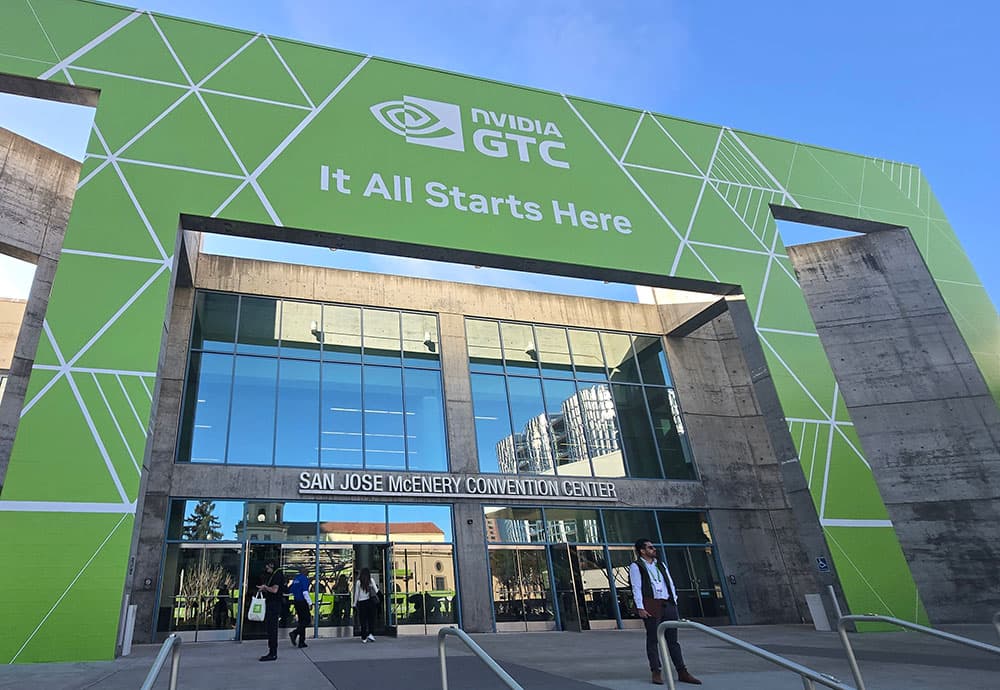
NVIDIA's GTC 2026 showcased robots moving beyond lab demos into real-world applications. With AI advancements and simulation tech, deployments are faster and more capable.
NVIDIA's GTC 2026 in San Jose pulled in over 30,000 attendees, eager to see how robots are transforming from experimental curiosities to practical solutions. With events sprawling across the San Jose Convention Center and nearby venues, the buzz was palpable.
Robots Stepping Up
This year, the spotlight was on robots doing real work, not just theoretical exercises. From deep bin-picking systems to humanoids that listened and responded to attendees, the focus shifted to tangible capabilities. Leo Ma from RoboForce summed it up: "You're looking at what value a robot provides, not just what it could do someday." Here's where it gets practical. The demonstrations weren't just flashy tech. they were proof that robots are getting ready for primetime.
AI Makes Deployment a Breeze
Artificial intelligence was the unmissable thread at GTC. It wasn't just chatter. it was action. Universal Robots teamed up with Generalist to whip up a phone-packing demo in mere days. That's rapid deployment, a far cry from the labor-intensive setups of the past. Pete Florence of Generalist emphasized this shift, noting that the speed to prepare new hardware demos is unprecedented. In production, this looks different. The quicker integration of AI into robotics isn't just a trend, it's a shift in how fast these systems can be deployed.
Simulation: From Concept to Reality
Simulation is no longer a step but a critical part of the robot lifecycle. At GTC, companies like ABB introduced tools to bridge the sim-to-real gap, something the industry has struggled with for years. Jenny Shern from NexCOBOT highlighted its role in handling chaotic, outdoor environments. The real test is always the edge cases, and simulation is key to navigating them before a robot even hits the real world.
As NVIDIA's CEO Jensen Huang pointed out, the labor shortages in sectors like manufacturing and trucking mean robots aren't just a luxury, they're a necessity. But here's the catch: while robots might fill gaps, the human touch in managing and optimizing these systems remains important.
Get AI news in your inbox
Daily digest of what matters in AI.