Normal Computing's $50M Bet on AI's Energy Crunch
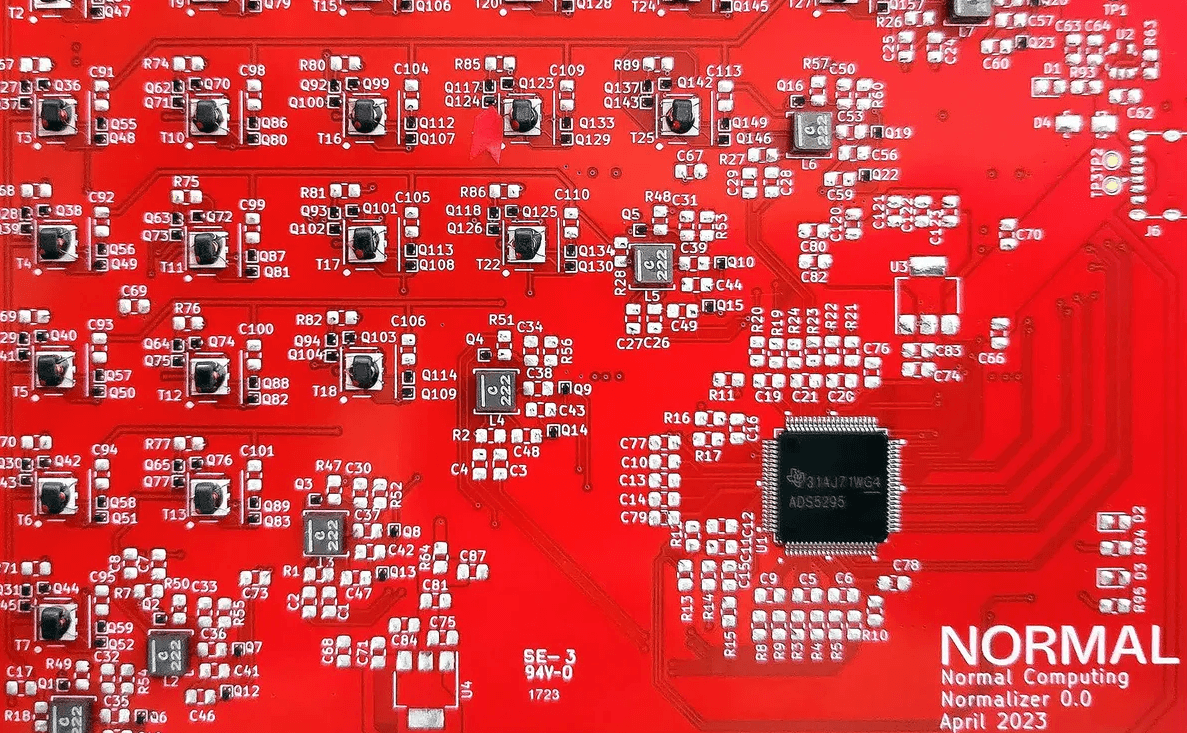
Normal Computing Corp., a bold startup, lands $50M to tackle AI's skyrocketing energy demands. With big names like Samsung Catalyst backing them, the stakes are high.
Normal Computing Corp. is on a mission to revolutionize how artificial intelligence operates, and they're not doing it quietly. With a fresh $50 million injection, led by Samsung Catalyst, they're ready to take on the growing energy demands of AI chips. This Series B round also includes players like Galvanize, Brevan Howard Macro Venture Fund, and ArcTern Ventures. Existing investors Celesta Capital and Drive Capital aren't sitting out either.
The Energy Dilemma
As AI technology advances, so does its appetite for energy. AI chips have become voracious consumers of power, raising both environmental and economical eyebrows. Normal Computing aims to tackle this head-on. But will they succeed where others have stumbled?
The startup's goal is to reshape the physics behind AI, potentially transforming how chips consume energy. If they pull this off, it could be a breakthrough for the industry, providing a much-needed solution to a problem that's only getting bigger.
Why You Should Care
So why should anyone outside of tech circles care about this? Because the energy crisis in AI isn't just a tech problem, it's a global one. As AI gets integrated into everything from healthcare to finance, the energy it consumes will impact us all. Think lower energy bills, less environmental impact, and a more sustainable tech industry.
Normal Computing is betting big that they can lead this change. But here's the real question: Is $50 million enough to solve one of AI's toughest challenges?
The Stakes Are High
With Samsung Catalyst and other heavyweights backing them, it's clear there's confidence in Normal Computing's vision. But confidence doesn't always translate to success. The tech world is littered with startups that had great ideas but couldn't make them work in practice.
The gap between the keynote and the cubicle is enormous, and Normal Computing will need more than just money to bridge it. They'll need innovation, execution, and perhaps a bit of luck. The press release said AI transformation. The employee survey said otherwise.
In the end, Normal Computing's journey will be one to watch. It's a bold move in a field that desperately needs it. Whether they succeed or not, their efforts could very well redefine the future of AI and its place in our world.
Get AI news in your inbox
Daily digest of what matters in AI.