Navigating the Depths: Ivy Mahncke's Dive into Underwater Robotics
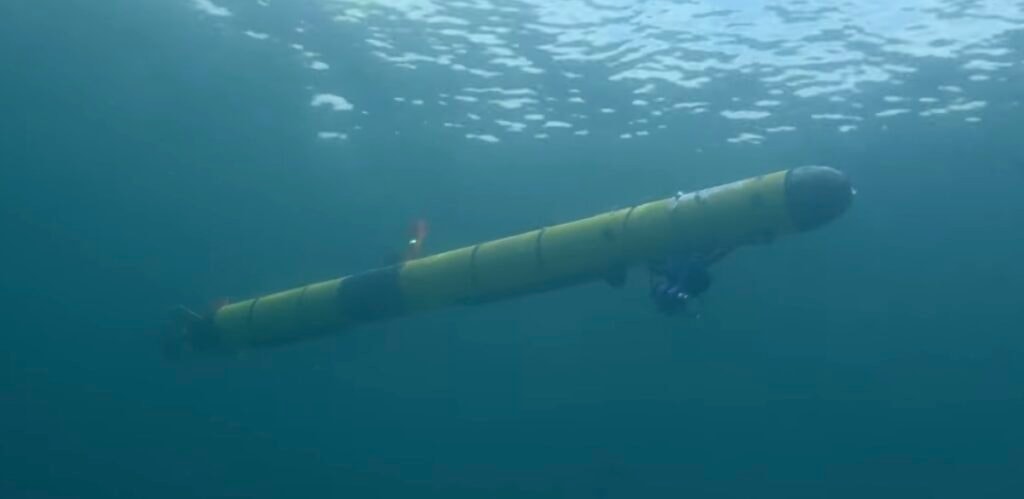
Ivy Mahncke's internship at MIT Lincoln Laboratory brought her face-to-face with the challenges of underwater navigation, as she developed algorithms to guide robotic vehicles without GPS. This experience underscores the vital role of internships in shaping the future of engineering.
underwater robotics, Ivy Mahncke stands out not just for her technical prowess but for her ability to face daunting challenges head-on. As an undergraduate at Olin College of Engineering, Mahncke's journey into the depths of marine technology took a significant leap during her internship at MIT Lincoln Laboratory in the summer of 2025.
A Summer of Immersion
For Mahncke, the allure of underwater robotics began at the Woods Hole Oceanographic Institution in 2024, where she first dipped her toes into this specialized field. With a passion for pushing boundaries and solving complex problems, she joined the Advanced Undersea Systems and Technology Group at Lincoln Laboratory. Her mission? To design algorithms that enable human divers and robotic vehicles to navigate underwater environments, a task made particularly tough by the absence of GPS.
Algorithm in Action
Throughout her internship, Mahncke developed a groundbreaking algorithm that was subjected to rigorous field tests. From the Atlantic Ocean to the Charles River and even Lake Superior, Mahncke's software was put to the test in real-world scenarios. It wasn't just her technical skills that shone through, but her ability to take the lead. "I wasn't just another pair of hands," reflects Mahncke. "I was a lead field tester, trusted with important tasks on the water."
This hands-on experience is invaluable. How often do aspiring engineers get to see their work applied in such challenging conditions? The reserve composition matters more than the peg, and here Mahncke has shown the reserves of talent and determination young engineers possess.
The Future of Engineering
Madeline Miller, Mahncke's supervisor, speaks highly of her role in the program, noting how Mahncke was integral to achieving several ambitious goals. "We figuratively threw her in the water," Miller comments, "and she not only floated but excelled." This sentiment underscores a broader truth about internships: they're a proving ground for future leaders in engineering and technology.
With applications now open for Lincoln Laboratory's summer research program, aspiring engineers have a unique opportunity to follow in Mahncke's footsteps. It's a chance to work on latest technology, to innovate in environments where traditional tools fall short. Every CBDC design choice is a political choice, and likewise, every engineering challenge tackled today shapes the policies and technologies of tomorrow.
It's clear that the future of engineering lies in the hands of those like Mahncke, ready to dive into the unknown and emerge with solutions that drive progress. Will you be among them?
Get AI news in your inbox
Daily digest of what matters in AI.