MIT’s AI-Powered Robot Builds Furniture From Just Your Words
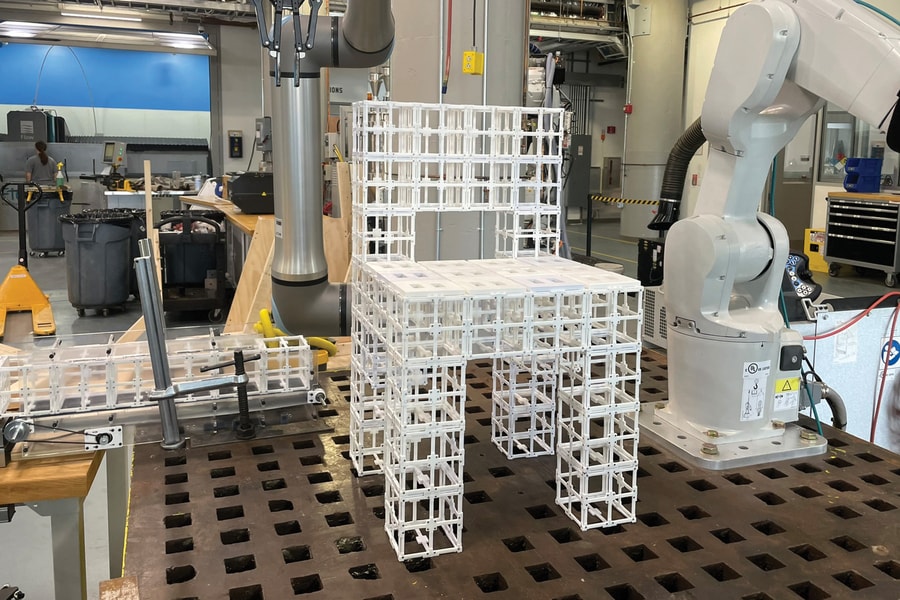
MIT researchers have developed an AI system that lets users design furniture with simple text prompts, revolutionizing rapid prototyping and reducing waste.
Imagine if you could just tell a robot, “Make me a chair,” and it builds one for you. That’s not sci-fi anymore. MIT researchers have been cooking up an AI-driven robotic assembly system that does just that. It’s all about making design fast and accessible to everyone, even if you can’t tell CAD from an iPad.
The Power of Words in Design
Here’s the thing. Computer-aided design has been the go-to for creating precise models of everything from coffee cups to skyscrapers. But it’s not exactly user-friendly. Enter MIT’s new system, which uses a generative AI model to take your words and turn them into 3D designs. Turn those designs into reality with prefabricated parts, and you’ve got something you can actually sit on.
Think of it this way: You describe a piece of furniture, the AI builds a 3D version, and a robot assembles it using pre-made parts. It’s a cycle that feeds on user feedback, refining designs until you’re happy with the result. And the bonus? The parts are reusable, so we’re talking less waste and more sustainability.
From Concept to Reality
This isn’t just a neat trick for making chairs. The team tested the system by having users design various pieces of furniture, like shelves and more. Over 90% of participants preferred AI-generated designs over other methods. When was the last time you got 90% of people to agree on anything?
What’s more, this isn’t just a tool for hobbyists. It could shake up industries like aerospace and architecture by making rapid prototyping a breeze. Imagine doing complex designs locally without waiting weeks for shipments.
Beyond Furniture
But hold on, there’s more. The team aims to enhance this system for even more complex designs. Imagine designing a glass and metal table or objects with gears and hinges. The sky's the limit. Here’s why this matters for everyone, not just researchers. This tech could democratize design, putting powerful tools in the hands of anyone with an idea. No more gatekeeping expertise.
Randall Davis, a senior author of the study, wants to lower the barriers to design. And honestly, who wouldn’t want to turn their wild ideas into tangible objects quickly and sustainably?
Get AI news in your inbox
Daily digest of what matters in AI.