Middle East Conflict: Inflation's New Best Friend
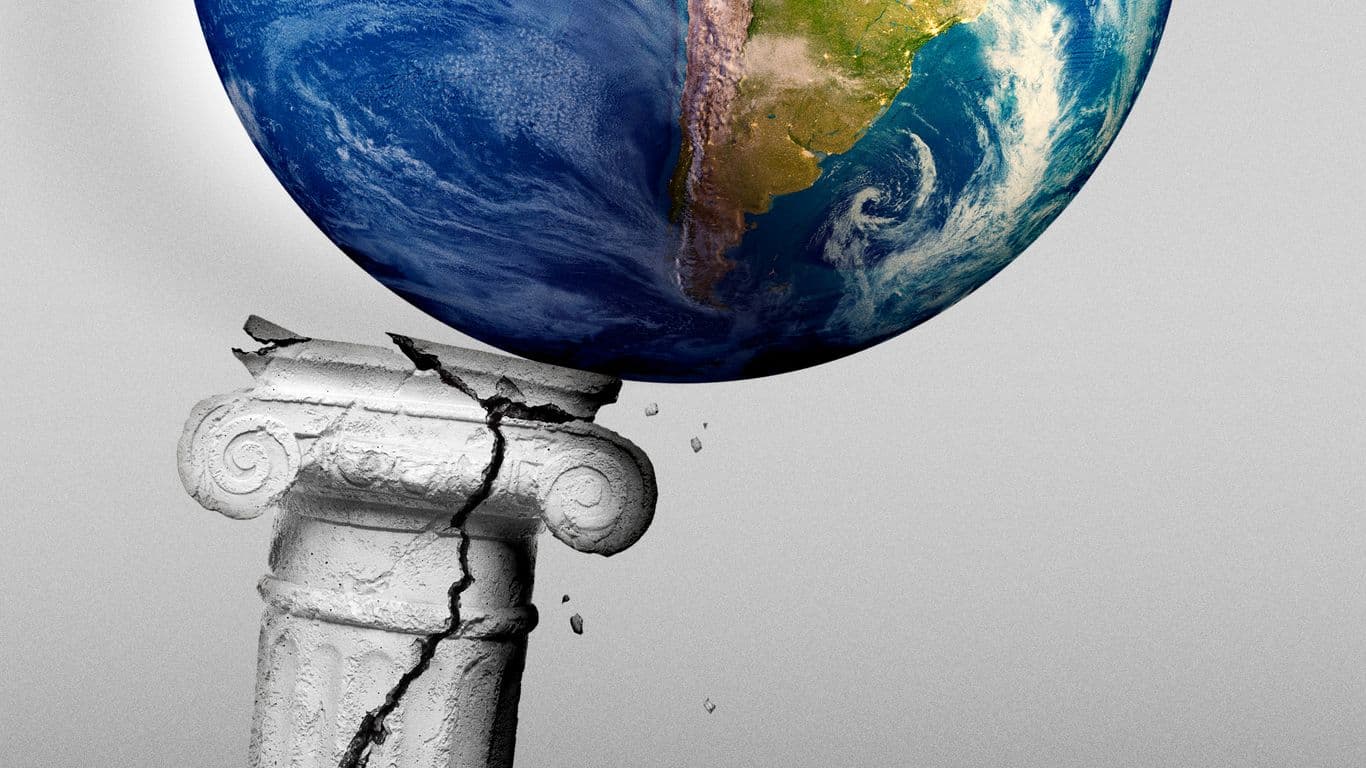
The Middle East conflict is doing more than shaking geopolitical stability. It's turning predictable inflation into a wild card, forcing central banks to reconsider their next moves.
The recent Middle East conflict isn't just a geopolitical mess, it's also throwing a wrench into the global economy. Remember those modest growth projections and stable inflation expectations? Consider them history. Now, we're staring down the barrel of spiking energy costs and soaring prices in the U.S.
Inflation's New Narrative
What once seemed like a manageable inflation story now looks like a central bank nightmare. They're stuck in a corner, either raising interest rates or holding off on further cuts, despite weakening growth. Oh, the irony.
With governments already drowning in debt, they might have to shell out even more to cushion the blow for households. That's not going to be pretty, is it?
OECD's Outlook
The OECD, that Paris-based policy group, has weighed in. They say the energy price surge from the Middle East conflict will up costs and lower demand. This offsets any positives from tech investments and lower tariffs. According to their latest report, U.S. headline inflation is projected at 4.2% for this year. That's a whole 1.2 percentage points higher than they thought back in December.
But here's the kicker: they expect those pressures to taper off by 2027. U.S. inflation could fall to 1.6%, which is actually lower than their last forecast. But who benefits from these assumptions? And what if they're wrong?
Global Ripple Effects
It's not just the U.S. The G20 is seeing an inflation bump too, projected at 4%. Yet, inflation outside the U.S. may not ease as quickly, sticking around longer and falling to just 2.7% next year.
Globally, the economy is expected to grow by 2.9% this year, which is unchanged from December. That's still a slowdown from 3.3% in 2025. But here's a bright spot: the U.S. might outperform with a 2% growth rate. That's 0.3 percentage points higher than previously expected. Still, energy price pressures are going to stick around, weighing on the economy in the short term.
What's Next?
The OECD's projections assume energy prices will behave according to market expectations, with moderation in oil, gas, and fertilizer prices mid-year. But what if that's too optimistic? Persistent disruptions in the Middle East could drive prices higher, inflating numbers and shrinking growth.
There's hope, though. If the Middle East conflict resolves quicker than expected, and if AI technology delivers unexpected productivity boons, we might just skate by better than predicted.
Get AI news in your inbox
Daily digest of what matters in AI.