Microsoft's In-House AI Models: A Strategic Shift from OpenAI
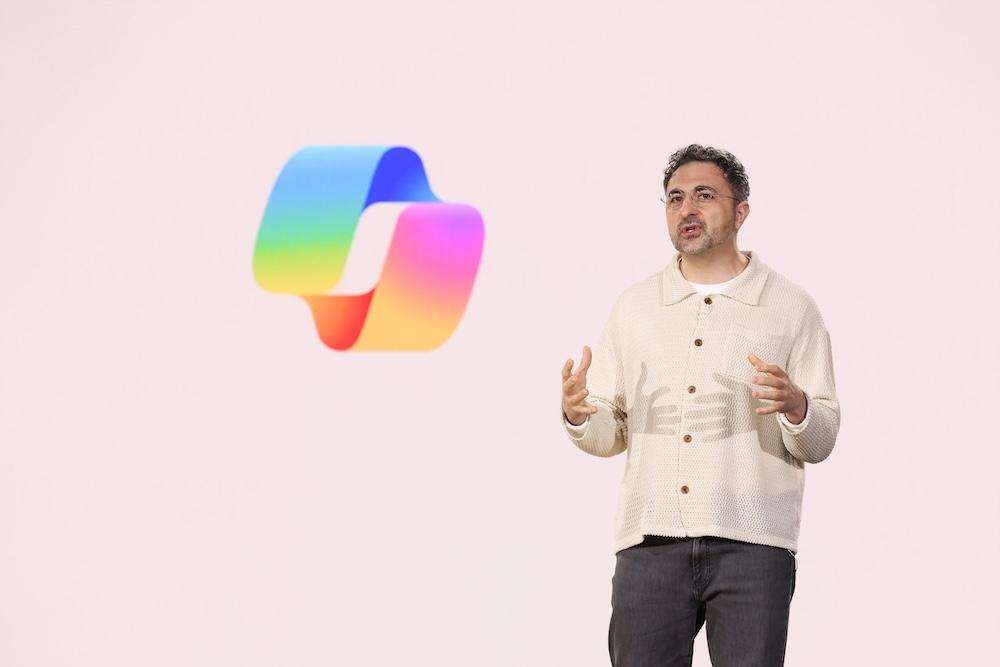
Microsoft introduces its own AI models for transcription, voice, and image generation, moving beyond its OpenAI dependency. This marks a significant shift in the AI landscape.
Microsoft has taken a bold step by launching three proprietary AI models under the Foundry initiative, focused on transcription, voice, and image generation. This move signals a strategic pivot, reducing Microsoft's reliance on OpenAI, while reinforcing its position in the competitive AI market.
Breaking Down the Models
The new models cover transcription, voice, and image generation. Each model aims to enhance Microsoft's capabilities in areas where AI applications are rapidly evolving. Given the increasing demand for more sophisticated digital assistants and creative tools, these models could prove vital in maintaining Microsoft's competitive edge.
Microsoft's decision to develop in-house models isn't just about independence. It's about control and customization. By tailoring AI technologies to their specific needs, Microsoft can potentially deliver superior user experiences. After all, if agents have wallets, who holds the keys?
Why This Matters
The AI-AI Venn diagram is getting thicker. As tech giants like Microsoft make these moves, the convergence of AI technologies becomes more pronounced. This isn't a partnership announcement. It's a convergence that reflects a broader trend, companies are seeking to own their AI stacks to better serve their ecosystems. It's a logical step in a market that's always hungry for innovation.
Redefining its AI strategy, Microsoft isn't just hedging its bets. It's setting the stage for a more self-reliant future. If successful, it'll influence how tech companies approach their AI development, pushing them to build more autonomous systems.
The Bigger Picture
Microsoft's Foundry initiative could redefine the AI infrastructure landscape. The compute layer needs a payment rail, and by establishing its own models, Microsoft is laying down the plumbing for future growth. While OpenAI remains a major player, Microsoft's pivot illustrates an industry shift towards more localized AI ecosystems.
Will this move catalyze a wave of similar strategies across the tech sector? It's a question that might reshape how we perceive AI ownership and autonomy. As AI continues to integrate into every aspect of tech, the race to control its narrative is only just beginning.
Get AI news in your inbox
Daily digest of what matters in AI.