Microsoft's AI Gambit: Cutting Ties with Claude Code for Copilot
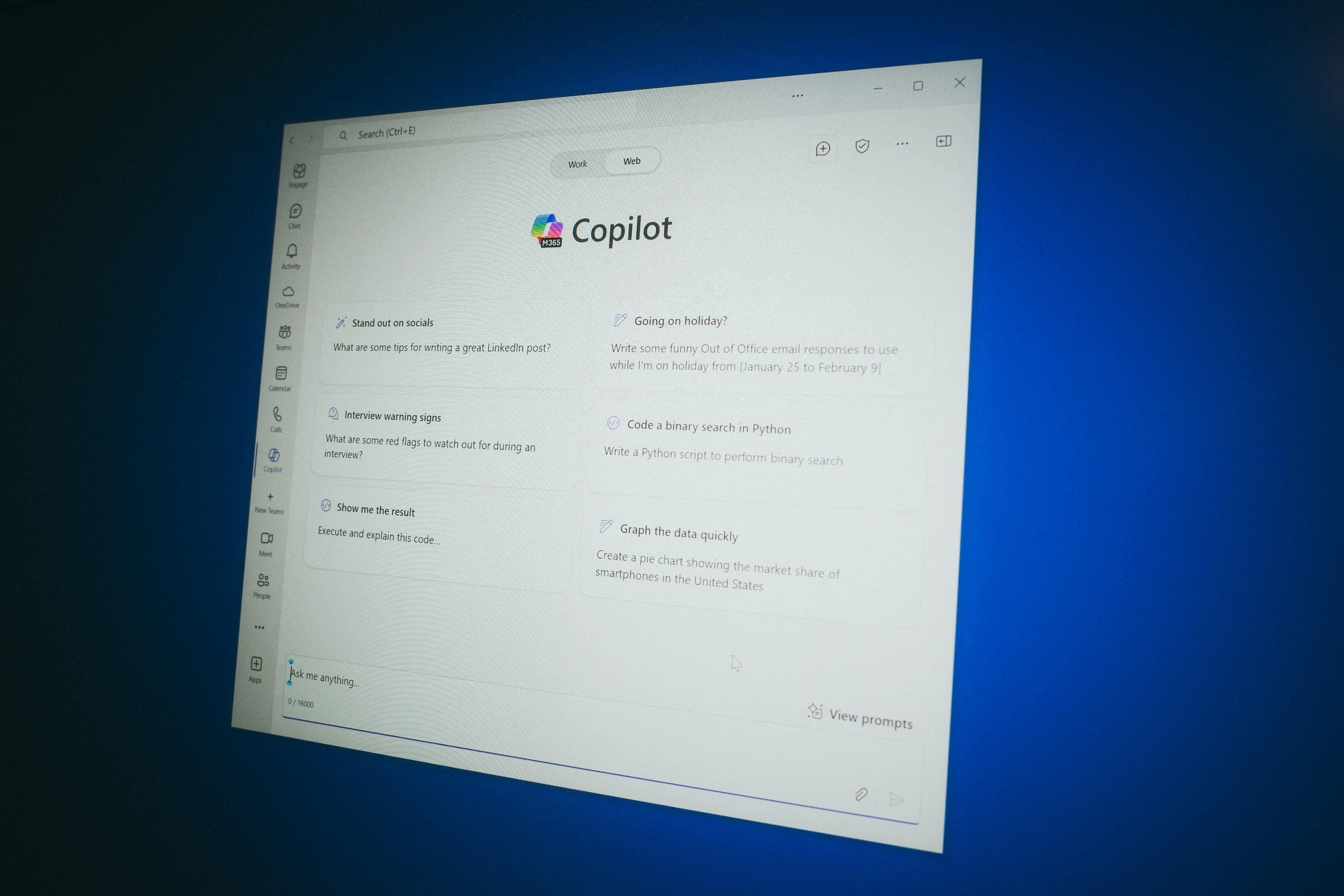
Microsoft ditches Claude Code licenses, favoring its in-house Copilot AI model. This move spotlights its ambition for AI autonomy and market influence.
Microsoft's recent decision to terminate Claude Code licenses and transition developers to its proprietary Copilot model marks a bold step towards AI independence. This move signals more than just a shift in strategy. It's a declaration that Microsoft isn't just playing in the AI sandbox. It's building its own.
Why Copilot?
Copilot isn't just another AI model in the crowd. It's Microsoft's brainchild, designed to integrate seamlessly with their expansive suite of products. By cutting ties with Claude Code, Microsoft effectively centralizes its AI efforts, reducing dependency on external models. It's a play for control but also a move to speed up AI development under one roof. If the AI can hold a wallet, who writes the risk model? Microsoft wants that to be them.
AI Self-Sufficiency
What does this mean for developers and the wider AI community? For one, Microsoft's pivot underscores the tech giant's aim for AI self-sufficiency. Slapping a model on a GPU rental isn't a convergence thesis. By owning the tech stack from end to end, Microsoft can innovate at a pace dictated by its own goals, not those of a third-party provider. It places them in a stronger position to take advantage of AI advances in-house, while also potentially lowering inference costs by eliminating middlemen.
Implications for the Market
Market players should take note. Microsoft's move could ripple across the industry, prompting others to reevaluate their reliance on third-party AI providers. Especially for companies with the scale and resources to develop in-house AI models, this could be the beginning of a broader trend towards AI autonomy. But it's not just about isolation. How does this affect the compute marketplaces? Decentralized compute sounds great until you benchmark the latency. This move might push others to reconsider the efficiency and scalability of their current AI infrastructures.
A Sign of Things to Come?
Is Microsoft's decision a precursor to a larger industry shift? It just might be. While ninety percent of AI-AI projects aren't real, the ones that are could reshape entire markets. By consolidating AI efforts with Copilot, Microsoft is betting on its ability to lead rather than follow. The question isn't whether others will follow suit, but when. Show me the inference costs. Then we'll talk.
Microsoft's shift away from Claude Code is more than a technical adjustment. It's a strategic maneuver aimed at redefining its position in the AI landscape. For those watching the AI sector, one thing is clear: the intersection is real, and Microsoft wants to own it.
Get AI news in your inbox
Daily digest of what matters in AI.