Microrobots at the University of Essex: Tiny Tech with Big Impact
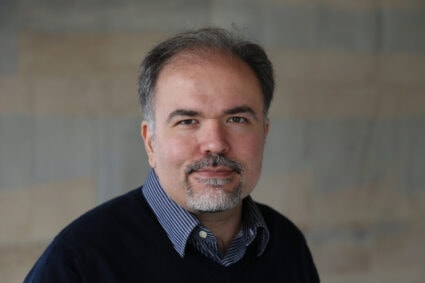
Ali Hoshiar at the University of Essex is pioneering microrobotics for medical and agricultural applications. His work emphasizes collaboration among these tiny machines, aiming to revolutionize sectors without replacing human labor.
Ali K. Hoshiar from the University of Essex has a vision for microrobots that could redefine technology in agriculture and healthcare. A Senior Lecturer in Robotics, Hoshiar isn't just about building robots. He's leading the charge in how these machines work together and apply their skills in real-world situations.
Microrobots: Small Wonders
At the helm of the Robotics for Under Millimetre Innovation (RUMI) Lab, Hoshiar's work isn't about making robots just for the sake of it. It's about making them work together and how they can transform industries. The ‘In-Target’ project, funded by the EPSRC, is one of his flagship initiatives. It focuses on the precise deployment of these microrobots, ensuring they can effectively function in environments as diverse as human bodies and open fields.
When you think of robots, you might imagine them in factories or performing complex surgeries. But Hoshiar's approach is different. This isn't about replacing workers. It's about reach. It’s about making tasks possible that previously weren't feasible due to size and cost constraints. The story looks different from Nairobi, where such technology could mean scaling farming operations without displacing the workforce.
Medical and Agricultural Applications
The medical sector is buzzing with potential. Imagine a swarm of microrobots performing intricate procedures in places where traditional tools can't go. That's not science fiction. It's a goal that's within reach thanks to Hoshiar's research. But he doesn't stop at healthcare. Agricultural applications are equally promising. In regions where smallholder farms dominate, microrobots can transform productivity without the high costs of large machinery.
However, there's a big question. Will these advancements be affordable and accessible to those who need them most? Silicon Valley designs it. The question is where it works. Hoshiar, with his MBA, brings strategic and commercial insight, aiming to bridge the gap between innovation and real-world application.
Why It Matters
In many parts of the world, automation doesn't mean the same thing everywhere. It's not about cutting jobs but about extending possibilities. The farmer I spoke with put it simply: these advancements could help him expand his farm's reach and output without losing the personal touch his business thrives on. Microrobots are set to play turning point roles, not in replacing human effort, but in enhancing it.
The future Hoshiar envisions is collaborative. It's a future where humans and microrobots work hand-in-hand. Is this the next big leap in technology?, but if Hoshiar's work is any indication, the potential is massive.
Get AI news in your inbox
Daily digest of what matters in AI.