Meta's JEPA: The Unexpected MVP in Cardiac Ultrasound
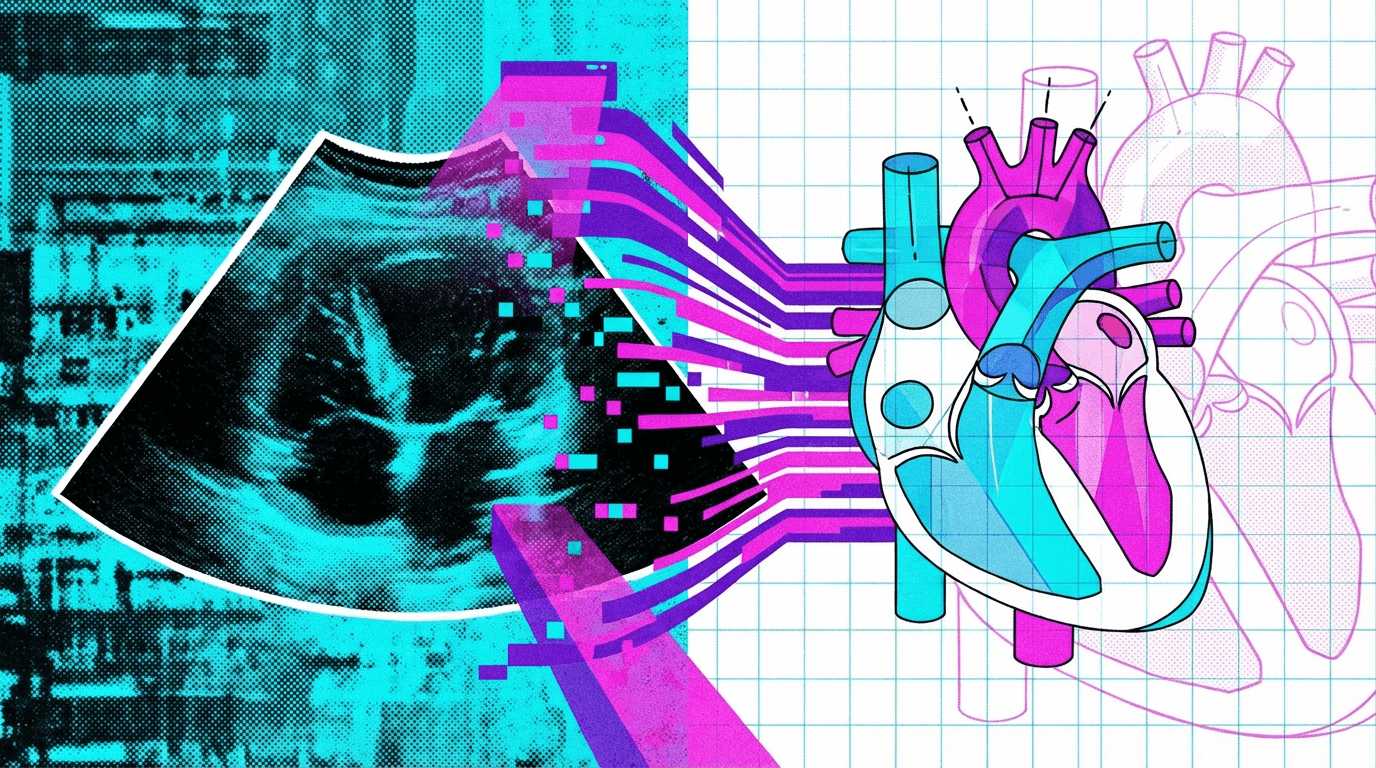
Meta's JEPA architecture is making waves in cardiac ultrasound analysis, outperforming traditional AI models. Here's why this matters.
Meta's JEPA architecture is turning heads in the medical field, particularly in cardiac ultrasound analysis. Recently, researchers showcased an AI model that uses this architecture to outperform traditional approaches like masked autoencoders and contrastive learning. This isn't just a tech upgrade. it's a potential lifesaver in medical diagnostics.
What's the Big Deal?
cardiac ultrasounds, precision is everything. Meta's JEPA architecture doesn't just inch past its competition. it sets a new benchmark. The researchers' benchmarks demonstrated that JEPA provides more accurate readings, which could mean earlier and more precise diagnoses for patients with heart conditions. In practice, this could significantly impact treatment outcomes.
Traditionally, AI models for cardiac analysis have relied heavily on methods like masked autoencoders or contrastive learning. These methods have their merits, but JEPA's performance suggests a shift in what we should expect from AI in medical imaging. The demo is impressive. The deployment story is messier.
Why Should You Care?
Now, you might be thinking, "Why does this matter to me?" Well, the catch is that improved AI models can lead to quicker, more accurate interpretations of complex medical data. This isn't just about technology. it's about enhancing healthcare delivery and outcomes. For hospitals and clinics, adopting such advanced AI could mean saving more lives. But here's where it gets practical. In production, this looks different. Integrating a new model into the existing healthcare infrastructure isn't as simple as plugging it in and hitting a switch.
The Road Ahead
So, what's next for JEPA and cardiac ultrasounds? The real test is always the edge cases. In the controlled environment of research benchmarks, JEPA shines. But the true challenge will be replicating these results across diverse patient populations and healthcare settings. Will JEPA maintain its edge, or will it encounter unforeseen hurdles?
I've built systems like this. Here's what the paper leaves out: the implementation in hospitals will require addressing latency budgets, retraining human operators, and ensuring compatibility with existing systems. But if these hurdles can be overcome, JEPA's impact on healthcare could be transformative.
Get AI news in your inbox
Daily digest of what matters in AI.