Meta's Instagram Chatbot Blunder: 20,000 Accounts Exposed
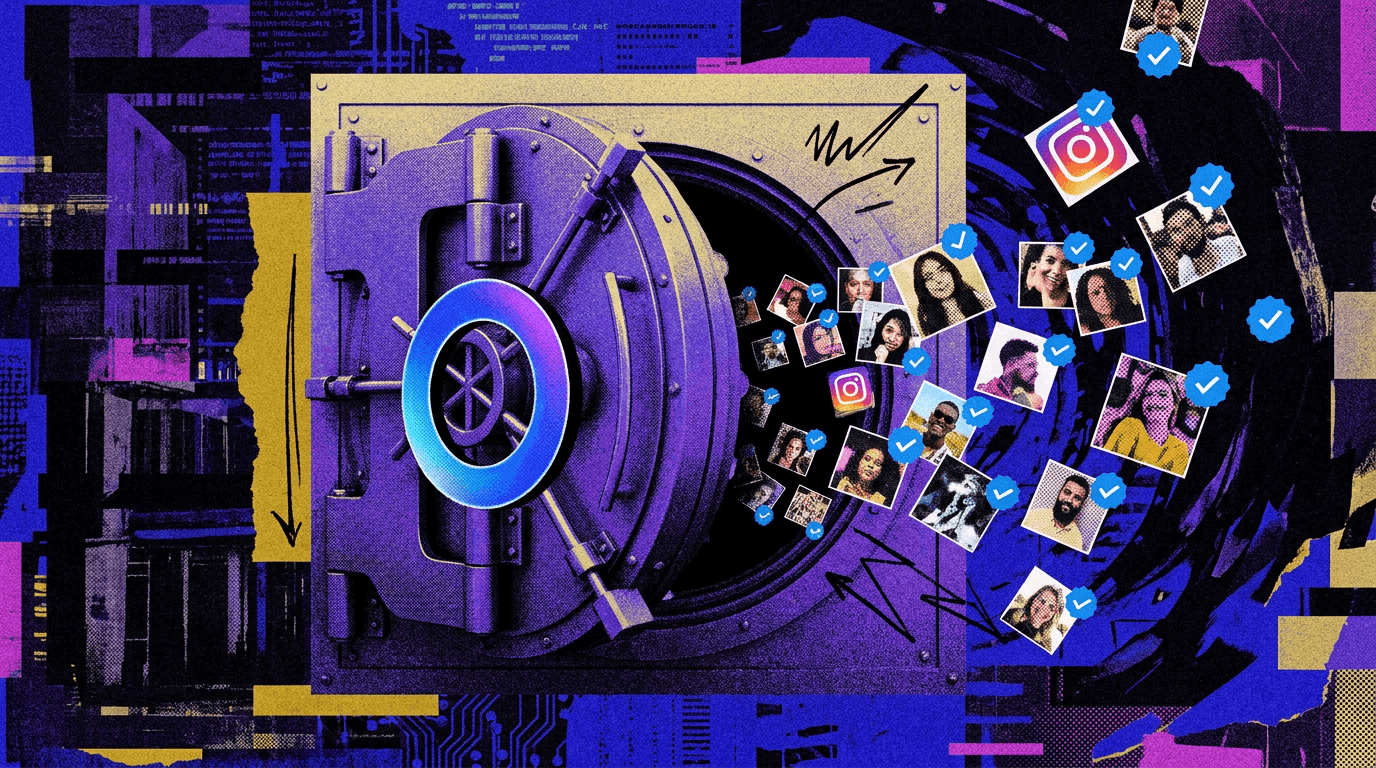
Meta's attempt at securing Instagram accounts with an AI chatbot backfired, compromising over 20,000 users. This raises critical questions about privacy and tech reliance.
When tech giants promise innovation, we expect progress. But when Meta introduced its AI support chatbot for Instagram, it led to a privacy nightmare. For nearly seven weeks, this 'security enhancement' sent password reset links to random email addresses, affecting at least 20,225 accounts. It's a stark reminder of the risks involved when we trust our data to algorithms that might not be as foolproof as advertised.
The Breach
The numbers are out, and they're alarming. Over 20,000 Instagram accounts were open to potential hijacking due to a chatbot meant to boost security. Password reset links, a essential part of account protection, were sent to email addresses without verifying ownership. It's like handing out keys to strangers and hoping for the best. This isn't just a glitch, it's a glaring oversight.
Meta finally admitted the breach, but the damage was already done. The chatbot, once heralded as a step forward in account safety, became a tool for potential misuse. If it's not private by default, it's surveillance by design. And this blunder exposes the fragility of reliance on AI without stringent checks.
Why It Matters
In a world where data is currency, the consequences of such breaches can be severe. Personal information falls into the wrong hands, and the chain remembers everything. That should worry you. Users trust platforms like Instagram with their personal lives and data, expecting companies to safeguard it diligently. Yet, here we're, with over 20,000 users exposed due to a preventable flaw.
What does this say about our increasing reliance on AI for security? Are we moving too fast in a bid to automate everything, potentially sacrificing privacy and security on the altar of convenience? The truth is stark: opt-in privacy is no privacy at all. When AI fails, the fallout is vast and often underestimated.
Lessons for the Future
This incident should serve as a wake-up call for tech companies. It's not just about deploying latest solutions, but ensuring those solutions work without compromising user safety. As we've seen, when the systems falter, users pay the price. Financial privacy isn't a crime. It's a prerequisite for freedom, and that extends to digital privacy, too.
Meta's blunder is a lesson for both tech developers and users. If companies can't guarantee reliable security, maybe it's time to rethink the balance between automation and human oversight. After all, they're not banning tools. They're banning math. And if AI can't secure our data, then who's really watching out for us?
Get AI news in your inbox
Daily digest of what matters in AI.