Meta's Hyperagents: AI That Learns to Learn
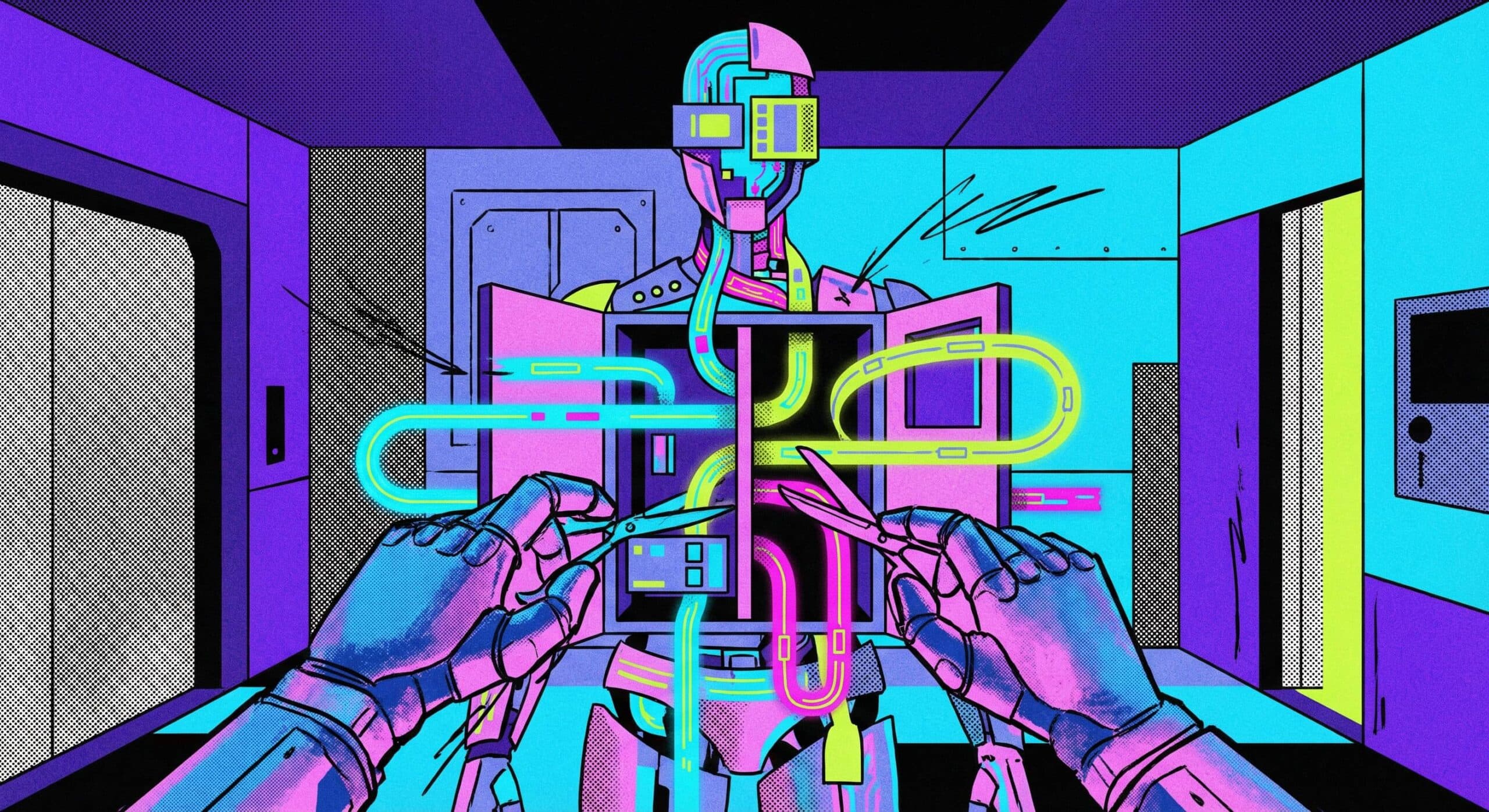
Meta and top universities introduce 'hyperagents,' AI systems enhancing their own learning methods. This innovation could lead to self-accelerating AI across various domains.
Meta, in collaboration with several leading universities, has unveiled a new frontier in artificial intelligence: hyperagents. These AI systems mark a departure from traditional task-solving mechanisms. They not only tackle assigned tasks but also focus on optimizing the strategies they employ to enhance their learning process. This dual capability could potentially usher in an era of self-accelerating AI.
The Mechanism Behind Hyperagents
Hyperagents function by continuously refining their approach to problem-solving. Rather than adhering to a static algorithm, these systems adapt dynamically, iterating on their own methods to achieve improvements. This adaptability isn't limited to a specific domain, suggesting broad applicability across various fields. The promise is clear: as hyperagents get better at what they do, they simultaneously become more efficient in enhancing their capabilities.
Why It Matters
This development begs the question: Are we on the brink of AI that autonomously evolves its own intelligence? The implications of such a shift can't be understated. If AI can improve itself without human intervention, it could lead to exponential advancements in technology, affecting industries from healthcare to logistics. Developers should note the potential for these systems to surpass current AI capabilities, making them a significant area of focus for future research and application.
Potential and Challenges
While the promise of hyperagents is enticing, it also introduces challenges. How do we ensure that self-improving AI aligns with human values and safety standards? The specification is as follows: maintaining control over AI development requires rigorous protocols and oversight. As these systems evolve, so too must our frameworks for governance and ethical considerations.
, Meta's introduction of hyperagents represents a significant leap in AI development. The potential for AI to autonomously optimize its learning processes could lead to unprecedented advancements. The real question, however, remains: How will society manage and harness this powerful technology responsibly?
Get AI news in your inbox
Daily digest of what matters in AI.