Meta's AI Model Reads Your Brain Better Than a Scan
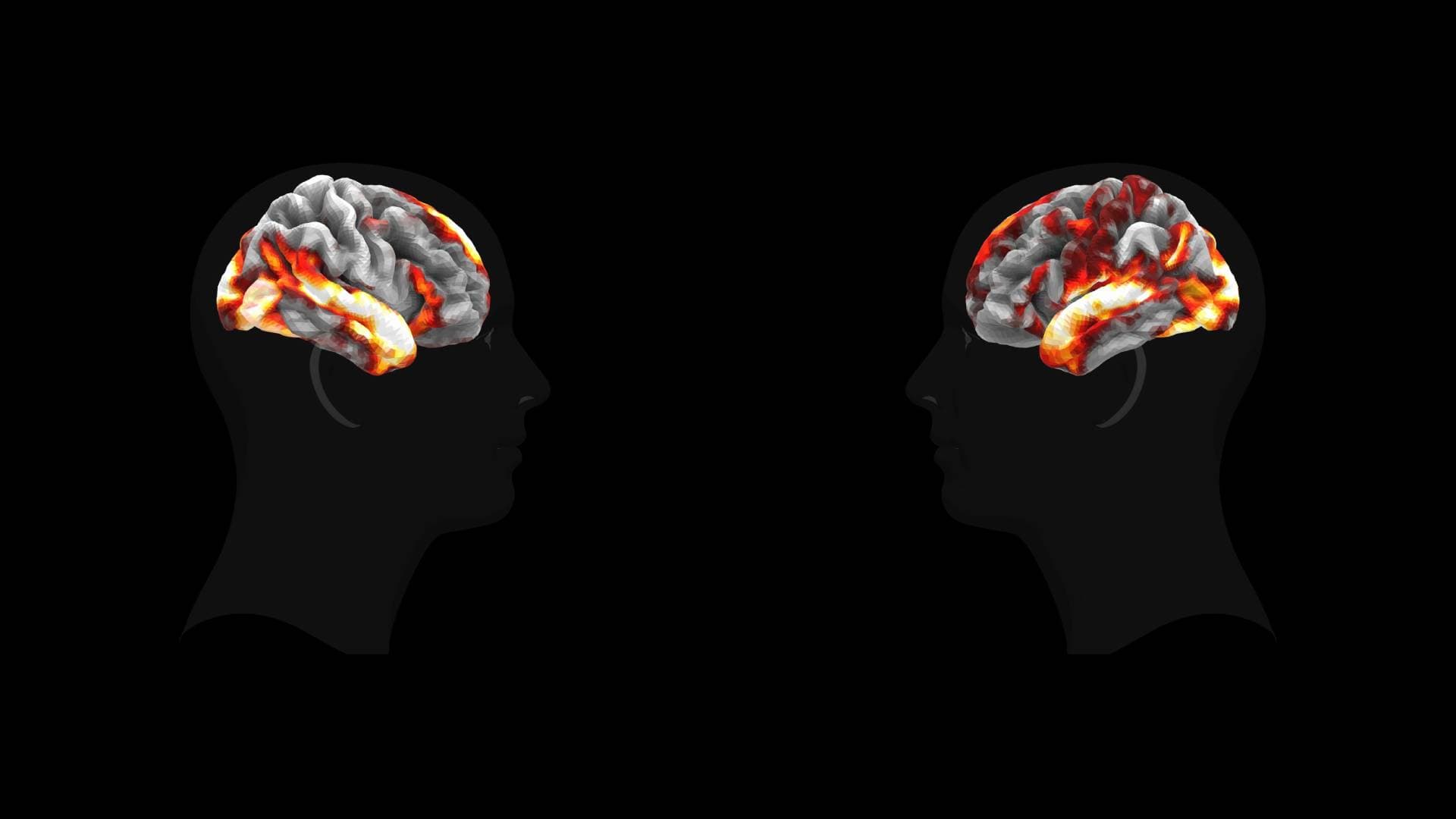
Meta's new AI model predicts how your brain responds to images, sounds, and speech. It's outpacing traditional brain scans, raising questions about privacy and ethics.
Meta's latest AI venture is turning heads by getting inside ours. They've developed a model that predicts how our brains react to images, sounds, and speech. And here's the kicker: it's reportedly better at this than actual brain scans of individuals. That should make you sit up and pay attention.
AI vs. Brain Scans
Let's break this down. Traditional brain scans like MRIs and EEGs have been the gold standard for understanding neural responses. But Meta's AI is challenging that crown with predictions that align more closely with typical brain reactions. It's like having a crystal ball that sees your neuron firings.
But how accurate are we talking? According to Meta, this model's predictions are sharper than any scan from a single person. While that sounds impressive, it also raises a slew of questions. If AI can predict brain activity better than scans, what does this mean for neuroscience? And more importantly, what does it mean for the rest of us?
The Privacy Puzzle
Sure, it sounds like a breakthrough. But it also ticks the box for privacy concerns. How much do you want a tech company knowing about the inner workings of your brain? The press release said AI transformation. The employee survey said otherwise. But in this case, it's society as a whole that should be concerned.
AI predicting brain reactions could have applications in healthcare, enhancing diagnoses and treatments. Yet, there's a darker side. Think about how such tech could be misused for surveillance or manipulation. We're treading into mind-reading territory here, and that should give us pause.
What's Next?
Meta's dive into AI-driven neuroscience isn't just a curiosity. It's a potential breakthrough that might redefine how we understand and interact with technology. But the gap between potential benefits and ethical pitfalls is enormous.
I talked to the people who actually use these tools. There's excitement, sure, but also hesitation. As with any powerful technology, the key will be in how it's wielded. Will it enhance human experience or exploit it? Only time, and careful regulation, will tell.
So, should you care about Meta's brain-predicting AI? Absolutely. Because whether you're an AI enthusiast or a privacy advocate, this development is going to affect you in one way or another. And not just how you think about technology, but maybe how you think, period.
Get AI news in your inbox
Daily digest of what matters in AI.