Meta Faces Backlash Over Unblockable AI Chatbot
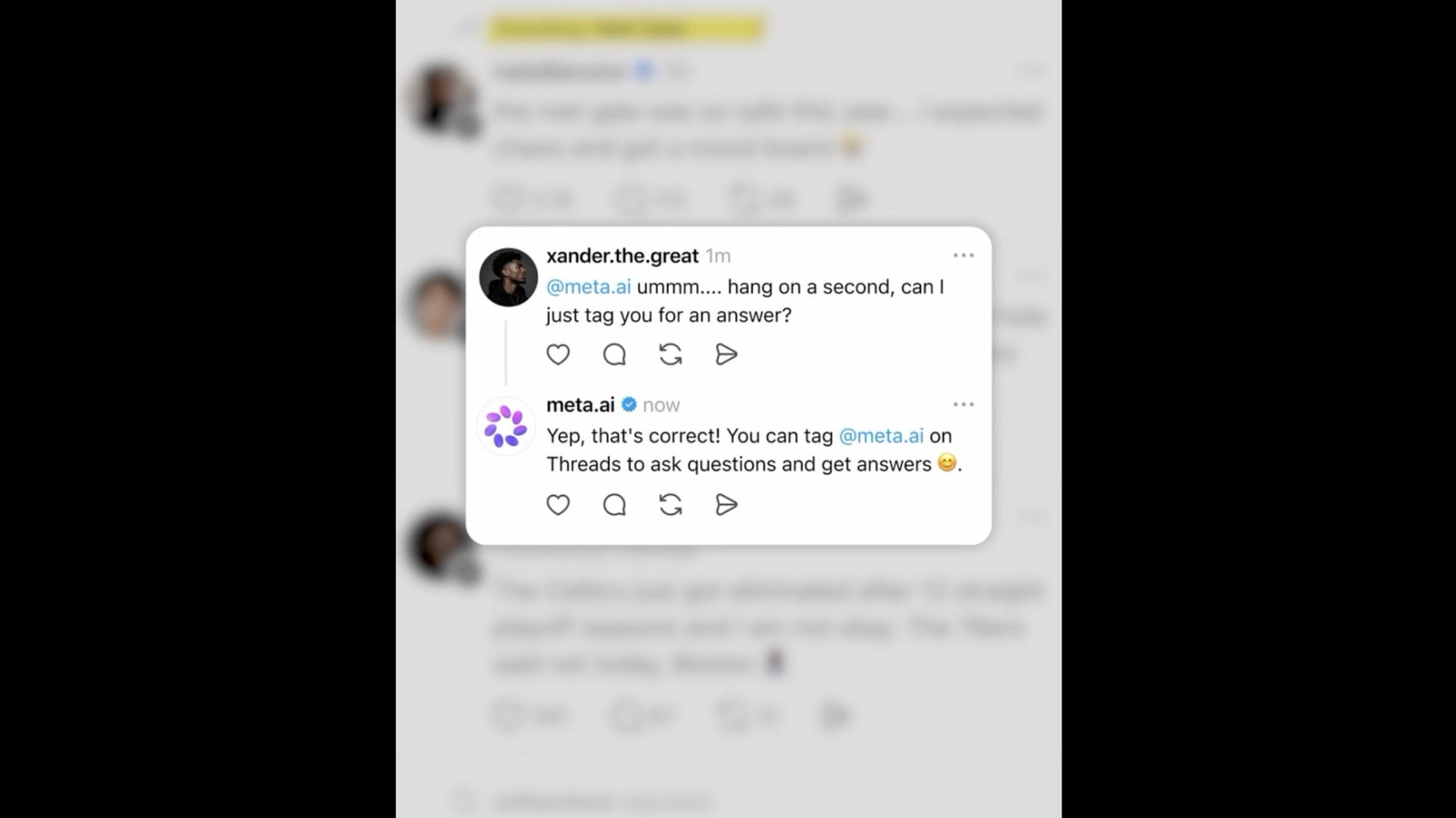
Meta didn't anticipate the backlash from users unable to block its new AI chatbot. The situation highlights a glaring oversight in user control.
Meta's latest AI chatbot is trending for all the wrong reasons. Users are frustrated and taking to forums to voice their annoyance. The crux of the problem? Meta's chatbot is unblockable, leaving users feeling stuck in unwanted conversations.
User Control or Lack Thereof
AI is supposed to make our lives easier, yet Meta's new release seems to do the opposite, sparking a backlash that's hard to ignore. The absence of a simple block feature reveals a concerning disregard for user autonomy. In a digital age where control is king, Meta's oversight feels like a rookie mistake.
The topic has quickly become the most discussed on various platforms, a testament to how deeply users value personal choice. If an AI can engage you indefinitely without consent, what's next? Will we see more examples of mandatory engagement?
Trust: Earned or Assumed?
This fiasco raises questions about trust in AI development. If users can't block a chatbot, what does that say about Meta's priorities? It's a misstep that erodes confidence in their tech. Tech companies should focus on empowering users, not boxing them into unpleasant interactions.
Meta's reputation bears the brunt of this controversy, reminding us how quickly public favor can shift. In AI, user trust isn't a given. It's earned through thoughtful design and respectful engagement. Dropping the ball on such a fundamental user feature is a sign that Meta might be more focused on novelty than usability.
The Bigger Picture
Beyond individual complaints, this incident reflects a broader issue with AI governance. Companies like Meta need to balance innovation with user rights. If the AI can hold a wallet, who writes the risk model? This isn't just about a chatbot. It's about setting precedents for future AI-human interactions.
Meta will likely face pressure to revise its approach. Until then, users are left wondering why they were left out of the conversation about their own digital experiences. The intersection is real. Ninety percent of the projects aren't, and Meta's latest blunder shows just how far there's to go.
Get AI news in your inbox
Daily digest of what matters in AI.