Mastering Software Deployment: Choosing the Right Strategy
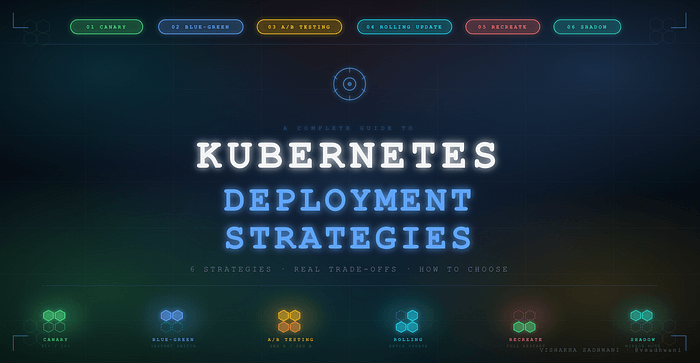
Deploying software safely requires more than just pushing code. It's about selecting the appropriate strategy to minimize risk and ensure stability.
Deploying new software isn't just about sending code into the wild. it's about how safely and deliberately you release it. The art lies not in deployment itself but in how you manage the process to mitigate risks. Kubernetes offers powerful tools, yet the strategy you employ is critical. Choose poorly, and you might face outages, lengthy debugging sessions, or a disapproving CFO. So, let's examine the key strategies, complete with their trade-offs.
Canary Deployment
Canary deployments allow you to test new versions with real users before a full rollout. By gradually routing a small percentage of traffic, say 20%, to the new version, you can observe its performance under real conditions. Meanwhile, most users remain on the stable version. This approach minimizes risk by exposing only a fraction of your user base to potential issues. It's like dipping your toes in the water before diving in.
Blue-Green Deployment
This strategy involves maintaining two identical environments: Blue (current) and Green (new). Once the new version is validated in Green, all traffic switches with a single update. If something goes awry, you can instantly revert to Blue. However, this comes at the cost of running duplicate environments. Is the infrastructure cost worth the peace of mind? For many, the answer is a resounding yes.
A/B Testing
When experimenting with new features or UI changes, A/B testing is your ally. By splitting traffic between versions based on segments like user type or geography, you collect data to determine which version performs better. This strategy lets data, not opinions, guide your decisions. Isn't it time we trust the numbers?
Rolling Update
Kubernetes' default deployment strategy, and for good reason, is the rolling update. It gradually replaces old pods with new ones, offering zero downtime with minimal configuration. It's the safest bet for most stateless services. The real estate industry moves in decades. Kubernetes wants to move in blocks.
Recreate and Shadow Deployment
For applications that can't run two versions simultaneously, the recreate strategy involves shutting down all old pods before starting anew. It's straightforward but requires accepting downtime. Alternatively, shadow deployments mirror real traffic to the new version without affecting users. It’s a way to test under real loads without user-facing risks.
Choosing the right deployment strategy isn't about finding a universal best but matching the method to your application's needs and your team's capacity for risk. Starting out? Rolling Update is your friend. Need instant rollback? Opt for Blue-Green. High-risk changes? Consider Canary or Shadow. Remember, the compliance layer is where most of these platforms will live or die.
In the end, the strategy you choose could define your success. Isn't it time to have that conversation before your next release?
Get AI news in your inbox
Daily digest of what matters in AI.