Looms, Datacenters, and the Looming Threat of AI-Driven Frustration
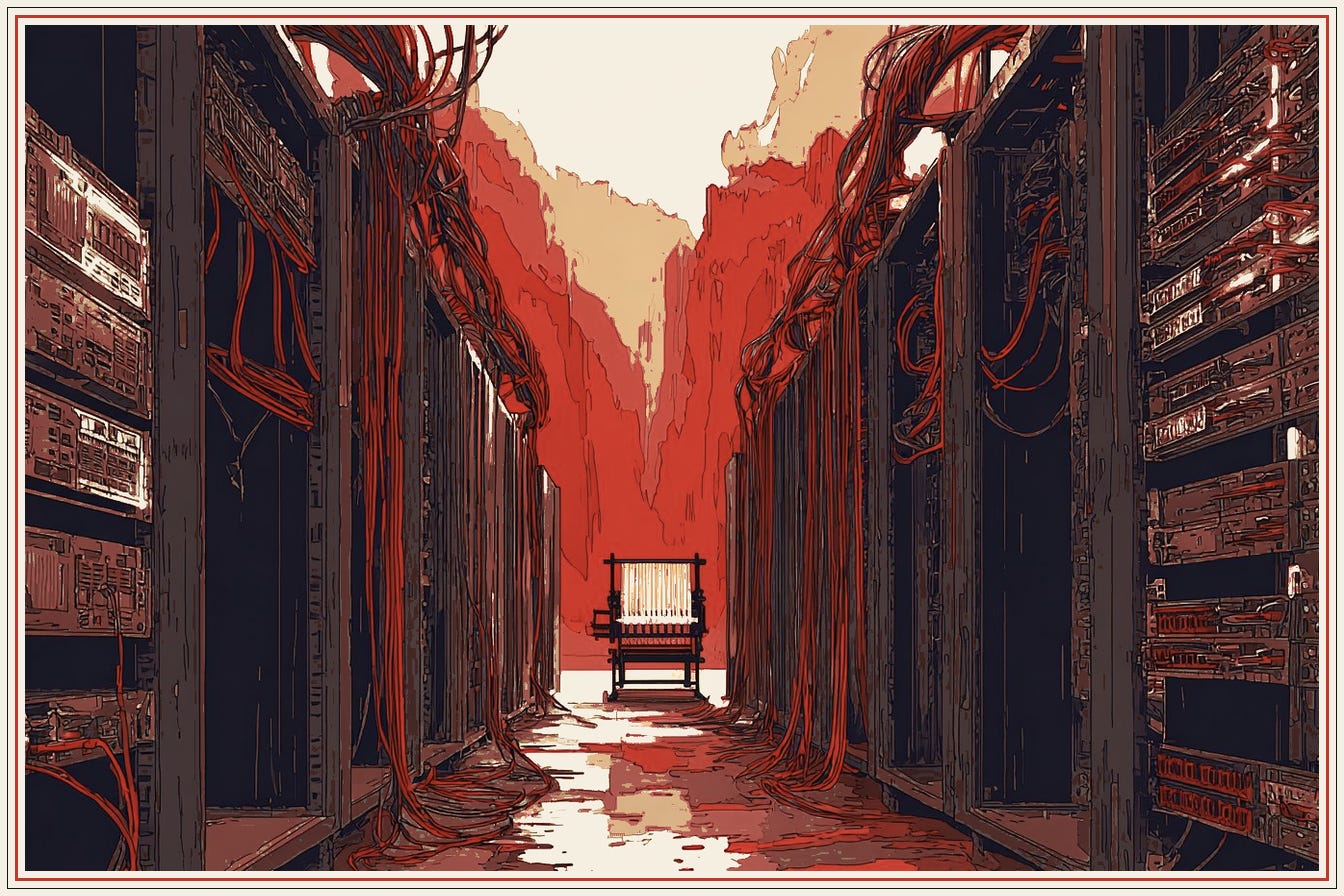
The clash between humans and technology is escalating, with history echoing through modern incidents. As AI becomes a scapegoat, the tension grows. Can society navigate this technological upheaval without resorting to violence?
In 1812, William Horsfall, a mill owner in the UK, met his end at the hands of a Luddite. The feud between humans and machines was palpable, driven by fear of displacement. Fast forward to 2026, and history seems to be rhyming. Samuel Altman, a prominent figure in the AI world, narrowly escaped harm when his house was targeted in San Francisco. The motives echo those of the past, fear and frustration over perceived threats to livelihoods.
The Rise of Modern-Day Luddites
The Luddites of yesteryear smashed looms in protest of mechanization. Today, the targets are datacenters, symbolic of AI's encroachment on human roles. Recent incidents, like shots fired at Indianapolis councilman Ron Gibson's home, underscore a growing trend. His support of a datacenter project was enough to spark outrage, evidenced by a chilling message: "NO DATA CENTERS."
These acts of violence, while condemnable, highlight a deeper societal issue. People feel threatened by AI's potential to disrupt their lives. The question now is whether we can address these fears constructively before they spiral into widespread chaos.
The AI Industry's Self-Inflicted Wounds
AI leaders like Amodei and Altman openly discuss the challenges their technology poses. This transparency, intended to foster understanding, often comes across as tone-deaf. It's as if they're unaware of how their words might be perceived by those fearing job loss or societal upheaval. According to two people familiar with the negotiations, this lack of self-awareness is a missed opportunity to build trust.
As AI becomes a convenient scapegoat for societal woes, it's essential for industry leaders to rethink their messaging. They must pivot from highlighting disruptions to focusing on solutions that include everyone in the future economy. Spokespeople didn't immediately respond to a request for comment, but it's clear that the calculus must change.
Navigating the Technological Transition
Reading the legislative tea leaves, the path forward requires a balance between innovation and human impact. Society must ensure a safe transition as AI integrates into daily life. Without empathy and proactive measures, we risk a future where desperation leads to violence.
The stakes are high. Will we heed the lessons of history, or are we doomed to repeat them? As technology continues to evolve, our approach to integrating it must evolve as well. The bill still faces headwinds in committee, but progress is possible if we address the fault lines responsibly.
Get AI news in your inbox
Daily digest of what matters in AI.