Jensen Huang: PC Cores Are for AI, Not Just Humans
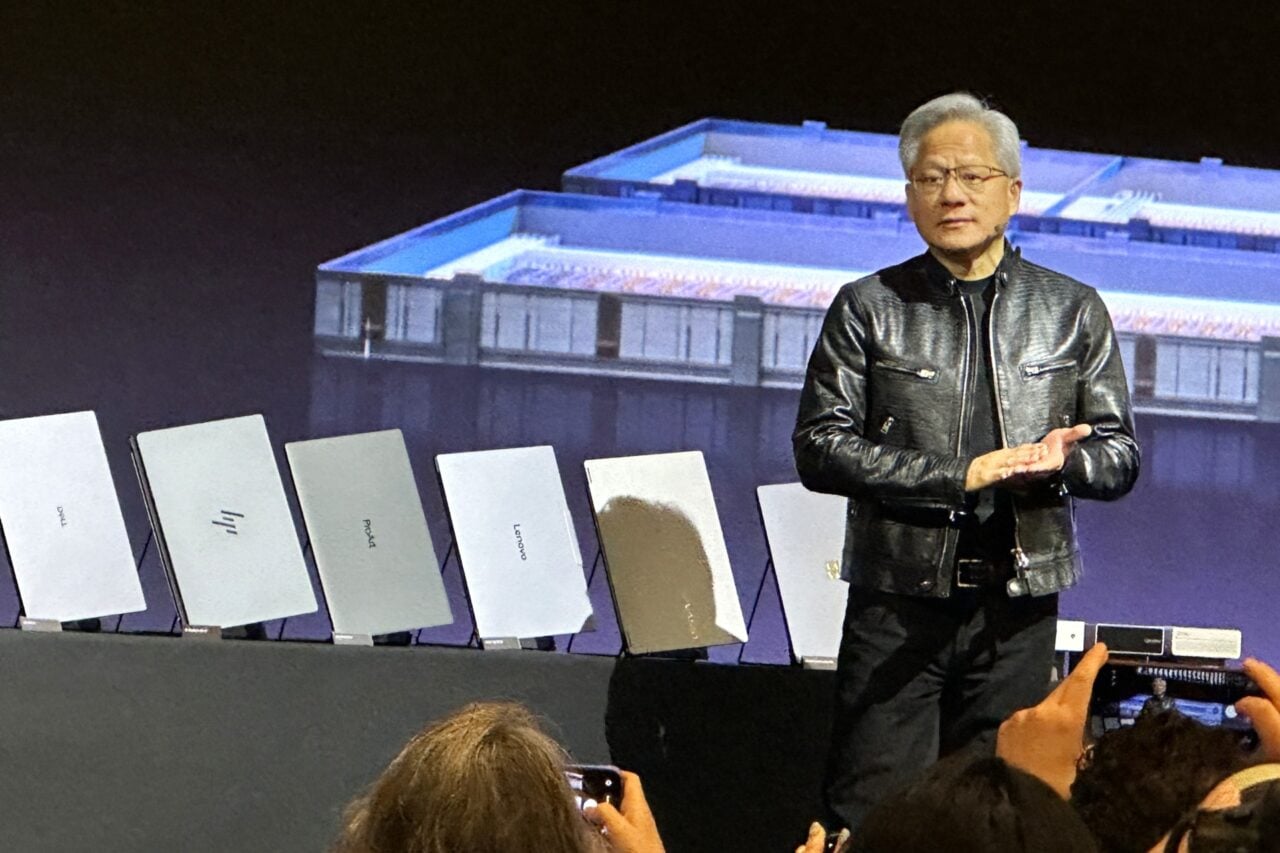
NVIDIA's CEO, Jensen Huang, argues that AI agents should get more access to PC cores than humans. This could redefine our approach to computing.
Jensen Huang, NVIDIA's CEO, has stirred up a storm. He recently suggested that humans merely 'rent' PC cores, implying AI agents deserve those resources more. With this statement, Huang challenges the long-established computing norms.
What's the Argument?
Huang's point raises eyebrows. He sees a future where AI agents take precedence over human users for processing power. His premise is simple: AI can process and analyze data at a scale humans can't, leading to more efficient use of computational resources. In an era where AI drives innovation, is he simply stating the obvious?
Think about it. AI workloads are expanding, from simple tasks to complex decision-making processes. Allocating more resources to AI could accelerate advancements in fields like natural language processing and computer vision. But does that mean humans should take a back seat?
Implications for the Future
Huang's vision could reshape the PC market. If AI demands get prioritized, users might see a shift in how devices are designed. This could trigger a new wave of PC hardware optimized for AI tasks. The SDK handles this in three lines now, and the trend seems irreversible.
As AI models grow, so does their hunger for processing power. Are we witnessing the dawn of AI-centric computing architecture? Companies might soon sell AI-specific cores, redefining personal computing as we know it. Should we embrace this change or resist it?
What Should Developers Consider?
For developers, this means adapting their approach. Optimizing code for AI workloads could become a necessity. The industry might shift from user-centric to AI-centric design. Clone the repo, run the test, then form an opinion. It's that simple.
Yet, this shift won't come without challenges. Developers have to balance between human and AI needs, ensuring that both coexist without one overburdening the other. This balance is key. Read the source. The docs are lying if they say otherwise.
Your Takeaway
In the end, Huang's statement isn't just provocative. It's a call to rethink our relationship with technology. Should AI agents dictate how we design and use PCs? Or should human needs always come first? The answer might define the next chapter in computing.
Get AI news in your inbox
Daily digest of what matters in AI.