Is Empathy the Career Saviour as AI Takes Over Jobs?
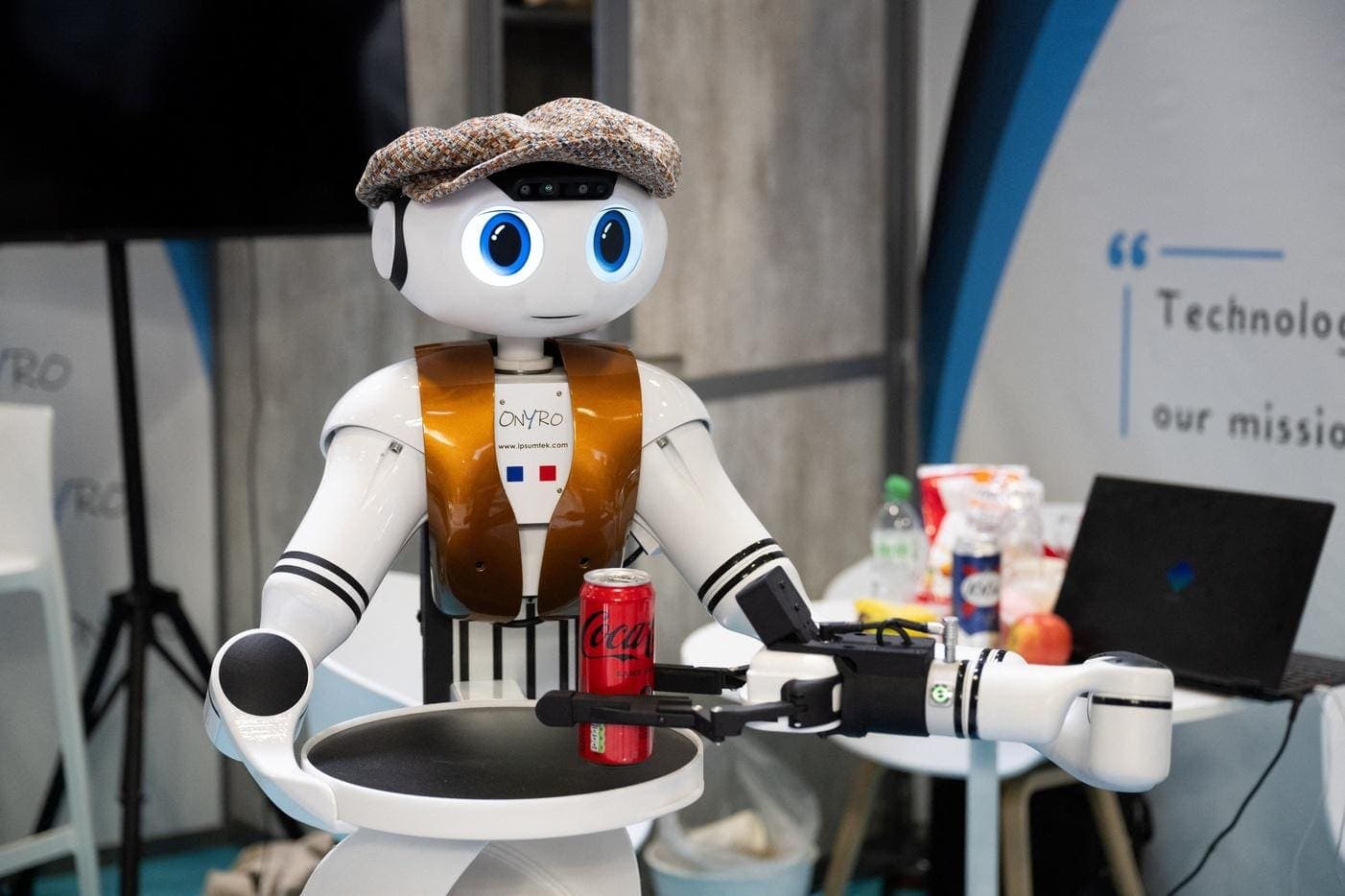
As AI continues to transform job landscapes, the question arises: should workers pivot to empathy-focused roles, or do we need a broader rethink of labor market strategies?
The drumbeat of artificial intelligence encroaching on traditional job roles grows louder each day. Whether it's automation in manufacturing or sophisticated algorithms replacing analytical jobs, the threat to employment is real and immediate. The knee-jerk response has been to suggest retraining workers into roles that require high levels of empathy, a skill AI struggles to replicate. But is this really the silver bullet everyone claims it to be?
The Empathy Argument
High-empathy roles, such as those in healthcare, education, and customer service, have often been touted as safe havens from the AI takeover. After all, machines can't genuinely replicate human compassion, at least not yet. The idea is clear: move the workforce towards jobs that require emotional intelligence. But let's apply some rigor here. How scalable is this solution? Can everyone realistically transition to empathy-centric roles without saturating those markets?
Revisiting Labor Market Strategies
The notion of shifting to high-empathy roles glosses over a critical issue: the labor market's inertia. It's not just about training people for new jobs. It's about reshaping how we view work altogether. The 21st-century labor market demands agility, innovation, and a reevaluation of what it means to be employed. This isn't just about finding niches AI hasn't conquered yet. It's about crafting a workforce that can adapt to rapid technological changes.
Color me skeptical, but banking on empathy alone won't solve the looming employment crisis. Instead, a multifaceted approach that includes lifelong learning, adaptability, and interdisciplinary skills seems more prudent. What they're not telling you is that the future workforce will need to be versatile and quick to pivot, rather than narrowly focusing on what was once considered AI-proof.
What's the Real Solution?
So, where does this leave us? Should policymakers and educational institutions focus solely on empathy, or do they need to take a broader approach? It's clear that a one-size-fits-all solution is unrealistic. The workforce of tomorrow must be prepared not just for roles that resist automation, but ones that complement it. Imagine a world where AI augments human capabilities, rather than simply replacing them.
Ultimately, the conversation needs to shift from panic to preparation. The focus should be on creating a resilient workforce capable of thriving alongside AI. This means reimagining job roles, enhancing interdisciplinary education, and fostering a culture of continual learning. The sooner we accept that the labor landscape is changing, dramatically and irreversibly, the better prepared we'll be to meet its challenges head-on.
Get AI news in your inbox
Daily digest of what matters in AI.
Key Terms Explained
The science of creating machines that can perform tasks requiring human-like intelligence — reasoning, learning, perception, language understanding, and decision-making.
The process of teaching an AI model by exposing it to data and adjusting its parameters to minimize errors.