iPhone's Aluminum Future: A Metal War over Heat and AI
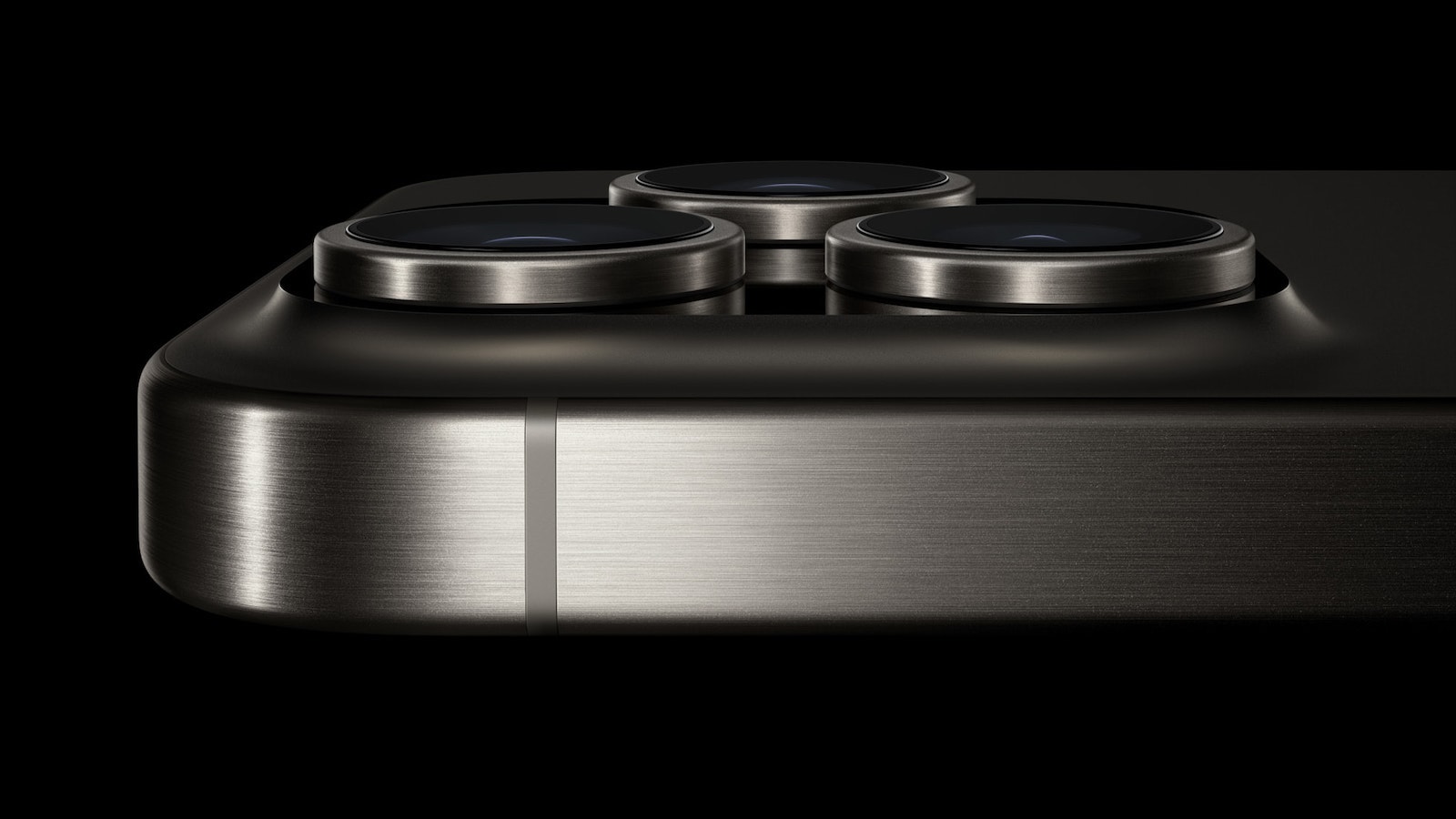
Apple's Pro iPhones are sticking with aluminum due to AI's heat demands, squashing titanium comeback rumors. What does this mean for future iPhone designs?
Apple's decision to stick with aluminum for its Pro iPhone models, rather than reverting to titanium, is more than a mere design choice. It's a calculated move driven by the thermal demands of local AI processing, according to insights from the leaker known as Fixed Focus Digital on Weibo. This decision pushes back against earlier reports suggesting Apple was eyeing a return to titanium or even liquid metal to replace its aluminum frames.
Heat Management and AI
Aluminum, with its notable thermal properties, seems to be the only practical material for now, considering the increasing processing needs of AI features. Fixed Focus Digital points out that this isn't just an Apple issue. Android and Huawei HarmonyOS devices are also favoring aluminum, a testament to the material's efficiency in dissipating heat.
While Instant Digital previously suggested Apple might eventually transition back to titanium or explore liquid metal, these plans seem distant, at least until 2027. The reality is the overheating complaints from the iPhone 15 Pro and iPhone 16 Pro models have left a significant mark. Aluminum's deep entrenchment in Apple's strategy indicates any material change won't happen until the iPhone 18 Pro at the earliest.
The Future of iPhone Design
So why should you care about the metal casing of your phone? Well, the choice of frame impacts not only the look and feel of the device but also its functionality, particularly when AI continues to dominate the tech narrative. The question is: are consumers willing to sacrifice potential design improvements for better performance and reliability?
If Apple can't solve the heat dissipation challenges of titanium, expect aluminum to be the mainstay for years to come. The Pro models might continue to look almost identical, but what's under the hood is what will keep them in the lead. The intersection is real. Ninety percent of the projects aren't. In this case, the intersection of AI's needs and material science is dictating design more than aesthetic ambitions.
Looking Ahead
The Pro iPhone's aluminum future may not sound exciting, but it's a smart choice grounded in practical realities. With AI not going anywhere, and possibly demanding more from our devices, material choice becomes a strategic decision. If the AI can hold a wallet, who writes the risk model? For now, it's aluminum doing the heavy lifting.
Apple is likely playing the long game by ensuring their devices can handle the growing computational demands without overheating. Consumers expecting a radical design shift might need to wait longer than anticipated, but the trade-off for reliable high-performance devices could be worth it.
Get AI news in your inbox
Daily digest of what matters in AI.