Intel Bets Big on Musk's Terafab Chip Dream
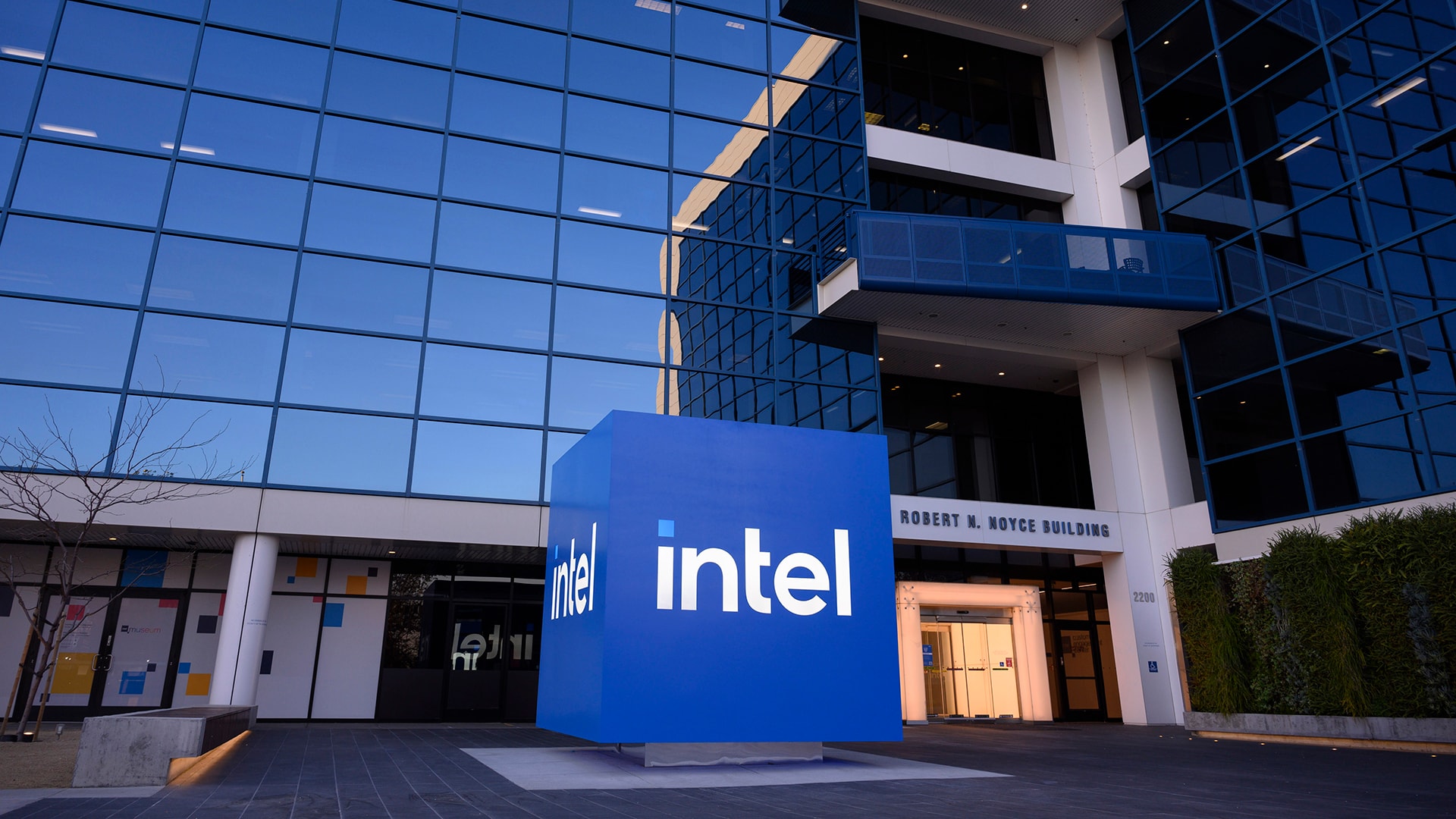
Intel's shares surged over 4% following its decision to join Elon Musk's ambitious Terafab project. The initiative aims to revolutionize chip manufacturing for satellites, robots, and driverless cars.
Intel is making waves, and not just in the stock market. The company's shares shot up more than 4% after it decided to team up with Elon Musk's latest venture, Terafab. Launched last month, Terafab is a joint effort between SpaceX and Tesla, with the bold aim of creating a semiconductor manufacturing hub. This isn't just any hub. It's designed to crank out chips for satellites, robots, and autonomous vehicles.
Why This Matters
Why is this a big deal? For starters, it's about time the semiconductor industry got a shake-up. We've seen chip shortages throttle industries from automotive to electronics, and Musk seems keen on tackling this head-on. By roping in Intel, Terafab gains not just tech prowess but also credibility in the semiconductor sphere.
But let's ask the hard question: Who pays the cost here? Intel and Musk may see hefty gains, but the real test is whether this initiative will create quality jobs or just more automation risk. The productivity gains went somewhere, and it's about time they trickled down to the workforce.
The Market Moves
Intel's decision sparked investor interest, shooting their shares up more than 4%. It's clear that the market senses an opportunity here. But what does this mean for the everyday worker? The jobs numbers tell one story, the paychecks tell another. The tech industry has a track record of overpromising on job creation while underdelivering on wages.
Automation isn't neutral. It has winners and losers. The question is, will Terafab's success mean more opportunities for skilled workers, or will it exacerbate job displacement?
The Bigger Picture
Elon Musk has never shied away from ambitious projects, and Terafab is no exception. Yet for all its promise, we need to keep a close eye on its labor implications. I talked to the people this affects. Here's what they said: they're concerned. Concerned about job security, about wages, about being left behind in a rapidly automating world.
Intel joining Terafab signals a seismic shift in the semiconductor sector. But as always, the devil's in the details. Will this be a step forward for innovation and employment, or just another instance where the benefits get unevenly distributed?
Get AI news in your inbox
Daily digest of what matters in AI.