Inside the Robotics Summit: Open Source, Reliable Deployments, and Neuralink's Chess Match
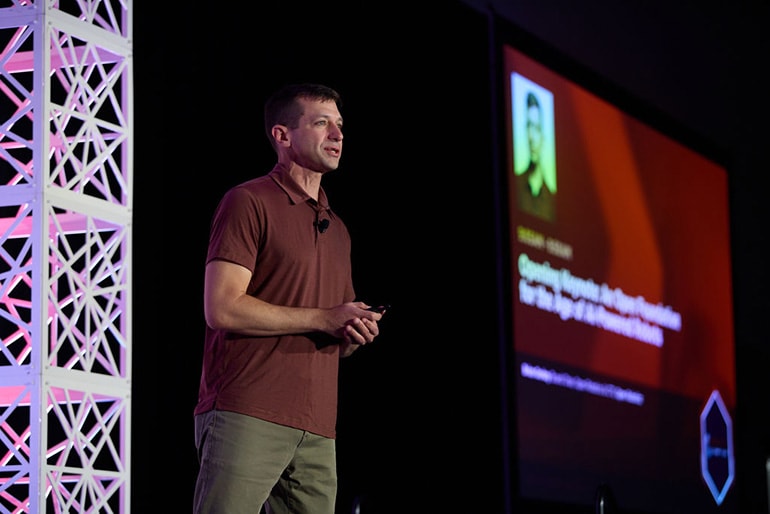
The 2026 Robotics Summit in Boston highlighted the role of open source in AI, practical frameworks for robot deployment, and showcased Neuralink's chess-playing user. Here's why it matters.
The 2026 Robotics Summit and Expo in Boston was a whirlwind of innovation and insight. If you weren't there, you missed some fascinating discussions that could shape the future of robotics and AI. Let's break down what stood out.
Open Source Meets AI
Brian Gerkey took the stage to highlight open source technology's important role. Open source isn't just a buzzword, it's a lifeline for developers striving to keep pace with AI advances. But I've been in that room. Here's what they're not saying: the real challenge lies in ensuring these open source tools can scale as fast as the demand for AI solutions.
Gerkey's talk was more than a nod to collaboration. It's a call to action for startups and established players to embrace a more communal approach to innovation. But are companies ready to share their secrets? That's the million-dollar question.
Deploying "Worthy" Robots
Then there's Mikell Taylor, who shared a framework for deploying reliable robots. "Worthy" robots, as Taylor puts it, aren't just about functionality. It's about reliability and trust, factors often overlooked in the flashy demos. The pitch deck says one thing. The product says another. A robot is only as good as its trustworthiness in real-world applications.
For any startup in the trenches, this is a major shift. It's easy to get caught up in features and prototypes, but what matters is whether anyone's actually using this tech in a meaningful way.
Neuralink's Chess Match
Closing the event was Noland Arbaugh, the first Neuralink user. Imagine playing chess on stage, not with your hands, but with your mind. It's a glimpse into the potential of brain-computer interfaces. But the real story is the journey to get here, a blend of tech, ethics, and sheer human perseverance.
Arbaugh's experience isn't just a personal milestone. it's a litmus test for the future of human-tech integration. The summit left us with this thought: How far are we willing to integrate technology into our lives?
In the end, the Robotics Summit showcased not just what's possible, but what's probable. The ideas and frameworks presented aren't just for ponder, they're blueprints for the future. Fundraising isn't traction, and having a bold vision is only the start. The real question is, who's ready to take the plunge?
Get AI news in your inbox
Daily digest of what matters in AI.