Illinois Mandates AI Safety Verification: Changing the Game for Tech Giants
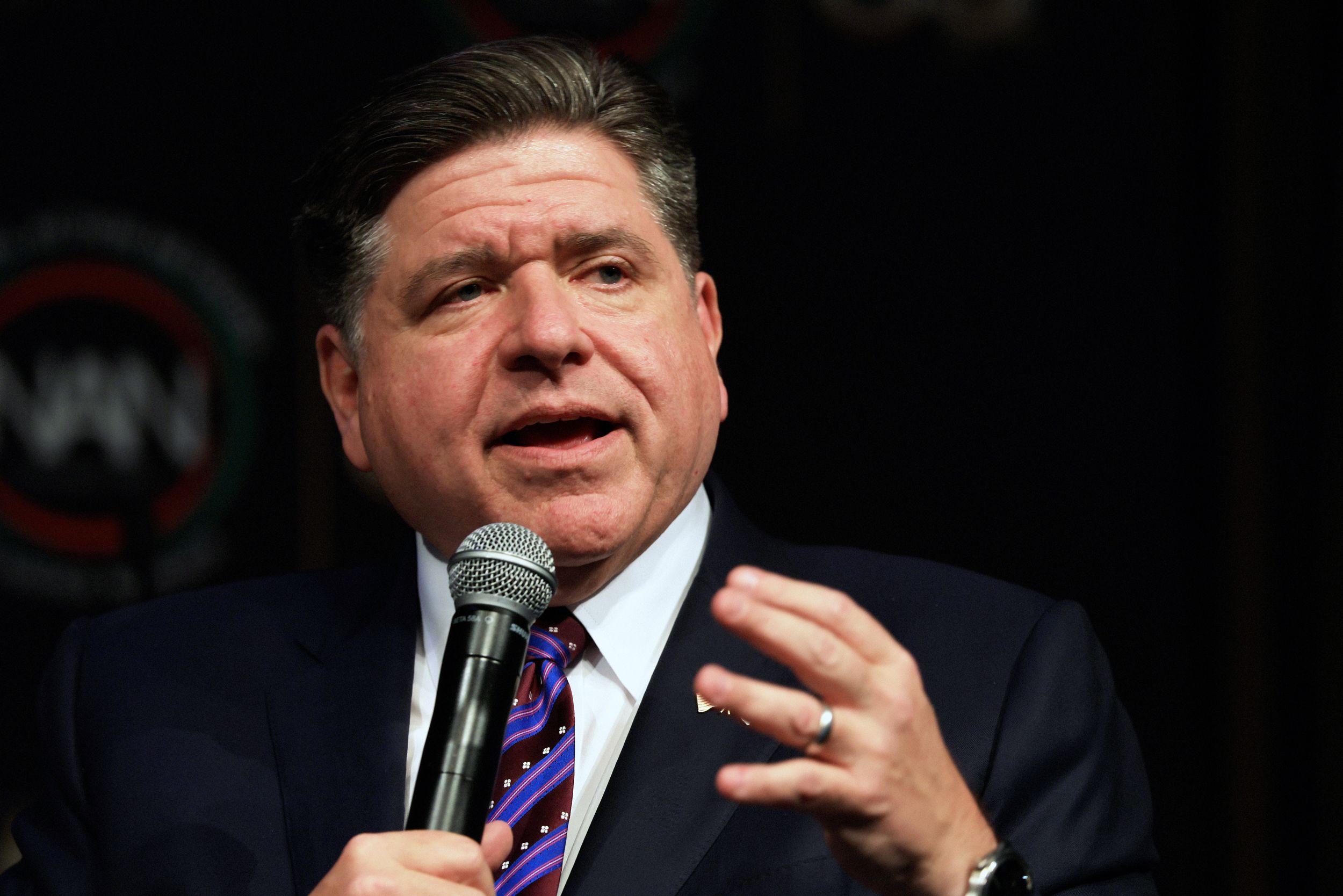
Illinois is setting new rules for AI safety. Big names like OpenAI, Anthropic, and Google must now undergo third-party safety checks.
Illinois is stepping up its game in AI regulation. Governor JB Pritzker has announced his intention to sign a bill that demands companies such as OpenAI, Anthropic, and Google to seek third-party verification to ensure compliance with safety standards. This isn't just legislation. this is a call for accountability in the AI industry.
The Impact of Third-Party Verification
Requiring third-party verification could have significant implications for the AI behemoths. It introduces a layer of transparency that has been conspicuously absent. While tech giants often assure the public of their commitment to safety, having an independent body validate these claims shifts the balance of trust. This convergence of regulatory oversight and technological autonomy isn't just refreshing. it's necessary.
The AI-AI Venn diagram is getting thicker, as the intersection of AI development and governance becomes more pronounced. The real question is, will this lead to more responsible AI development, or will it simply become another checkbox exercise for companies?
Why Illinois? Why Now?
Illinois might not be the first place you'd expect to lead the charge on AI regulation, yet here we're. The state's proactive stance could set a precedent for others to follow. As AI technologies proliferate at an unprecedented rate, the need for solid safety measures becomes clear. If agents have wallets, who holds the keys to their ethical and safe deployment?
This move by Illinois reflects a growing awareness among policymakers that AI isn't just a technological advancement but a societal shift that needs careful navigation. By implementing such measures, Illinois isn't only safeguarding its residents but also highlighting the pressing need for national and even global standards in AI safety.
What's Next for Tech Giants?
For companies like OpenAI and Google, the implications are clear: adapt or face potential roadblocks. The compute layer needs a payment rail, and now it appears it also requires a safety check. Will this lead to more responsible innovation, or will it slow down the pace of AI advancement as companies navigate new regulations?
One thing's certain, the AI industry's future is being shaped not just by technological breakthroughs but by regulatory frameworks that aim to keep pace with these advancements. This isn't a partnership announcement. It's a convergence of ethics and technology, with Illinois leading the charge.
Get AI news in your inbox
Daily digest of what matters in AI.
Key Terms Explained
The broad field studying how to build AI systems that are safe, reliable, and beneficial.
An AI safety company founded in 2021 by former OpenAI researchers, including Dario and Daniela Amodei.
The processing power needed to train and run AI models.
The AI company behind ChatGPT, GPT-4, DALL-E, and Whisper.