Icarus Robotics' Joy Bot Is Ready to Slay in Space
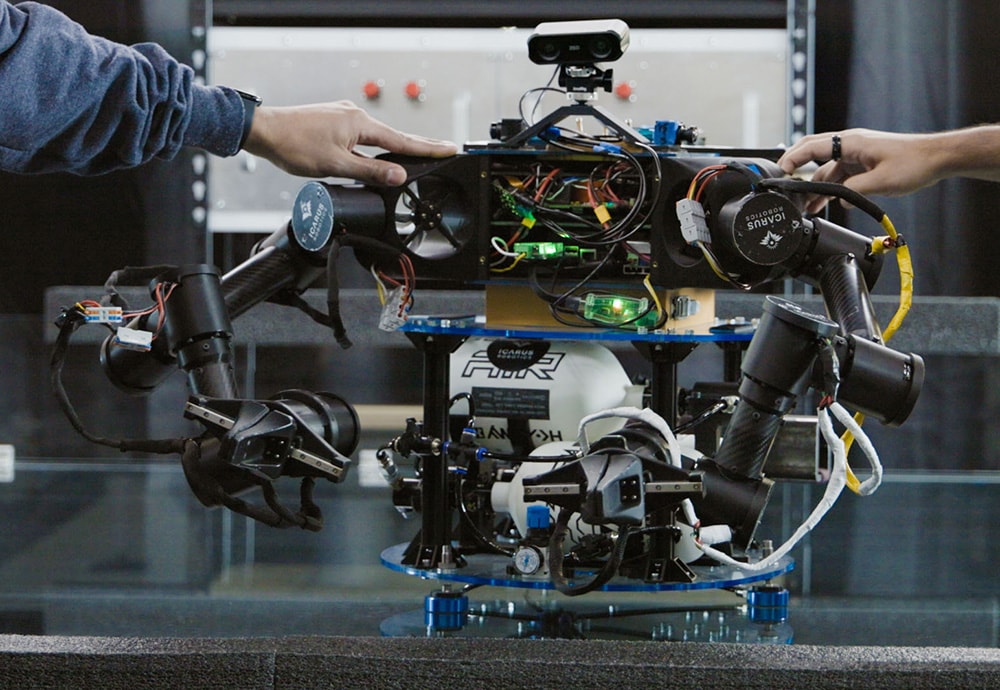
Icarus Robotics' Joy robot is gearing up for its debut on the ISS in 2027, teaming up with Voyager Technologies. This is space tech leveling up.
Ok wait because this is actually insane. Icarus Robotics is launching their Joy robot into space. Like, actual space. They're teaming up with Voyager Technologies to make it happen on the ISS in 2027. No cap, this is about to slay.
Joy's Space Adventure
So here's the tea. Joy is a free-flying robot that's gonna be zooming around the ISS using fans. It's got these two robotic arms and the team at Icarus can control them from Earth. They're all about teleoperating at first, getting that juicy data to build an autonomy system. Think of it like teaching a dog new tricks, but in zero gravity.
And Voyager? They're the main character enabling this mission. They've got the only commercial airlock on the ISS and they're handling all the intense mission logistics. Safety certification, launch coordination, all that jazz. Which means Icarus can chill and focus on making Joy the space star it was born to be.
Why Should We Care?
Here's why this matters, bestie. We're talking about space robots doing the boring stuff so astronauts can do the cool science. Joy is gonna tackle tedious tasks like moving cargo and setting up experiments. It's like having a super competent assistant who doesn't need coffee breaks.
And remember, this isn't just about the ISS. Icarus is dreaming big. Outer space maintenance, satellite servicing, even building on the moon or Mars. Bruh, this is the future of space work and Joy is leading the charge.
The Road Ahead
But don't get it twisted. This isn't a walk in the park. Voyager and Icarus have a lot of prep to do before Joy can flex its robotic muscles in space. There's a parabolic test flight lined up to make sure everything's Gucci before the real deal. What could be cooler than robots in space, right? No but seriously, read that again. Robots. In. Space.
So, will Joy change space exploration forever? I mean, it's 2027 and we’re about to see if robots can truly take over the mundane tasks in space. If successful, this could be a major flex in the robotics world. Iconic.
Get AI news in your inbox
Daily digest of what matters in AI.