Humanoid Robots: The Next Frontier or Just a Fantasy?
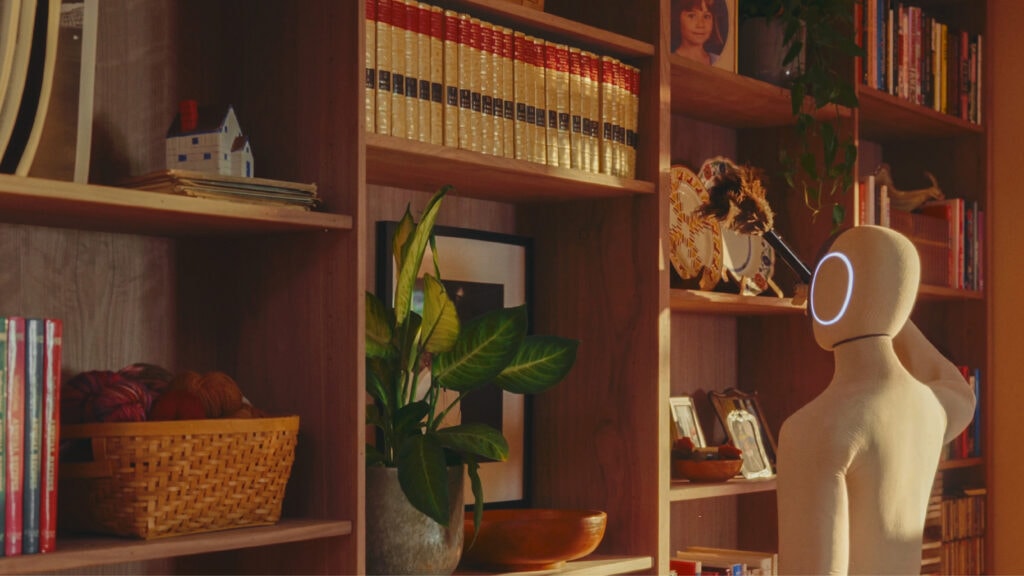
1X's Neo robot claims to redefine household chores. Yet, it reveals more about the hidden costs of AI and privacy risks than it does about convenience.
Last year, the Norwegian-American tech company 1X made waves with the announcement of Neo, a consumer-ready humanoid robot. Priced at a hefty $20,000, this 168 cm tall machine promises to handle mundane chores like folding laundry and loading dishwashers. But is it the breakthrough in home automation we've been waiting for?
The Reality Behind Neo
Despite its futuristic promises, Neo depends heavily on human intervention. Complex tasks require a 1X employee to remotely guide the robot using a virtual reality headset. This dependency raises significant privacy concerns. Imagine an outsider viewing and recording every nook and cranny of your home.
The rollout of Neo highlights a recurring pattern in AI tech launches: big claims followed by limited capabilities. But it's not just about the bot itself. The real bottleneck isn't the model. It's the infrastructure behind it. As for the economics of deploying such technology at scale, that remains an uphill battle.
Why Humanoid Robots?
Why chase the dream of humanoid robots? For starters, the technology is catching up. Thanks to advancements in electric vehicles, robotics hardware like sensors and motors are more sophisticated. Plus, AI systems have become far better at controlling these machines. Yet, the economics of making these robots practical for everyday use still doesn't add up.
While over 50 companies are developing humanoid robots, the market remains nascent. The unit economics break down at scale. Home environments aren't designed for robots, and many specialized machines outperform humanoids in specific tasks. So, do we really need a robot that can barely manage the chores we already handle?
The Future of Humanoids
Despite these hurdles, the vision for humanoid robots persists. According to the International Federation of Robotics, it might take another two decades before we see useful and widely accepted home androids. Meanwhile, engineering and philosophical exploration drive efforts to create humanoid robots, probing questions about human identity rather than just convenience.
The constant evolution of this technology poses ongoing privacy and ethical concerns. These robots, embedded in our homes, will capture intimate details of our lives, potentially opening new avenues for data exploitation.
As humanoid robots improve with advances in AI, we might see them become integral to daily life. Yet, the road is long. The real question is, how much of our lives are we willing to hand over to machines, and at what cost?
Get AI news in your inbox
Daily digest of what matters in AI.