Humanoid Robots: NIST's Benchmarking Has a Bone to Pick
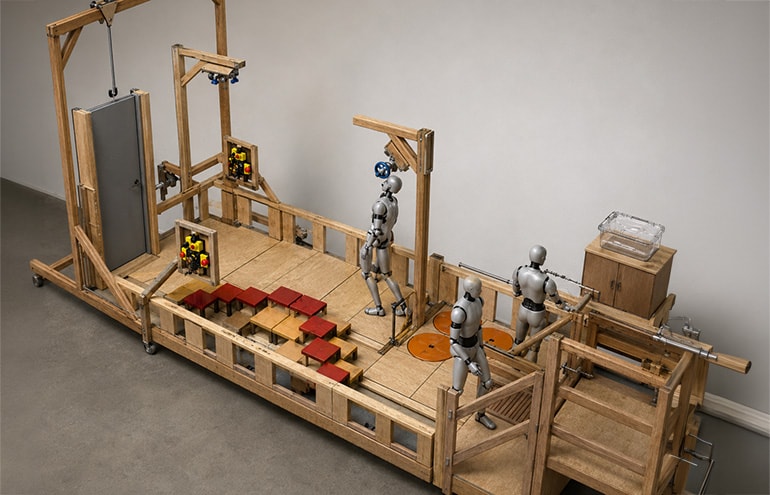
NIST's new standardized testing for humanoid robots aims to cut through the marketing fluff. Is this a genuine advance or just more academic posturing?
Ah, humanoid robots, the darlings of tech marketing videos and venture capital dreams. Yet, how do we really know if these glorified animatronics can go beyond looking good in promo reels? Enter NIST's proposed standardized testing for humanoid bots, hoping to separate the functional from the fantastical.
Setting the Benchmark
In May, the National Institute for Standards and Technology (NIST) announced a plan to establish a baseline performance benchmark for humanoid robots. They've partnered with ASTM International to propose the first standardized performance measure since DARPA's 2015 Robotics Challenge. The goal? To finally have an agreed method to test what these robots can actually do, beyond their flashy debut videos.
With billions sunk into platforms like Tesla's Optimus and Agility's Digit, you'd think there'd be a yardstick to measure their prowess. But no, we've been relying on slick marketing to guide us. Spare me the roadmap of empty promises. NIST’s initiative might just be the reality check this booming industry needs.
The Testing Apparatus
NIST has designed its testing apparatus to evaluate humanoid locomotion and manipulation. Think of it as a set of tasks mimicking industrial, household, and healthcare scenarios. The tests aim to benchmark robots' agility, coordination, and decision-making skills. It's a tall order, given that most of these robots can't even tackle a flight of stairs without looking like a toddler on roller skates.
The apparatus will test domain-agnostic mobility and manipulation, demanding robots perform coordinated tasks in confined spaces. To put it mildly, if your bot can’t handle these basics, why is it called a humanoid at all?
Collaboration or Competition?
NIST claims to have crafted this approach in collaboration with industry and academia. They’re inviting manufacturers to test their robots on this apparatus for free, provided they agree to share data. Nice touch of transparency, but one wonders if these companies are really lining up to expose their tech's limitations. Who wants to reveal their wizardry is just smoke and mirrors?
It's time to ask: Will this benchmarking elevate the entire industry or merely highlight its flaws? Either way, NIST plans to aggregate the results, hoping to showcase the current state of humanoid tech. It’s about time someone put these overhyped machines through their paces.
Get AI news in your inbox
Daily digest of what matters in AI.