Huawei's Bold Move: Rethinking Chips and Challenging Moore's Law
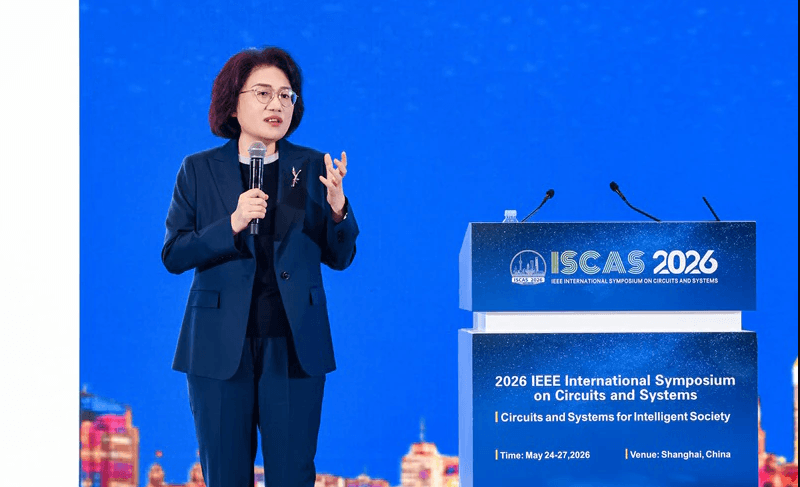
Huawei introduces a new chip design framework and Tau Scaling Law, aiming to rival semiconductor giants like TSMC and Nvidia. Will this reshape tech industries worldwide?
Huawei Technologies just took a bold step in the semiconductor world, unveiling a new chip design framework that could shake things up. This move aims to bridge the gap between Huawei and industry leaders like Taiwan Semiconductor Manufacturing Co. (TSMC) and Nvidia Corp. But it's not just about catching up. Huawei's introducing the 'Tau Scaling Law' as a replacement for the aging Moore's Law, signaling they're not just playing catch-up, they're aiming to redefine the game.
Challenging the Giants
For years, players like TSMC and Nvidia have dominated the semiconductor scene, setting benchmarks and leading innovation. Huawei's entry into this space with a fresh approach isn't just another tech announcement. It's a statement. By proposing the Tau Scaling Law, Huawei suggests that the old metrics for progress, like Moore's Law, might no longer apply. So, what exactly is Huawei bringing to the table with this new framework?
The specifics of Huawei's new chip design approach aren't just technical jargon. They're potentially disruptive. While Moore's Law predicted the doubling of transistors on a microchip every two years, leading to faster and cheaper computing, Huawei's Tau Scaling Law could change how we perceive advancements in chip technology. The question remains: Can Huawei's fresh perspective truly shift the balance of power in the semiconductor industry?
Why It Matters
In a world increasingly reliant on semiconductors, this isn't just a battle of tech titans. It's about shaping the future of a digital economy. Huawei's move could have ripple effects across various sectors, from consumer electronics to AI development. The new framework might enable more efficient chips, potentially fueling innovations in areas like mobile computing and artificial intelligence.
But there's more at stake here. By challenging established norms like Moore's Law, Huawei isn't just trying to catch up, they're attempting to leapfrog ahead. And in doing so, they're sending a clear message to the global tech community: Huawei plans to be a leader, not a follower.
The Road Ahead
Of course, skepticism will abound. Can Huawei really deliver on this bold promise? Will the Tau Scaling Law gain traction as a new industry standard? These are the questions that tech analysts and industry insiders will be watching closely in the coming months. Yet, the mere ambition of Huawei's strategy can't be ignored. It's a sign that in tech, the race is never truly over. There's always room for innovation, even from unexpected quarters.
In the end, Huawei's announcement is more than just a claim of technological advancement. It's a challenge to the status quo, an invitation for the industry to rethink long-standing assumptions. And in a field where innovation is the lifeblood, that's a challenge worth paying attention to.
Get AI news in your inbox
Daily digest of what matters in AI.
Key Terms Explained
The science of creating machines that can perform tasks requiring human-like intelligence — reasoning, learning, perception, language understanding, and decision-making.
A mechanism that lets neural networks focus on the most relevant parts of their input when producing output.
The dominant provider of AI hardware.