Holyvolt Accelerates Battery Innovation with $73M Wildcat Acquisition
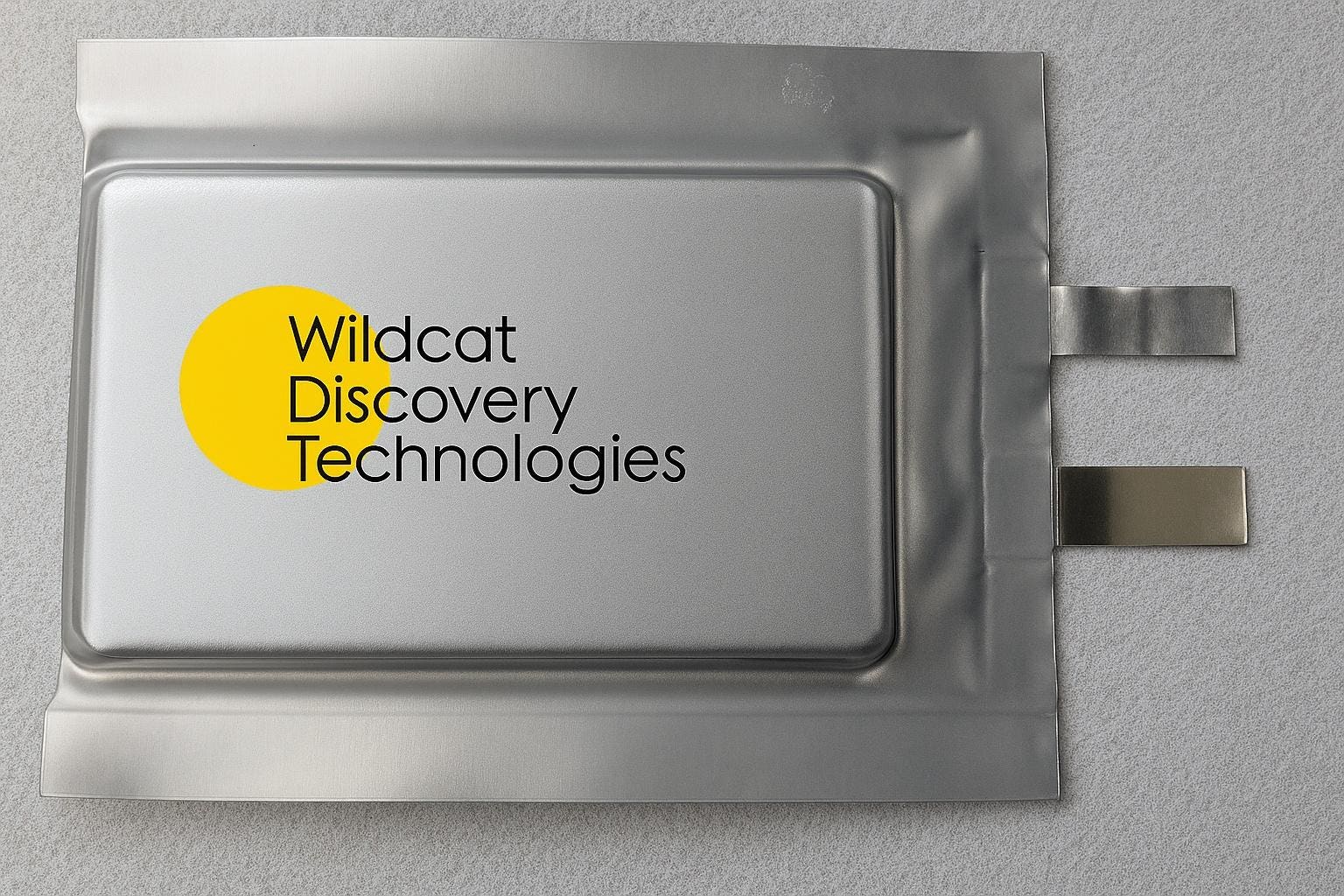
Holyvolt's strategic move to acquire Wildcat, backed by $73M, promises a breakthrough in battery tech. The goal: sustainable, cobalt-free cells ready to challenge China's dominance.
In a bold move, Holyvolt has shelled out $73 million to acquire Wildcat, a company renowned for its prowess in high-throughput research and AI-driven innovations. This acquisition isn't just a business transaction. It's a convergence of technologies aiming to revolutionize battery research and development.
Disrupting the Status Quo
Holyvolt's acquisition targets an industry that's been largely dominated by China. The focus is on developing cheaper, sustainable, and cobalt-free battery cells. Why cobalt-free? Cobalt isn't only expensive but also linked to significant environmental and ethical concerns. The AI-AI Venn diagram is getting thicker, and Holyvolt is betting on this convergence to challenge the status quo.
With Wildcat's expertise, Holyvolt plans to expedite the innovation process. The integration of high-throughput research allows for the rapid testing of new materials and cell designs. Coupled with AI, this promises to cut down development time significantly, potentially reshaping global supply chains.
AI and Battery R&D: A Natural Fit
AI's role in this scenario can't be overstated. It offers a way to sift through vast datasets, identifying promising material combinations faster than traditional methods. This isn't just about speeding up research. It's about fostering agentic autonomy in battery development, increasing the efficiency and effectiveness of the R&D pipeline.
But can Holyvolt truly rival China? While China's infrastructure and market dominance in battery manufacturing are formidable, the breakthrough potential of AI-driven, cobalt-free technology is hard to ignore. If agents have wallets, who holds the keys to this transformation?
The Bigger Picture
This acquisition is more than a business strategy. It's a statement. With the world increasingly focused on sustainability, Holyvolt's move could set a precedent for others to follow. If successful, this could lead to a seismic shift in how batteries are produced globally, reducing reliance on rare materials and making green technology more accessible.
The question remains: Will other companies follow Holyvolt's lead, embracing AI to power the next wave of green tech innovation? In a rapidly evolving market, those who adapt swiftly will likely come out on top.
Get AI news in your inbox
Daily digest of what matters in AI.