Hollywood's Strategic Embrace of AI: Revolution or Reckoning?
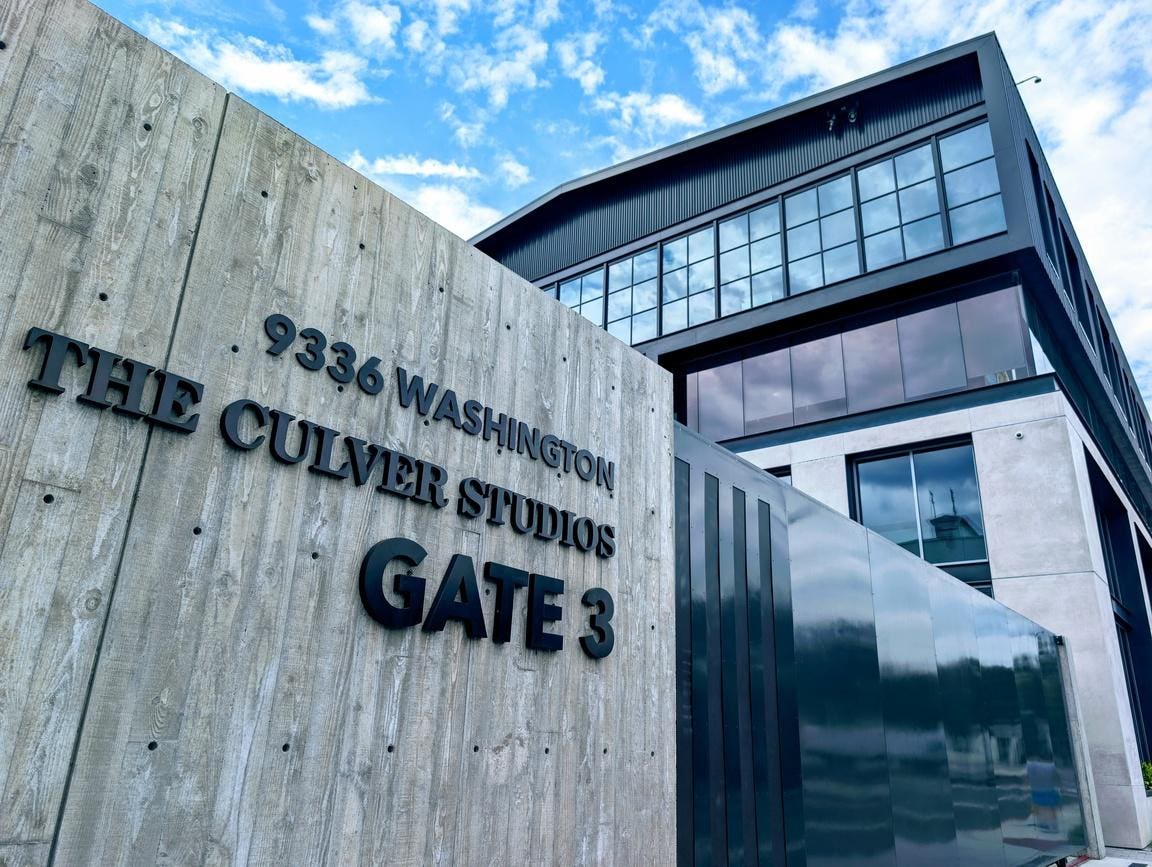
Hollywood's powerhouses shift from AI opposition to strategic control, with industry giants like Amazon and Netflix leading the charge. This transformation signals a key moment in film production dynamics.
For decades, Hollywood has been a bastion of creativity driven by human talent. However, as we step further into the 21st century, technology is reshaping not just how stories are told, but who, or what, is telling them. Major studios such as Amazon, Lionsgate, and Netflix, along with the actors' union SAG-AFTRA, are no longer shunning artificial intelligence. Instead, they're setting the stage to harness its potential, marking a significant pivot from resistance to control.
Shifting Dynamics
The entertainment industry is no stranger to innovation. Yet, the incorporation of AI into filmmaking processes is more than just another technological advancement. it's a transformative shift that could redefine the industry's landscape. As these studios begin to integrate AI, questions arise about the implications for not only production efficiency and cost management but also for the creative process itself.
Amazon and Netflix, both pioneers in their own right, are spearheading these changes. Their efforts to implement AI reflect a broader strategy to simplify content creation and enhance viewer engagement through data-driven insights. Lionsgate, too, is following suit, recognizing that the future of film may well hinge on the effective deployment of AI technologies.
Impact on the Creative Process
With the integration of AI, one has to wonder: Will machines soon replace the irreplaceable nuances of human creativity? While AI can certainly boost efficiency, an attractive proposition in a high-stakes industry, it raises concerns about the erosion of artistic integrity and the unique human touch that has traditionally defined storytelling.
as SAG-AFTRA engages in dialogues about AI's role, the debate intensifies over the future of creative jobs. The potential for AI to reduce the need for human actors and writers could lead to significant shifts in employment patterns, necessitating new skill sets and adaptation within the workforce. The fiduciary obligations of these studios demand careful consideration of not just technological capabilities, but the societal impacts as well.
The Road Ahead
Ultimately, Hollywood's embrace of AI isn't merely a question of technology adoption. it's a strategic maneuver that reflects a broader trend of digital transformation. The risk-adjusted case remains intact, though position sizing warrants review. As AI continues to develop, studios must balance innovation with the preservation of the industry's core creative values.
In this rapidly evolving scenario, one thing is clear: institutional adoption of AI in Hollywood won't only be measured by the success of its integration but also by the industry's ability to retain the magic of storytelling amidst technological advancements.
Get AI news in your inbox
Daily digest of what matters in AI.