HEBI Robotics Advances Space Actuation with NASA's Backing
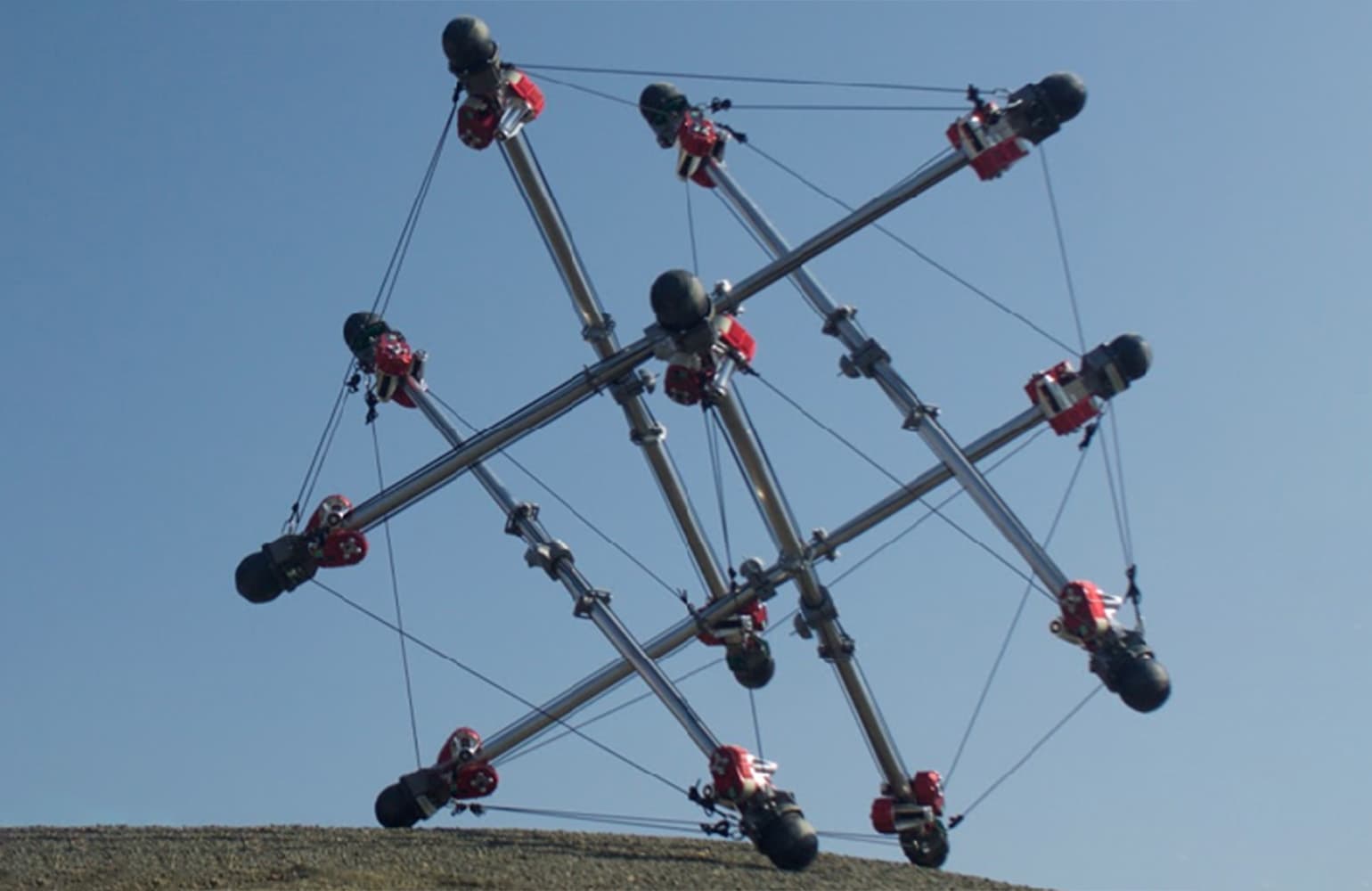
HEBI Robotics secures a NASA contract to develop reliable actuation systems for space, promising advancements that could aid satellite servicing and construction.
HEBI Robotics, a Carnegie Mellon University spinout, has been awarded a substantial contract by NASA, securing a Phase II Small Business Innovation Research (SBIR) fund. This two-year, $850,000 project is set to revolutionize how we think about space technology, focusing on developing actuation hardware that can withstand the harsh conditions of space.
Actuation for the Final Frontier
NASA’s support for HEBI Robotics isn't just a vote of confidence in their capability but a clear acknowledgment of the pressing need for space-grade technologies. The actuation systems under development are set to play a important role in missions set in low Earth orbit (LEO) and geosynchronous Earth orbit (GEO). Applications range from deploying and servicing satellites to contributing to the construction of new structures in space.
Andrew Willig, the director of hardware at HEBI Robotics, points out that the goal is to simplify the creation of professional-grade robotic systems. But the challenge is far from simple. The vacuum of space and intense radiation conditions present formidable barriers, where traditional solutions fail. On the factory floor, the reality looks different than what glossy demos might suggest.
Bridging Lab Innovations to Space Applications
Japanese manufacturers are watching closely, as HEBI’s approach incorporates a modular design, akin to Lego blocks, which could simplify the assembly of complex robotic systems. Such flexibility and adaptability are important when precision matters more than spectacle, especially in space exploration.
HEBI's past achievements, including winning the 2025 RBR50 Robotics Innovation Award for the 'inchworm' robot family, highlight their technological prowess and innovative spirit. However, moving from concept to deployment is where the true test lies. The demo impressed, but the deployment timeline is another story.
Implications for Terrestrial and Extraterrestrial Missions
While the primary focus is on extraterrestrial applications, the implications for terrestrial industries shouldn't be overlooked. Radiation-hardened actuators developed for space could find critical applications in nuclear inspection and maintenance, significantly enhancing safety and efficiency in these high-risk environments.
One can't help but ask, with the ongoing advancements in space technology, how soon will it be before we see these actuation systems as commonplace in both space missions and terrestrial applications? The gap between lab and production line is measured in years, but with NASA's collaboration, that timeline might just be accelerated.
Get AI news in your inbox
Daily digest of what matters in AI.