Harnessing LLMs to Turbocharge Database Queries
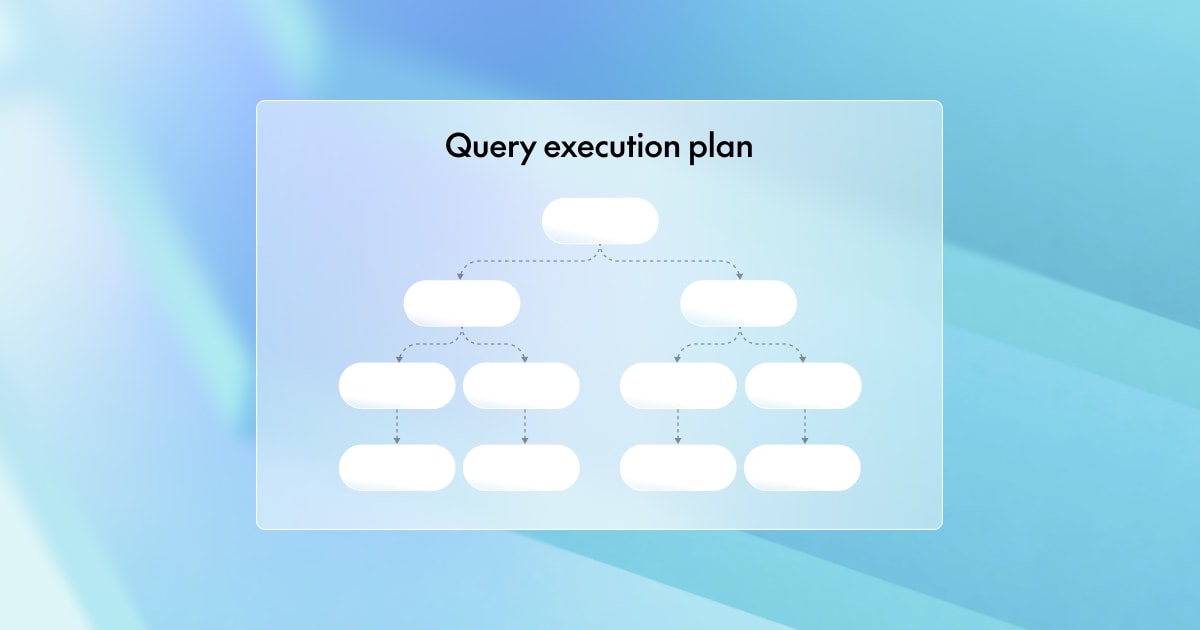
Exploring how large language models (LLMs) can optimize database query execution by enhancing efficiency and reducing latency.
Databases are the backbone of modern digital infrastructure. As data volumes explode, the need for efficient query execution becomes more critical. Enter large language models (LLMs), the latest tool in optimizing database operations. They promise to simplify query processing, offering a tantalizing glimpse at a future where database management is both faster and smarter.
LLMs: The New Query Optimizers?
Traditionally, database queries rely on predefined paths to retrieve information. This method can become sluggish with large datasets. LLMs, with their ability to process complex language patterns, can dynamically optimize these paths. How? By predicting the most efficient query routes based on patterns they've learned from vast amounts of data. This not only reduces latency but can also significantly cut down on computational resources needed to execute queries.
Take, for instance, a business running queries across terabytes of customer data. With LLMs, the query execution time could drop dramatically, leading to faster insights and decisions. If seconds matter, then optimizing at this level isn't just beneficial, it's essential.
The Economics of Query Optimization
Incorporating LLMs isn't just a technical upgrade, it's an economic one. The unit economics break down at scale. Lower execution times mean less compute cost, essential for businesses operating in cloud environments where every second of processing time adds up financially. But it's not just about cutting costs. Enhanced throughput and quicker insights can drive revenue, making the investment in LLM-based optimization a strategic move.
Here's what inference actually costs at volume: substantial computing resources. But with LLMs, the costs can be mitigated by reducing unnecessary computations. Companies that ignore this shift may find themselves outpaced by competitors who capitalize on these efficiencies.
Challenges on the Road Ahead
While the potential is undeniable, challenges remain. The real bottleneck isn't the model. It's the infrastructure. Implementing LLMs for database query optimization requires significant changes in infrastructure. From upgrading hardware to updating software systems, the initial investment isn't trivial. However, the long-term benefits, particularly in high-transaction environments, could justify these upfront costs.
So, the question isn't whether LLMs can optimize database queries, but rather how quickly can organizations adapt to use this technology? The clock is ticking, and those who act swiftly could redefine their competitive edge.
Get AI news in your inbox
Daily digest of what matters in AI.