Harnessing AI: Beyond the Model to System Mastery
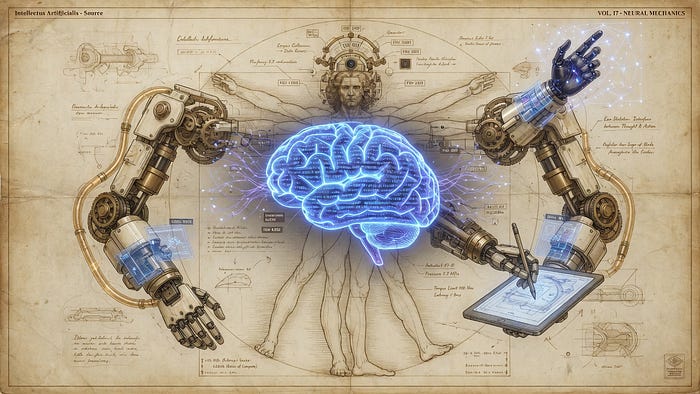
AI isn't just about picking the best model. Dive into the overlooked art of harness engineering, the true driver behind effective AI behavior.
landscape of artificial intelligence, the discussion often begins with one question: which model reigns supreme? Is it Opus, GPT, or perhaps Gemini? Each offers unique strengths, promising less hallucination, cleaner code generation, or extended context retention. But maybe we're asking the wrong question.
The Unseen Power: Harness Engineering
Often overlooked in AI development is harness engineering. This concept flips the spotlight from the model itself to what's wrapped around it - prompts, tool definitions, loops, and memory systems. These elements are the silent architects of an AI's behavior, dictating its interaction with the world.
Why has harness engineering surged to prominence now? It aligns with the evolution from basic prompt engineering to complex agent frameworks. The paper, published in Japanese, reveals that durable states, sandboxed executions, and memory-based learning have become foundational. Notably, these components aren't just add-ons, they're essential as AI systems grow more intricate.
Debugging the System, Not the Model
Crucially, effective AI deployment requires a shift in focus. The real question isn't which model to choose, but rather, which harness component needs adjustment. Debugging should target the configuration and design of the system, not the model itself. This perspective encourages a proactive approach to AI errors, where system constraints can be tightened, what some call the 'ratchet' method, mitigating recurring mistakes.
Consider this: Can a sophisticated model truly excel without an equally sophisticated harness? The data shows that advanced models alone aren't enough. The benchmark results speak for themselves.
The Co-evolution of Models and Harnesses
Western coverage has largely overlooked this, but AI engineering is increasingly about the co-evolution of models and harnesses. As capabilities expand, so must the sophistication of the systems that manage them. Misconceptions abound, such as the belief that better models require less harnessing, or that more tools automatically enhance capability. These ideas miss the mark.
Ultimately, the focus needs to shift from a singular obsession with models to a broader understanding of system architecture. What the English-language press missed: it’s not about swapping models, it’s about enhancing the harness to unleash their full potential.
Get AI news in your inbox
Daily digest of what matters in AI.
Key Terms Explained
The science of creating machines that can perform tasks requiring human-like intelligence — reasoning, learning, perception, language understanding, and decision-making.
A standardized test used to measure and compare AI model performance.
Google's flagship multimodal AI model family, developed by Google DeepMind.
Generative Pre-trained Transformer.