Gulf Dispute Eases: Economic Relief or Temporary Truce?
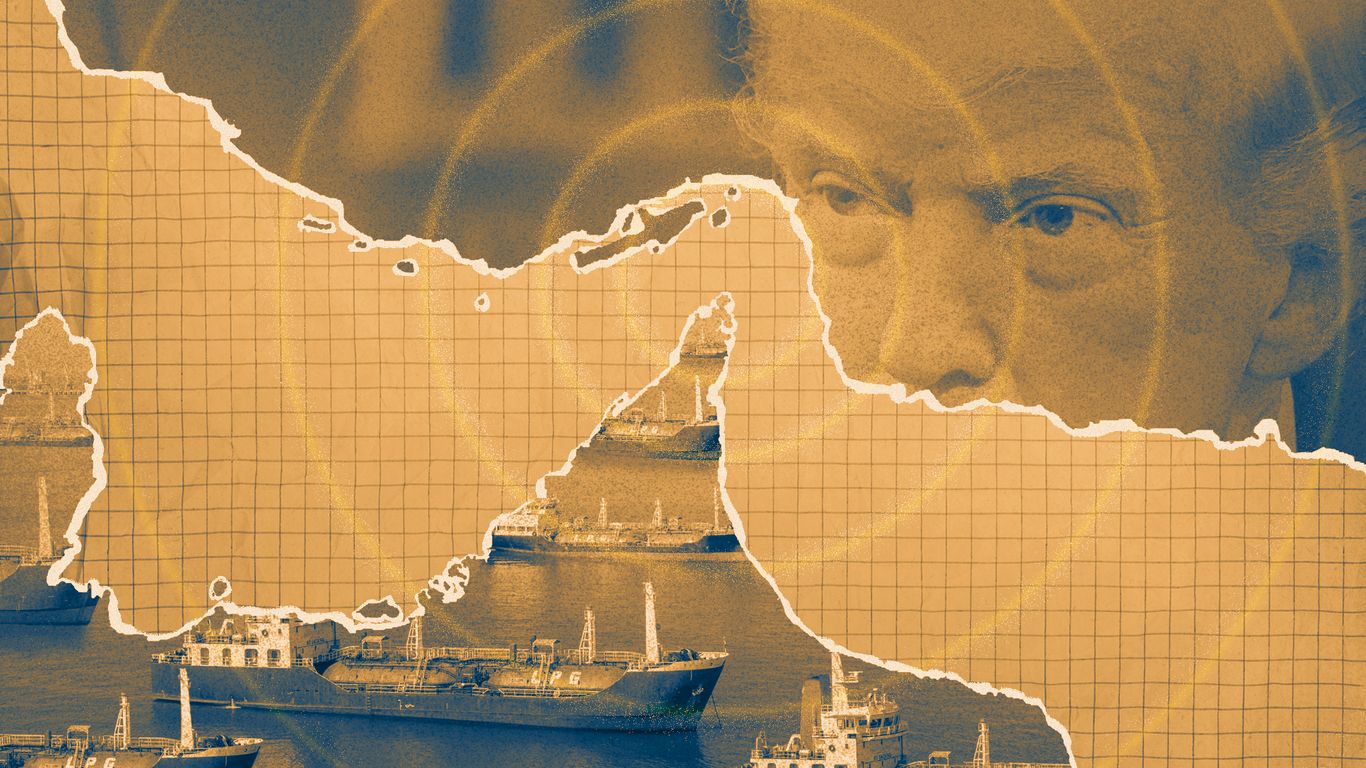
The Persian Gulf blockade has lifted, providing a reprieve to global markets. But is this a lasting peace or a mere pause in tensions?
The tense atmosphere over the Persian Gulf has eased dramatically with the cessation of the blockade. If this resolution holds, it will lift a significant burden from the world economy, which was teetering on the brink of a supply crisis.
Tensions and Revelations
The standoff ended following a strategic move by the Trump administration, which mirrored Iran's blockade tactics. Public records obtained by Machine Brief reveal that the U.S. blockade on non-paying ships seemed to corner Iran, leading to an unexpected opening of the Strait of Hormuz.
This development can't be understated. With global commodity supplies in limbo, the relief felt across stock markets was immediate. Oil prices dipped sharply, and there was a surge in stock indices worldwide, buoyed by the news that the critical shipping lane was again navigable.
Strategic Moves or Temporary Fix?
It's clear that both Iran and the U.S. were playing a high-stakes game. Iran's initial strategy to block the strait gave it undue tap into over the global economy. Yet, the U.S. counteraction, threatening ships passing through, was an unexpected gambit that forced Iran back to the negotiating table.
Robin Brooks of the Brookings Institution pointed out that the U.S.'s approach has deflated Iran's primary bargaining chip, oil price manipulation. But is this peace sustainable? Or merely a strategic pause?
Market Reactions
Financial markets responded with optimism. The S&P 500 rose by 1.3%, marking a record high. West Texas Intermediate crude fell about 14%, settling at $81 a barrel. The yield on the two-year Treasury note also dropped, signaling reduced inflationary pressures.
However, the temporary nature of this resolution leaves a lingering question: How will the past weeks' disruptions echo through the economy? Shipping costs soared during the closure, and sourcing changes made by manufacturers might not reverse easily.
Accountability requires transparency. While the immediate crisis might have passed, the lack of foresight and the absence of broader consultation with affected communities raise concerns about the stability of such geopolitical strategies in the future. Are we witnessing a long-term resolution, or just the calm before another storm?
Get AI news in your inbox
Daily digest of what matters in AI.