GSA's New Playbook: A Blueprint for Federal Automation
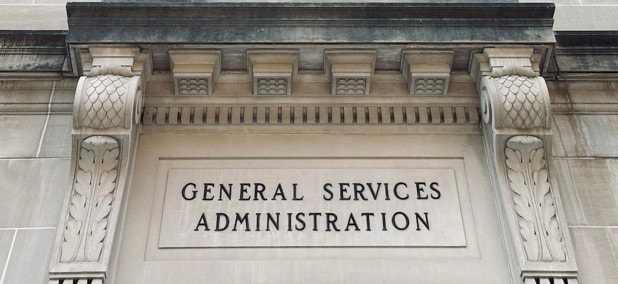
The GSA unveils its new playbook, aiming to make easier and automate federal tasks. It's a big step towards saving a million hours of workload, with implications for agencies nationwide.
The General Services Administration (GSA) has just released a playbook that could reshape how federal agencies handle repetitive tasks. Dubbed the Elimination, Optimization, and Automation playbook, it's designed to free up time for mission-critical work by automating the mundane.
A Million Hours Saved
This playbook isn't just another guide. It's part of a grand vision by the GSA to save a whopping one million hours of workload for its staff. So far, they're more than halfway to achieving that goal. But it's not just about GSA's own success. Deputy Administrator Mike Lynch believes that the real power lies in sharing these insights with other federal agencies. "We don't have to start from scratch every time," he emphasizes. Indeed, the story looks different from Nairobi.
Lessons from the Past
The playbook draws on lessons learned from various federal pilots, including those at NASA and the Department of Education. It's formatted to guide a project from ideation all the way through deployment. Essentially, it provides a roadmap for agencies struggling with similar challenges. The farmer I spoke with put it simply: when you know how to do something right, you share it.
What makes this effort noteworthy is its potential to act as a force multiplier. That means agencies that adopt these practices can accelerate their efficiency and effectiveness. But will they? That's the pressing question.
Evangelizing Innovation
Internally, GSA is already pushing hard to get the word out. They've kicked off their campaign with a tech showcase in Washington, D.C., drawing over 2,000 virtual attendees. There are even plans for a larger governmentwide showcase later this year.
But what about the results? Early indications suggest it's more than just talk. Programs like USAi and OneGov have already shown significant savings, $1.15 billion, to be exact, through smart negotiations and collective power. That's a lot of taxpayer dollars put to better use.
So, where does this leave us? Automation doesn't mean the same thing everywhere. For the GSA, it's about reach, not replacement. It's about making sure that federal employees can focus on work that truly matters, instead of getting bogged down by the routine. If this playbook can make that happen, it's a win not just for the GSA, but for the entire federal government. Now, isn't that something worth paying attention to?
Get AI news in your inbox
Daily digest of what matters in AI.