GrafanaGhost: The Silent Threat to Enterprise Data Security
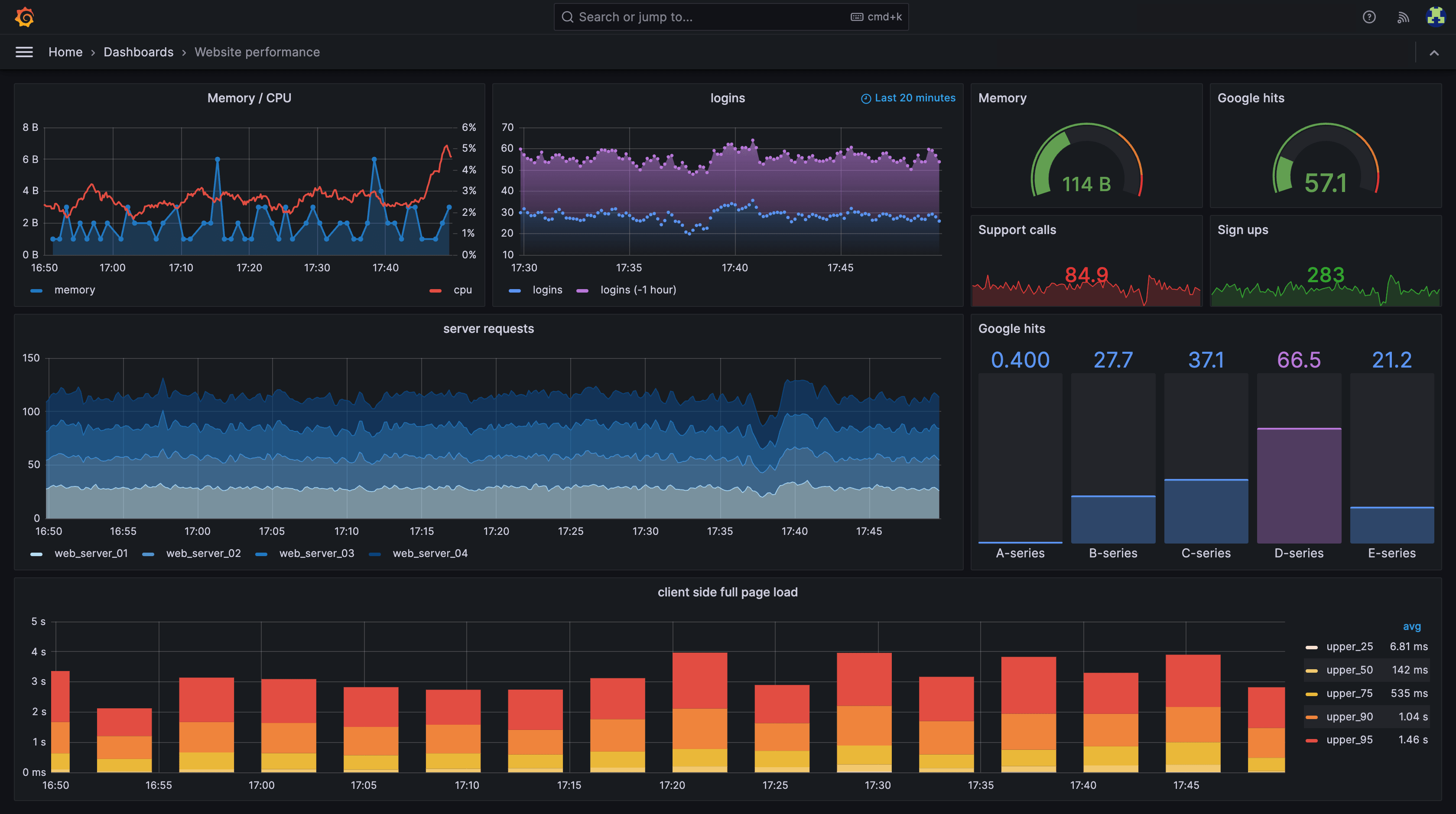
A new vulnerability in Grafana, dubbed 'GrafanaGhost,' exposes enterprise data to silent exfiltration via AI features. What does this mean for data security?
A recently uncovered vulnerability in Grafana, aptly named 'GrafanaGhost,' has sent ripples through the enterprise security community. This flaw, identified by Noma Security Inc., allowed for the silent exfiltration of sensitive data through the platform's AI features. The discovery raises urgent questions about the safeguards in place for AI-driven tools widely used in enterprise environments.
The GrafanaGhost Threat
Grafana, a popular open-source platform for monitoring and observability, has been trusted by enterprises globally. The GrafanaGhost vulnerability, however, reveals an unsettling gap that attackers could exploit. This flaw bypassed both client-side protections and AI guardrails, potentially enabling malicious actors to siphon off private data undetected.
While Grafana has been a stalwart in providing detailed insights and analytics, this incident spotlights a critical oversight. The data shows that even trusted platforms can harbor silent vulnerabilities that threaten enterprise data sanctity.
Why This Matters
Data security is important in today's digital landscape, and the GrafanaGhost incident is a stark reminder of the ever-evolving threat landscape. Enterprises need to ask themselves a pressing question: Are their current data security measures strong enough to handle sophisticated AI-driven attacks?
For businesses reliant on platforms like Grafana, the implications are significant. Trust in data security frameworks is shaken, and it's clear that relying solely on established platforms is no longer enough. Companies must proactively fortify their defenses, keeping pace with the evolving tactics of cybercriminals.
A Call to Action
This isn't just a wake-up call for Grafana users. It's a broader signal to the tech industry that AI tools, while powerful, must be rigorously scrutinized for vulnerabilities. As AI continues to integrate deeper into enterprise operations, the security protocols guarding these technologies must be equally sophisticated.
In context, the GrafanaGhost vulnerability exemplifies a gap that must be addressed. The market map tells the story, companies must evolve their security postures to protect against the silent threats lurking within AI workflows. The competitive landscape shifted this quarter, urging enterprises to prioritize data security in their strategic agendas.
Ultimately, GrafanaGhost underscores the urgent need for a proactive approach to cybersecurity. As AI-driven tools become more prevalent, enterprises can't afford to be complacent. The stakes are simply too high.
Get AI news in your inbox
Daily digest of what matters in AI.