Government Eyes AI Stakes: What's the Play?
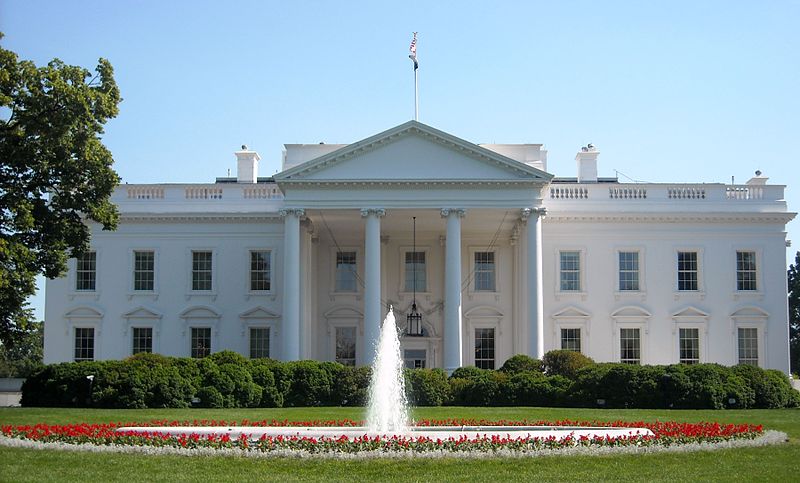
Trump administration considers taking stakes in AI giants, sparking debate on innovation and control. Are taxpayers ready for a slice of the AI pie?
In a move that could redefine the relationship between government and technology, U.S. officials are contemplating acquiring stakes in leading artificial intelligence firms. This idea, initially reported by NOTUS and later confirmed by President Donald Trump aboard Air Force One, represents a significant shift in how the federal government might engage with advanced technology sectors.
Government in the Driver's Seat?
The proposal's implications are vast. By taking stakes in AI behemoths, the government wouldn't just be an observer, but a direct participant in the AI race. This approach raises questions about innovation and control. Can a government stake strike the right balance between national interests and technological advancement? Slapping a model on a GPU rental isn't a convergence thesis, and neither is slapping government oversight on a tech company. The intersection is real. Ninety percent of the projects aren't.
Taxpayer Investment or Overreach?
Critics might argue that such a move reeks of overreach, potentially stifling the very innovation that fuels the AI sector. Yet, supporters could claim it ensures these critical technologies remain aligned with national interests. But if the AI can hold a wallet, who writes the risk model? Taxpayers might be getting a slice of the AI pie, but does that mean they're also signing up for the risk?
A New Era for AI and Policy
This potential stake acquisition isn't just about dollars and sense. It's about setting precedents and frameworks for future technology policy. With AI's growing influence over various sectors, from healthcare to finance, government involvement could steer the direction of these technologies, for better or worse. Decentralized compute sounds great until you benchmark the latency. Similarly, government stakes sound strategic until they stifle innovation.
The Trump administration's move, if executed, would mark a new chapter in U.S. technology policy. Industry AI leaders and the public alike should keep a close eye on how this develops. Show me the inference costs. Then we'll talk. The stakes are high, literally and figuratively.
Get AI news in your inbox
Daily digest of what matters in AI.
Key Terms Explained
The science of creating machines that can perform tasks requiring human-like intelligence — reasoning, learning, perception, language understanding, and decision-making.
A standardized test used to measure and compare AI model performance.
The processing power needed to train and run AI models.
Graphics Processing Unit.