Google's Search Live Redefines Real-Time Interaction
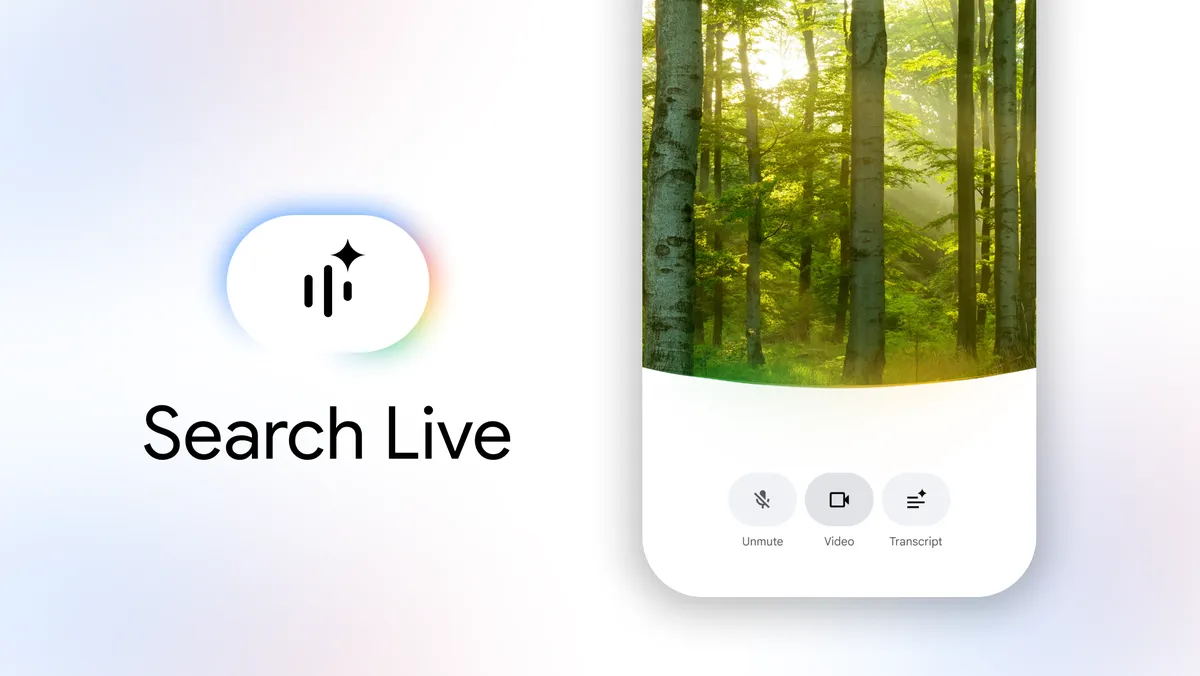
Google unveils Search Live, expanding real-time AI search via voice and camera to over 200 countries, reshaping user interaction.
Google's latest innovation, Search Live, is no ordinary feature rollout. By expanding to more than 200 countries, Google isn't just boosting its global presence. It's reshaping how users interact with search engines entirely. Integrating voice and camera inputs, the feature turns user devices into powerful real-time AI search tools. This isn't a partnership announcement. It's a convergence of technology and user experience that could redefine what's expected from search services.
Interactive Search Experience
Voice and camera capabilities in search aren’t new, but Google's widespread implementation of Search Live across its global user base is a bold step. By allowing users to interact with their devices more naturally, Google is pushing the boundaries of traditional search. Imagine standing in a foreign city, pointing your phone at an unfamiliar landmark, and instantly receiving a wealth of information through AI-driven insight. This could be a big deal for travelers, educators, and tech enthusiasts alike. But beyond the obvious utility, the feature's real allure lies in its potential to transform search into a deeply interactive experience.
Implications for AI and User Privacy
The AI-AI Venn diagram is getting thicker. With Search Live, Google leverages its advancements in machine learning and image recognition, creating a smooth interface for users. However, this evolution raises critical questions about data privacy and security. If agents have wallets, who holds the keys? Google's massive data collection capability could lead to concerns over user data being harvested without adequate transparency. For a company that holds such a significant share of the search market, ensuring user trust through solid privacy measures is important.
Global Impact and Future Prospects
As Google rolls out Search Live, it's positioning itself at the forefront of the next wave of technological innovation. For many countries, especially those with limited access to advanced technology, this feature could bridge the digital divide, providing users with unprecedented access to information. But does this mean Google will redefine what it means to be a digital citizen? And as it continues to blur the lines between the digital and physical worlds, what new capabilities will emerge next? The compute layer needs a payment rail, and perhaps Search Live is just the beginning of further digital infrastructure integration.
Get AI news in your inbox
Daily digest of what matters in AI.