Google's AI Defense: Battling Machine-Speed Cyber Threats
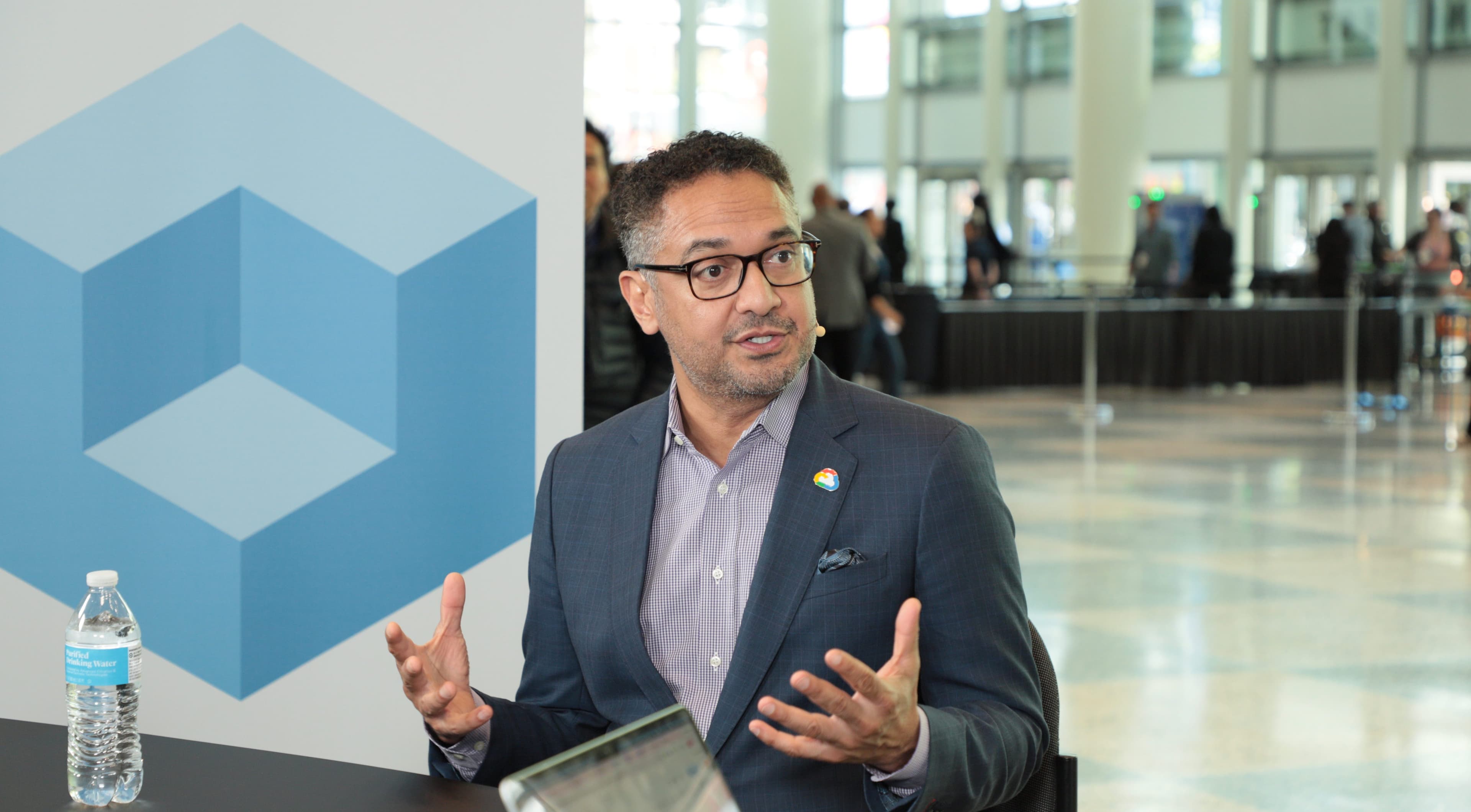
AI is revolutionizing cyber resilience with Google at the forefront, redefining strategies to combat machine-speed threats in a rapidly evolving digital battlefield.
Cyber threats are evolving at an unprecedented pace, with artificial intelligence reshaping the landscape. Google is stepping into this new battleground with a revamped security strategy that leverages AI to counter machine-speed attacks. The transformation isn't just technological, it's redefining the rules of engagement in cybersecurity.
The AI Arms Race
Google's entrance into this AI-centric defense strategy highlights a critical shift. The old model, where attackers needed extensive technical knowledge, is disappearing. Today, AI turbocharges cyber threats, making sophisticated attacks accessible to a broader, less-skilled audience. This democratization of cyber capabilities is reshaping how enterprises need to think about defense.
Google Cloud's approach is about more than just tech. It's about anticipating the speed and scale of attacks AI can unleash. If the AI can hold a wallet, who writes the risk model? Enterprises are grappling with this conundrum as they fortify their defenses against increasingly sophisticated adversaries.
Redefining Defensive Playbooks
Incorporating AI into cybersecurity isn't just about deploying more tech to solve tech problems. It's about building a dynamic, adaptive defense system that learns and evolves. Google is betting big on this strategy, emphasizing resilience over reaction. Traditional defenses just can't keep pace with the speed of AI-driven threats.
Yet, this reliance on AI for defense raises pressing questions. Can AI truly predict and counter its own kind in a cyber arms race? Or is this just another case of slapping a model on a GPU rental without a solid convergence thesis? The intersection is real. Ninety percent of the projects aren't.
Implications for the Enterprise
For enterprises, the implication is clear: adapt or risk becoming obsolete. Security strategies must evolve beyond static threat detection. They need to embrace AI's capabilities while staying mindful of its limitations. Google's strategy serves as a blueprint, albeit an ambitious one, for how organizations should approach security in this AI-infused era.
Decentralized compute sounds great until you benchmark the latency, and in cybersecurity, timing is everything. The stakes are high, and the risks are real, but those who can harness AI's potential without falling into the vaporware trap will lead the way in this new digital frontier.
Get AI news in your inbox
Daily digest of what matters in AI.
Key Terms Explained
The science of creating machines that can perform tasks requiring human-like intelligence — reasoning, learning, perception, language understanding, and decision-making.
A standardized test used to measure and compare AI model performance.
The processing power needed to train and run AI models.
Graphics Processing Unit.