Global Oil Release: A Short-Term Relief or Strategic Gamble?
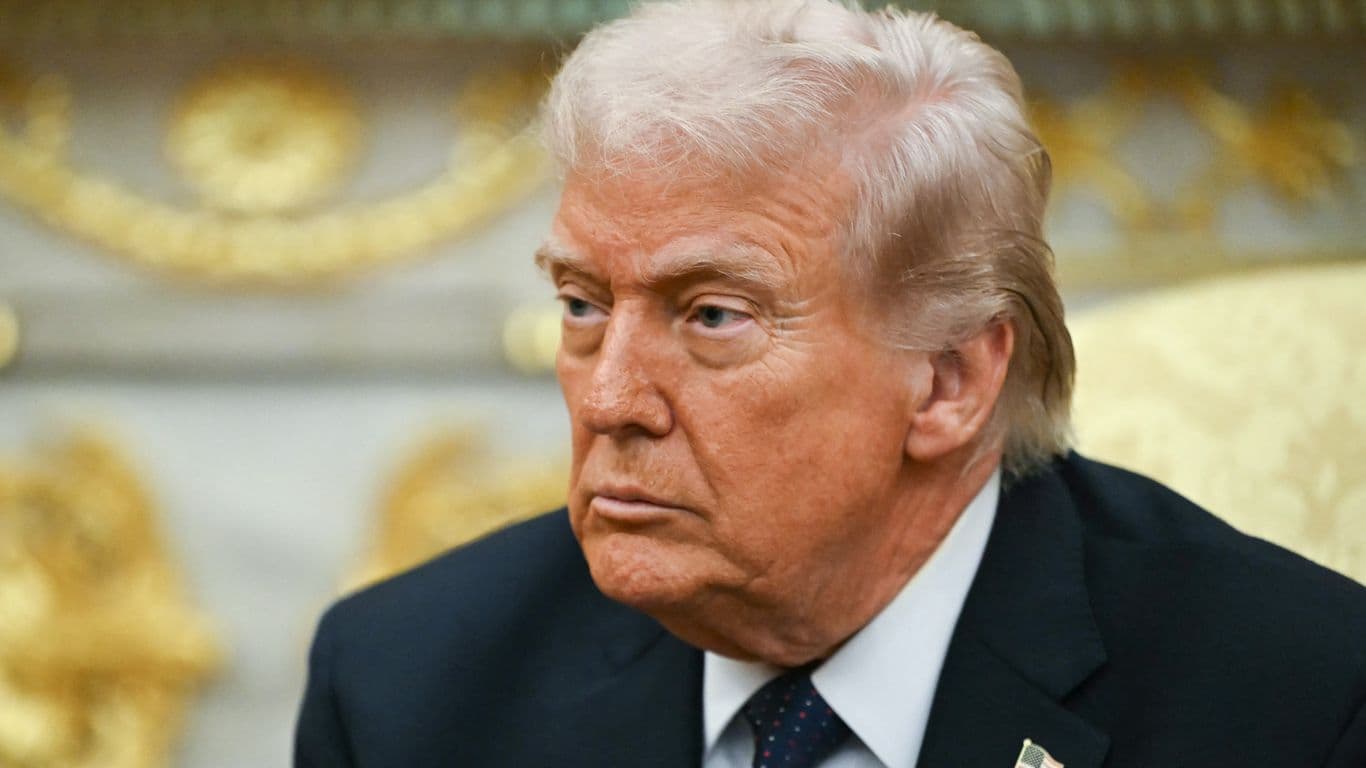
The IEA's agreement to release 400 million barrels of oil aims to cushion rising fuel prices. But with reserves at historic lows, is there more risk than reward?
The International Energy Agency's recent "unanimous" agreement to release 400 million barrels of oil and refined products from reserves, following a request from President Trump, is making headlines. Energy Secretary Chris Wright announced the decision, aiming to mitigate the pain consumers are feeling at the pump. Yet, the move raises more questions than it answers.
Immediate Impact on Oil Prices
Despite the announcement, oil prices surged again, with Brent crude jumping over 8% to exceed $100 per barrel. This increase undermines the intended effect of the release, highlighting the volatile nature of global oil markets. On March 8, crude prices reached triple digits, a threshold not seen since 2022, mainly due to disruptions caused by the Iran conflict, which has affected 20% of the global oil supply.
Strategic Petroleum Reserve: A Double-Edged Sword
Trump authorized the release of 172 million barrels from the Strategic Petroleum Reserve, scheduled to begin next week. The oil will reportedly take 120 days to deliver, a timeline that doesn't promise immediate relief. Wright assures that the U.S. plans to replenish the reserves with 200 million barrels over the next year, but can this assurance ease concerns about depleting national reserves?
As of March 6, the reserve holds about 415 million barrels, alarmingly close to its lowest level in decades. Trump's decision to draw down 41.4% of these reserves poses a strategic question: is the short-term price reduction worth the potential long-term vulnerability?
Political and Economic Ripples
The timing of this decision isn't just economic. With 2026 midterm elections looming, Republicans are keen on offsetting fuel price hikes to gain favor with voters. Yet, are such temporary measures sustainable, especially when past actions, like Biden's 2022 release, are still fresh in memory?
The administration's moves extend beyond oil releases. From considering Navy escorts for tankers in the Strait of Hormuz to offering insurance for ships navigating the region, the strategies indicate a multi-faceted approach to a complex issue. However, it's unclear how effective these measures will be in the turbulent geopolitical climate.
Looking Ahead: A Balancing Act
As Trump boldly claimed during his recent visit to Ohio and Kentucky, "We'll reduce it a little bit, and that brings the prices down." Yet, the broader economic implications can't be ignored. The reserve acts as a buffer against global shocks, and drawing it down could leave the U.S. exposed to future crises.
Japanese manufacturers are watching closely. The delicate balance between stabilizing current markets and maintaining future security presents a critical challenge. Will this maneuver bring the relief consumers desperately need, or does it merely delay inevitable hardships?
Get AI news in your inbox
Daily digest of what matters in AI.