Germany's AI Safety Gambit: A Move from Dependency to Autonomy
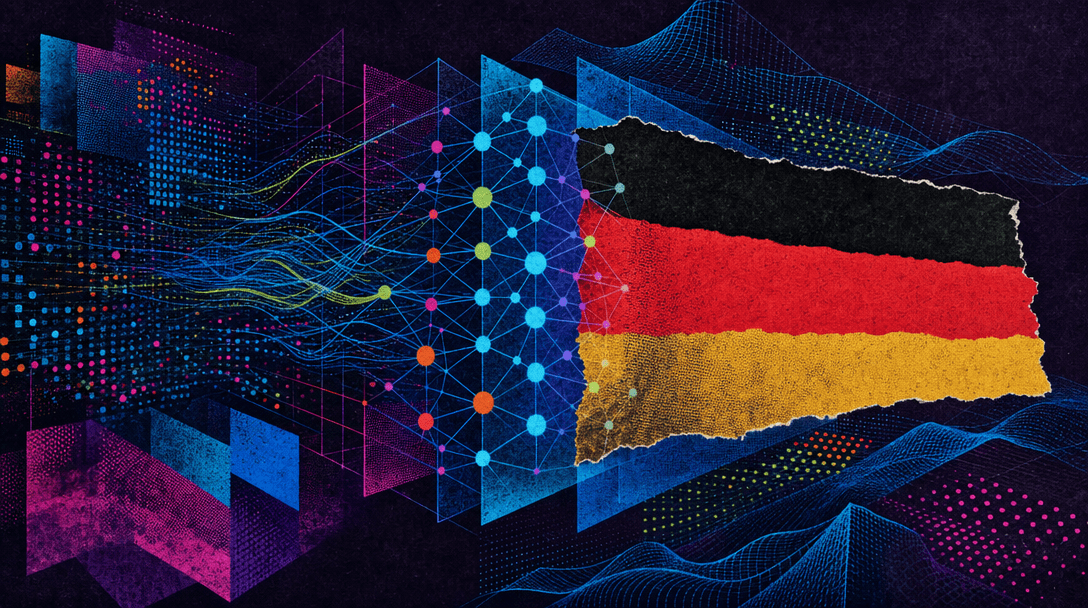
Germany plans an AI security institute to test and secure AI models. A step towards self-reliance in a tech world dominated by the US and China.
Germany's National Security Council has decided to set up an AI safety institute. Dubbed 'DE-AISI', this initiative aims to assess AI models from companies like Anthropic and OpenAI for potential security threats. It's a nod to the UK's earlier effort but with a distinct European twist.
The Dependency Dilemma
As the EU finds itself stuck in a tech tug-of-war, largely relying on US and Chinese AI advancements, this move is both a necessity and a statement. The reliance on US tech giants and their deep ties to their respective governments is a precarious position for any nation, let alone a union. Germany's decision is a step toward loosening those bonds, creating a more autonomous tech future.
Security, Sovereignty, and Strategy
The optics of a new AI safety institute can't be overstated. It's a strategic maneuver, not just a tech play. One must ask: can Germany, and by extension the EU, really afford to be passive players in the AI race? The lack of homegrown AI models leaves Europe dependent, a scenario ripe for exploitation and economic vulnerability. Naturally, a country with Germany's industrial clout recognizes the absurdity of sitting on the sidelines.
Let's be clear: establishing DE-AISI isn't merely about safety. It's about sovereignty. In an era where data is the new oil, securing and understanding AI technology is as vital as any military defense or economic policy. The press release probably called it innovation, but the real story is one of necessity and self-preservation.
A Move Toward Autonomy
By leaning into AI security, Germany positions itself to better understand and eventually develop its own frontier models. This isn't just a tech story but a geopolitical one. In a world where technology and politics increasingly intertwine, expecting any major economy to remain content with technological dependency is folly.
The real question is whether Germany can turn this initiative from a mere imitation of the UK into a distinctive force that propels Europe into the AI future. Are we witnessing the birth of a new era in EU tech policy, or is this just another bureaucratic apparatus doomed to lag behind its transatlantic counterparts?
I've seen enough to know that underestimating Germany would be a mistake. But spare me the roadmap. The execution will be the true test.
Get AI news in your inbox
Daily digest of what matters in AI.