From Science Fiction to Reality: The Complex Art of Robotic Touch
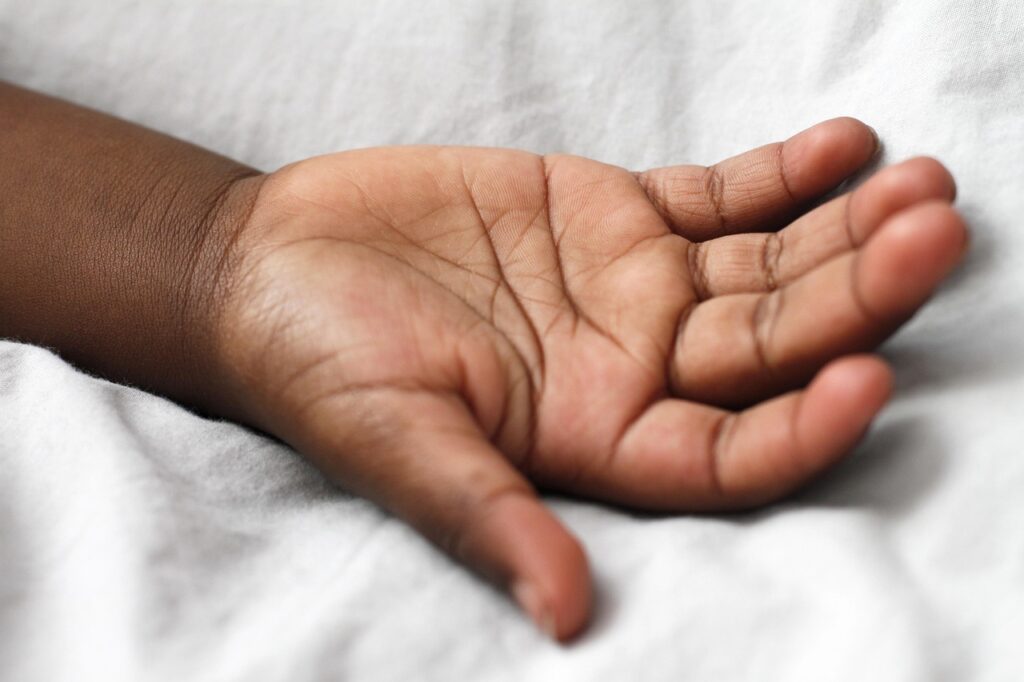
As robots increasingly step into roles demanding a sense of touch, replicating human tactile sophistication proves challenging. With soft robotics and sensorized bodies, AI explores the intricate dynamics of touch.
Robots capturing the public imagination today, with their ability to see and navigate, feel almost like science fiction come to life. Yet, the delicate art of touch, robots still grapple with limitations. As we push the boundaries of robotic capabilities, understanding the complexity of human touch remains a daunting task.
Why Human Touch is Hard to Replicate
The human sense of touch goes far beyond a simple map of pressures. Our skin is equipped with various mechanoreceptors, each responding uniquely to stimuli like vibration and texture. This makes our tactile perception remarkably nuanced. But can a machine ever truly grasp this complexity? Engineers might replicate fingertip sensitivity, but scaling this across a robot's body while interpreting sensory data remains an enormous challenge.
Even more fascinating is the concept of intelligence distributed beyond the brain. Take the octopus, for example. With most of its neurons dispersed throughout its limbs, an octopus demonstrates a type of intelligence that emerges from the interplay of its body and environment. This approach could transform robotics, infusing machines with a form of embodied intelligence where the body and sensors work in tandem.
The Potential of Touch-Enabled Robots
Consider the role touch plays in human development. Tactile sensitivity emerges in the womb, forming our first connection with the physical world. Robots, currently reliant on visual sensors like cameras and lidars, are missing this essential aspect of learning. Without touch, can they ever reach human-like competence in handling the physical world?
This is where the next frontier lies. By providing robots with sensorized bodies, we can start to replicate the tactile learning that humans experience. This isn't just about deploying pre-programmed intelligence. It's about fostering genuine learning through touch.
Towards a Future of Compassionate Machines
The implications for healthcare are profound. Imagine a robot like Mona, a simulator developed to train occupational therapists, which uses tactile sensors to replicate nuanced human interactions. Such machines could revolutionize care, especially as populations age, offering support where untrained family members currently struggle.
But, why has progress in care robots been so sluggish? High costs, stringent safety standards, and an unclear commercial path play significant roles. Yet, the potential benefits are too significant to ignore. As robots become sensitive to their physical interactions, a new generation of compassionate, touch-enabled machines could change the face of caregiving, making the dream of home-based care a reality for many.
In the end, building robots that truly understand touch doesn't just challenge our technical prowess. It forces us to appreciate the serene complexity of our own biological systems, highlighting the intricate dance between sensation, movement, and intelligence.
Get AI news in your inbox
Daily digest of what matters in AI.