Fitbit Air: Minimalist Tracking in an AI-Driven World
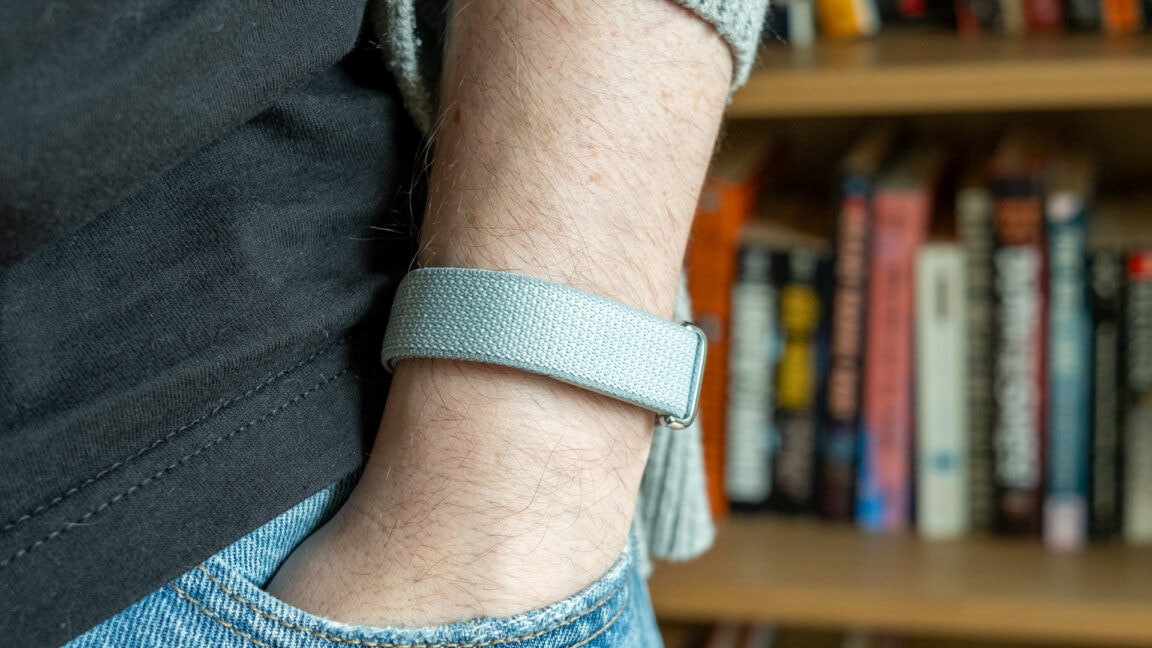
Google's $100 Fitbit Air ditches screens for simplicity but relies heavily on AI. Is this the minimalist future of wearables?
We've all seen the trend: smartwatches cramming more features into our wrists, often overwhelming users with unnecessary data and notifications. Enter Google's $100 Fitbit Air, a device that strips away the noise, leaving behind a minimalist puck with just health sensors. There's no screen, no speaker, just a lone LED to indicate battery life. It's a bold move in a market obsessed with more instead of less.
The Bare Essentials
Fitbit Air's lack of a display might seem like a step backwards, but it's intentional. With no screen to demand attention, users can focus on what matters: tracking health without distractions. Double-tap to check battery status. That's it for on-device interaction. It's a reminder that sometimes, less really is more.
The Air also skips notification sync. Without a screen, a buzzing wrist is just noise without context. Google's choice to forego these features aligns with its broader vision of integrating AI into health platforms. It raises a question: in a world driven by AI, do we need every gadget to be a multi-tool?
Design and Practicality
The design is as simple as it gets. The stock Performance Band, made of smooth polyester yarn, is durable but absorbs moisture. For swimmers or gym enthusiasts, the silicone active band might be preferable. It hides the Air puck and offers a sportier look. It's not about fashion, it's about function.
Google's reliance on AI to underpin this device suggests a shift. AI integration isn't just an add-on. It's the core. But if the AI can hold a wallet, who writes the risk model? Are we comfortable with machines interpreting our health data?
The Bigger Picture
Google's strategy with Fitbit Air isn't about competing on features. It's about redefining the role of wearables. By focusing on health data and AI, they're betting on a future where less invasive, data-driven insights matter more than flashy screens. This could be the start of a trend where digital minimalism becomes as important as technological advancement.
As fitness trackers evolve, it's clear that the intersection of AI and wearable tech is real. Ninety percent of the projects aren't. The Fitbit Air might just be part of the ten percent that's. But without a screen, will users feel they're getting value? That's the gamble Google's taking.
Get AI news in your inbox
Daily digest of what matters in AI.