Figma and OpenAI Join Forces: A New Era for Designers and Coders
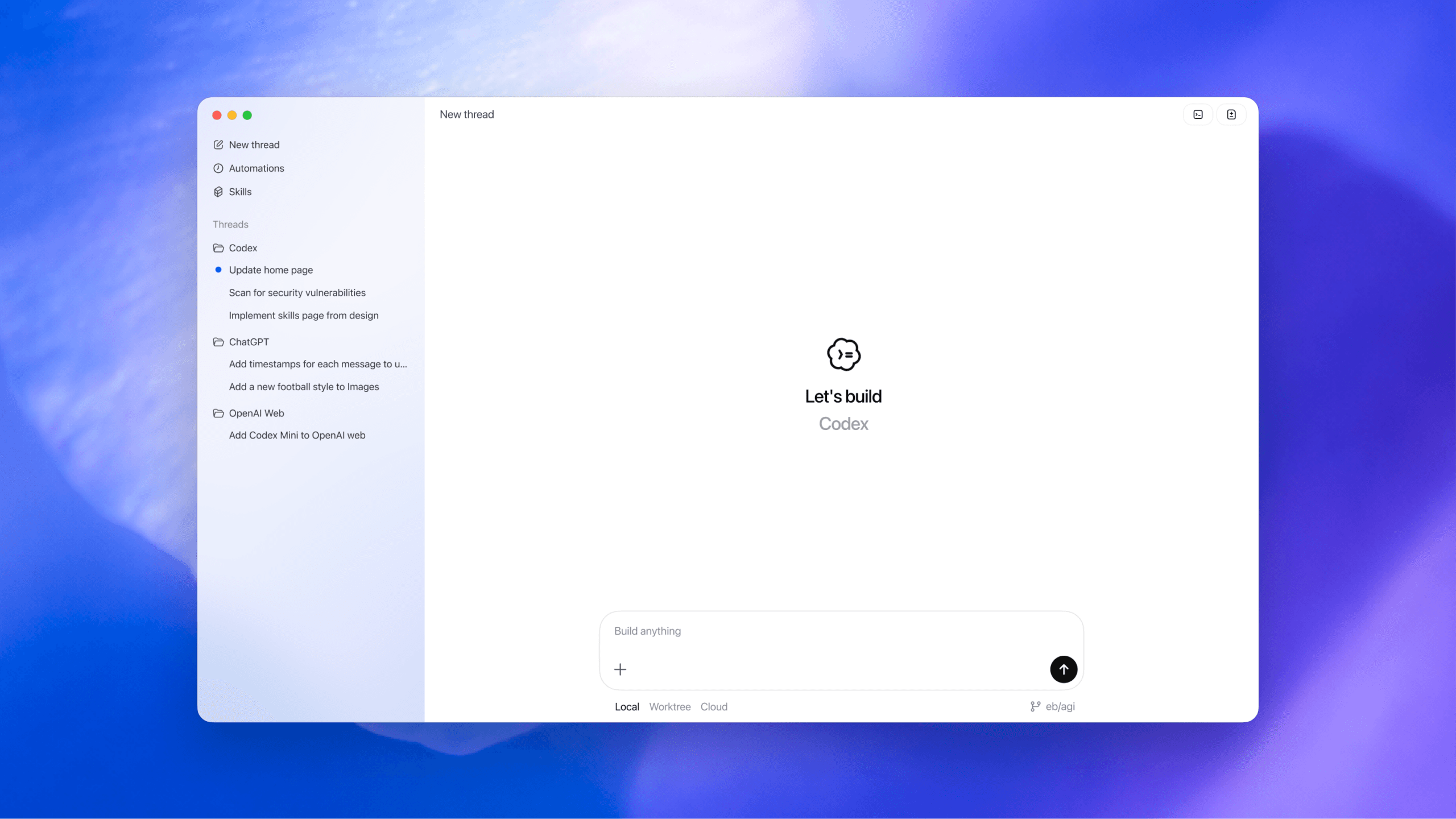
Figma and OpenAI's new integration with Codex is reshaping the design world, bridging the gap between creativity and code. This collaboration could redefine how designers work, fostering innovation and efficiency.
If you're just tuning in, Figma and OpenAI are shaking up the design world with a groundbreaking integration of Codex, a powerful AI coding tool, directly into Figma's design platform. This link could be a breakthrough for designers and developers alike, making the transition from design to code smoother than ever.
A easy Connection
Here's the gist: Figma's design platform is beloved by creatives for its intuitive interface and real-time collaboration capabilities. Now, thanks to OpenAI's Codex, designers can generate code snippets directly within Figma. This essentially streamlines the workflow, reducing the need for separate coding stages and allowing for more immediate implementation of design ideas.
Why does this matter? Well, for one, it empowers designers who might not be coding wizards to bring their visions to life without having to leave their design environment. Codex, which is built on the same AI technology that powers ChatGPT, understands natural language commands and translates them into code. This can significantly cut down the time traditionally spent on back-and-forths between design and development teams.
Efficiency Meets Creativity
In plain English, this integration is about efficiency and creativity. By breaking down the barriers between design and code, Figma and OpenAI are fostering an environment where creative ideas can be tested and iterated upon much faster. This is a big deal in industries where time-to-market is essential.
The bottom line is that this could lead to a surge in innovation. Imagine the potential for startups and small businesses where resources are limited. With Figma and Codex, the ability to prototype and refine ideas quickly and cost-effectively is a huge advantage.
Looking Forward
So, what's next? While it's early days for this integration, the potential is undeniable. Could this be the beginning of the end for the traditional handoff from designer to developer? Possibly. The real question is, how will this impact the demand for coding skills in design teams? While Codex won't replace skilled developers, it may shift their roles towards more complex tasks, leaving routine code generation to AI.
Bear with me. This matters. As AI continues to weave its way into creative processes, the lines between different roles in tech are blurring. This Figma-Codex collaboration might just be the start of something bigger, pushing the boundaries of what's possible when design meets AI directly.
Get AI news in your inbox
Daily digest of what matters in AI.