Fast-Tracking Security: A Double-Edged Sword in AI Compliance
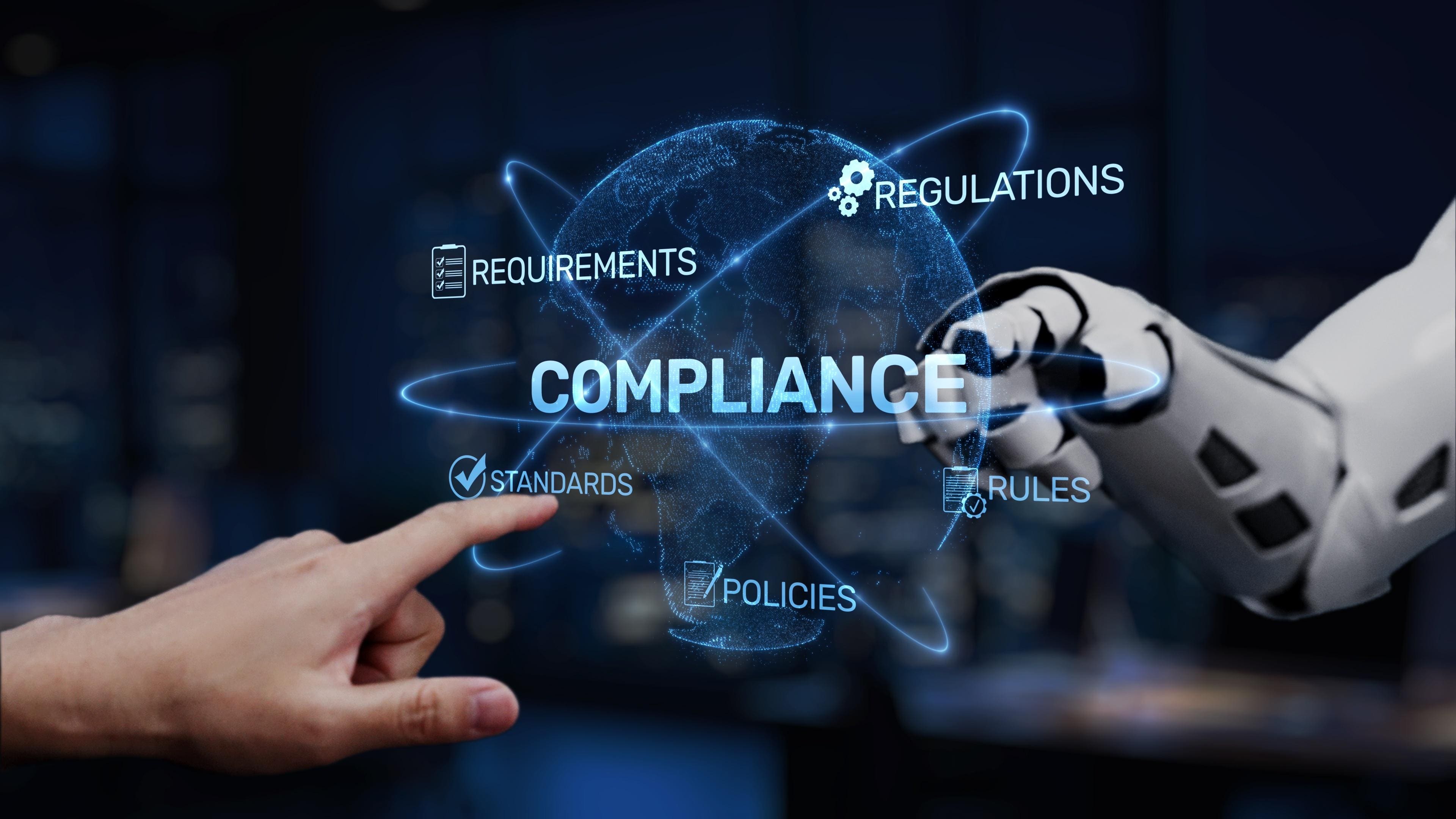
As AI-driven automation advances, so do the risks associated with fast-tracked security and compliance. The False Claims Act emerges as a critical factor.
In the race to harness AI's potential, security and compliance have become more than just line items in corporate budgets. The drive for rapid automation, propelled by AI, inevitably brings both innovation and risk. As companies seek to integrate AI solutions more swiftly, they're often tempted to cut corners on security protocols. That may soon prove costly.
AI-Driven Automation: A Blessing or a Curse?
AI-driven automation is revolutionizing industries across the globe. But, as with any revolution, there's fallout. While automation promises efficiency and cost savings, it also opens the door to vulnerabilities that weren't as prevalent in manual systems. The pace at which these systems are being implemented doesn't always allow for thorough vetting, leaving potential gaps that could be exploited. The question isn't if, but when these risks will surface.
The Legal Landscape: The False Claims Act
Enter the False Claims Act, a piece of legislation that could serve as both a deterrent and a remedy for compliance lapses in the AI field. This act allows the government to hold companies accountable for fraudulent claims, and with AI-driven processes, the lines between intentional fraud and oversight are blurring. As the number of AI applications grows, so does the potential for misrepresentation, even if unintentional.
Given this backdrop, companies should be asking, 'Are we truly prepared for the legal ramifications of fast-tracking AI compliance?' Cutting costs on compliance today could mean spending magnitudes more on legal battles tomorrow. Between penalties and damaged reputations, the costs could be significant.
Strategic Compliance Over Speed
A strategic approach to compliance that prioritizes thoroughness over speed is imperative. This means investing in comprehensive risk assessments and ensuring that AI implementations are transparent and auditable. The Gulf, with its penchant for writing checks that Silicon Valley can't match, may find itself leading in this sphere too, setting a precedent for how AI compliance should be managed.
In the end, the rush to integrate AI must be balanced with the need for solid security and compliance measures. After all, what's the use of new technology if it's built on shaky ground?
Get AI news in your inbox
Daily digest of what matters in AI.