Europe's AI Dilemma: Leading in Talent, Lagging in Ownership
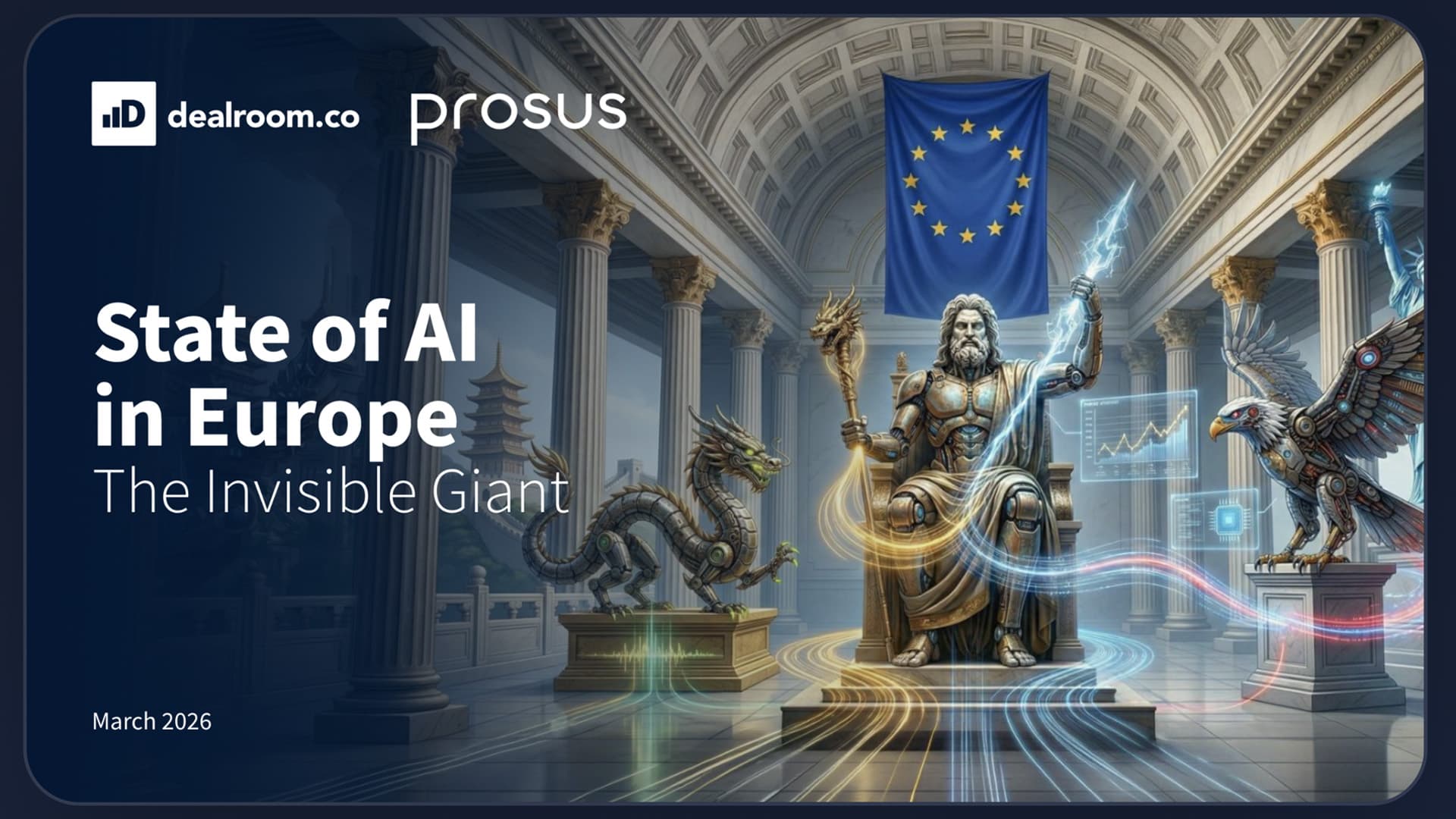
Europe's AI sector shows promise with top talent and adoption rates, yet lacks ownership over critical platforms, leaving a gap that American investors eagerly exploit.
Europe stands at a curious junction artificial intelligence. It boasts remarkable talent and impressive adoption rates, rivaling those of the United States. Yet, there's a significant drawback. Europe scarcely owns the platforms it heavily relies on. A recent report by Prosus and Dealroom highlights this paradox, pointing to deep-rooted issues like inadequate infrastructure and piecemeal regulations. The result? A funding gap that sees Europe's most promising startups snapped up by American investors. Bridging this gap is no small feat.
Infrastructure and Regulation: The Achilles' Heel
While Europe's AI talent is undeniable, the continent struggles with inconsistent infrastructure and fragmented regulatory landscapes. It's a tale of two Europes, where ambition meets bureaucracy. This disjointed approach stifles growth and innovation, preventing the region from competing on a global scale. One must ask, how can Europe maintain its talent leadership while ceding control of its platforms to foreign powers?
The licensing race in Hong Kong is accelerating, showing the importance of cohesive regulation. Europe could take a page from Asia’s playbook, where regulatory clarity often paves the way for rapid AI advancements. But does Europe have the political will to make easier its regulatory framework? Without it, the continent risks falling further behind.
Funding and Ownership: The American Advantage
Here's the crux of the issue: Europe’s best startups often find financial backing beyond its borders. American investors, ever opportunistic, capitalize on this gap, securing equity and influence over key technologies. This dynamic raises a important question. Can Europe truly lead in AI if it's essentially funding the growth of foreign ecosystems?
Capital flows tell a clear story. The money isn't leaving AI. It's leaving Europe's jurisdiction. Until Europe can offer competitive funding and ownership opportunities, it will continue to see its top innovations exported. This isn't just a missed opportunity. It's a strategic oversight.
The Path Forward
Europe has the talent and the ambition. What it needs now is a strategic vision and a unified market. Tokyo and Seoul are writing different playbooks, learning from both Western and Asian models. Europe might do well to follow suit, creating an environment where its talent can thrive without feeling the need to look overseas for growth.
Will Europe rise to the challenge? The answer remains in its ability to unify and innovate within its own borders. Until then, it continues to lead in talent while lagging in ownership, a paradox that neither benefits Europe nor the global AI industry.
Get AI news in your inbox
Daily digest of what matters in AI.