Ethical AI Models: A Military Dilemma
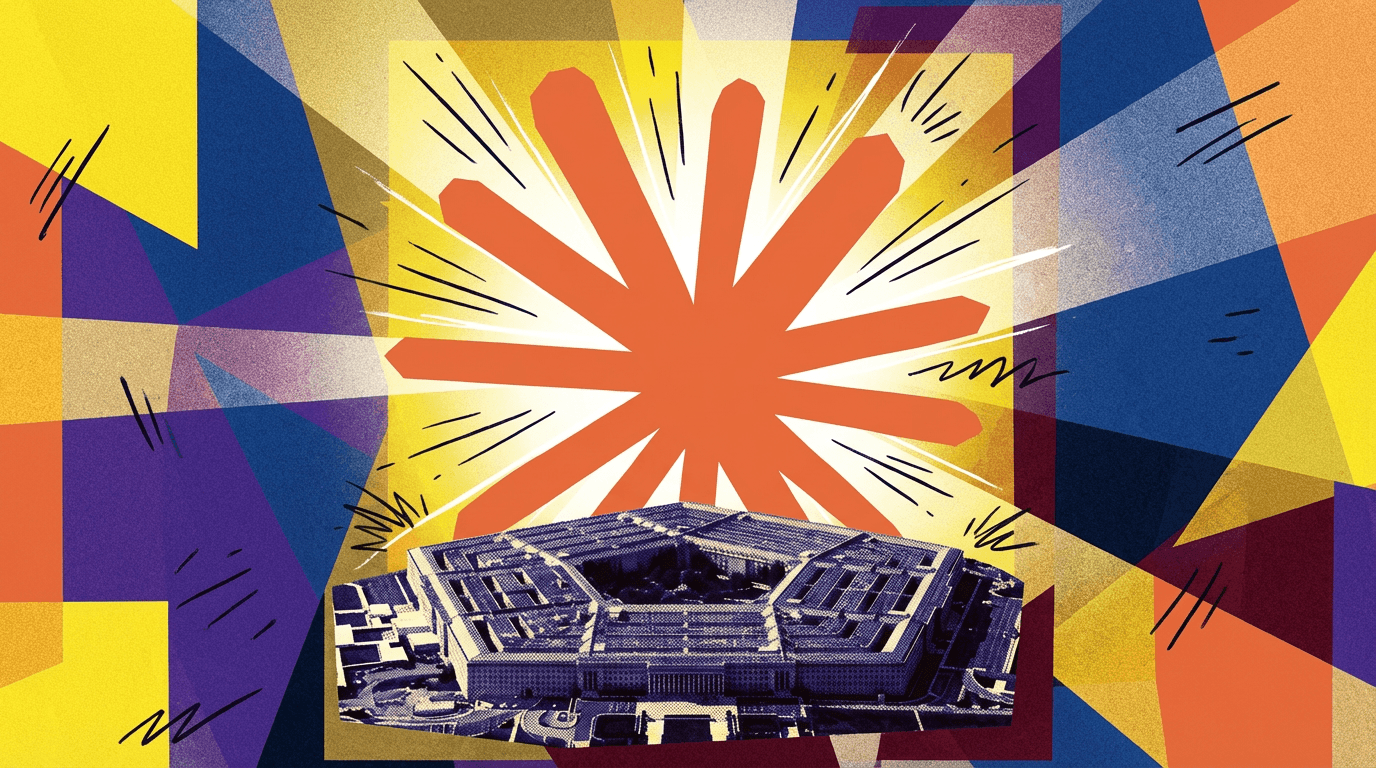
The Pentagon eyes a ban on Anthropic's AI models for being 'too ethical.' A surprising move that echoes global AI governance debates.
In a move that raises eyebrows across the AI community, the US Department of War is considering banning Anthropic's AI models, specifically Claude, from its supply chain. The reason? They're deemed as 'too ethical'. This controversial stance mirrors the kind of political control over AI seen in countries like China, sparking a debate on the role of ethics in military AI applications.
Too Much Ethics?
The core of the issue lies in the ethical framework embedded within Anthropic's models. These are designed to prioritize ethical decision-making over, perhaps, strategic military advantage. For a department concerned with war outcomes, the idea of an AI second-guessing decisions based on ethics could be seen as a liability. But is that the right call?
One has to wonder: in a world where AI is increasingly integrated into defense and combat systems, how much ethical consideration is too much? If the AI can hold a wallet, who writes the risk model? The Pentagon seems to suggest that ethical AI might conflict with their operational objectives. That’s a slippery slope.
A Global Governance Echo
By considering a ban, the US echoes a more authoritative stance, akin to China’s approach to AI governance. This move could signify a shift in how the US views AI control, potentially stifling innovation under the guise of security. Are we witnessing the start of a global realignment in AI ethics where strategic advantage trumps moral guidance?
Decentralized compute sounds great until you benchmark the latency. Ethical AI sounds noble until it possibly inhibits decision-making in critical situations. There's a delicate balance between maintaining ethical standards and ensuring that AI complements military efficiency.
What’s the Real Cost?
The decision to potentially cut Anthropic’s models from the supply chain underscores a broader question about the role of AI ethics in national security. Show me the inference costs. Then we'll talk. If ethical AI is seen as a pollutant, does this mean the military is prioritizing efficiency over morality? The intersection is real. Ninety percent of the projects aren't.
Ultimately, the implications of this decision extend beyond the military. It challenges the AI industry to rethink how ethics are integrated into their models without sacrificing functionality. For now, the debate continues as stakeholders on all sides weigh the potential risks and rewards.
Get AI news in your inbox
Daily digest of what matters in AI.
Key Terms Explained
An AI safety company founded in 2021 by former OpenAI researchers, including Dario and Daniela Amodei.
A standardized test used to measure and compare AI model performance.
Anthropic's family of AI assistants, including Claude Haiku, Sonnet, and Opus.
The processing power needed to train and run AI models.