Emanuel's AI Bet: Education Over Detention
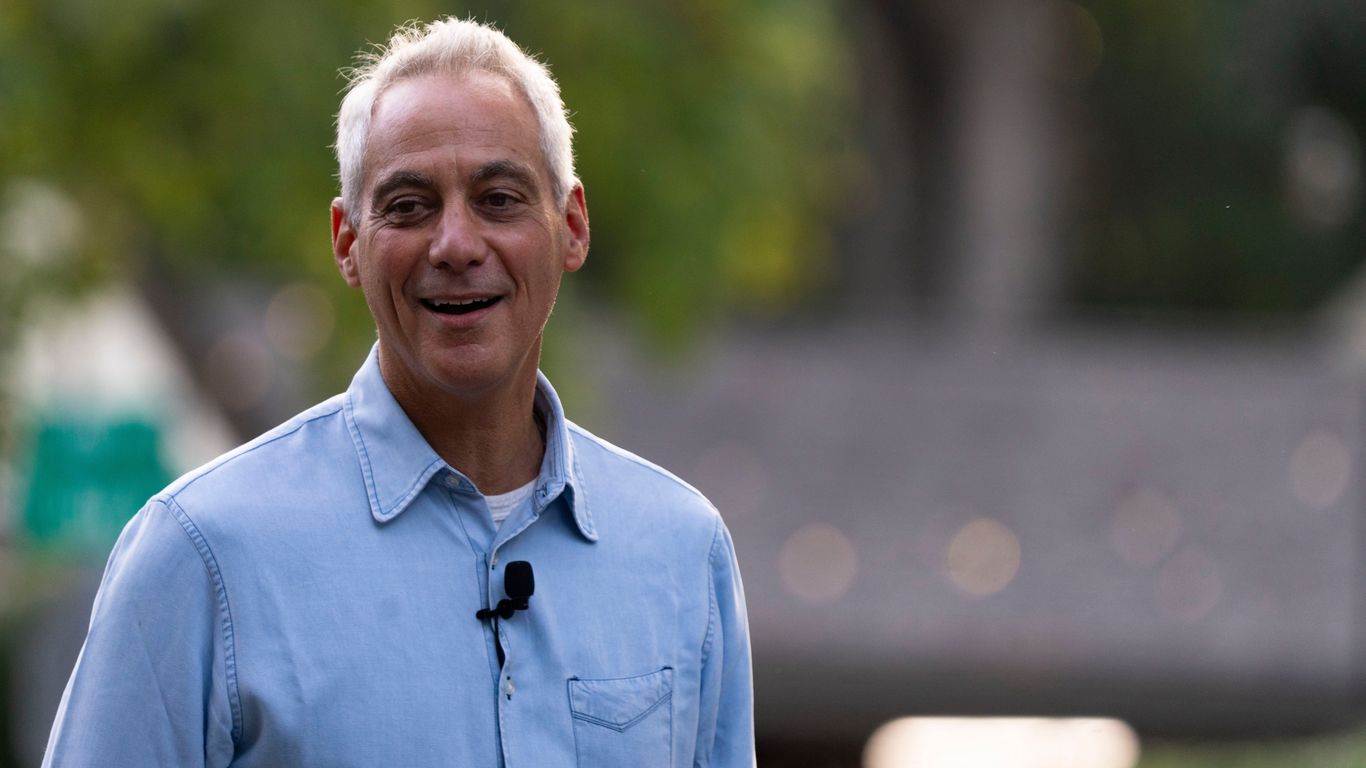
Rahm Emanuel proposes reallocating billions from ICE facilities to community colleges, focusing on AI's impact on jobs. His early policy move eyes the 2028 election.
Rahm Emanuel, known for his tenure as Chicago's mayor and as a prominent political figure, is making waves with a bold proposal: redirecting billions intended for new ICE facilities into community college funding. This plan is more than just a policy suggestion. It's a strategic move aimed at addressing the shifting employment landscape as artificial intelligence continues to alter job markets.
The Proposal
Emanuel's proposal calls for diverting 20% of the $38.3 billion earmarked by the Trump administration for ICE detention centers to community colleges. He argues education should be prioritized over detention, especially in an era where AI is poised to reshape employment opportunities. Emanuel sees community colleges as turning point to preparing Americans for middle-class jobs in this changing environment.
"The explosive growth of AI demands a response," Emanuel stated, highlighting the key role of the nation's over 1,000 community colleges in workforce preparation. His plan will be spotlighted on ABC's "The View" and through visits to four educational institutions in South Carolina, a key state in Democratic primaries.
Political Strategy
Emanuel, currently out of office, is no stranger to political maneuvering. With a potential 2028 presidential run on the horizon, he's laying the groundwork with a series of policy proposals. From banning social media for minors to mandating retirement for federal officeholders at age 75, Emanuel is positioning himself as a forward-thinking candidate ready to tackle tomorrow's challenges.
But what sets Emanuel apart? While others are busy with their current political roles, he's carving out a niche by addressing long-term issues like education in the age of AI. Will this early focus on policy give him an edge?
Historical Context
Emanuel's push for community college investment isn't without precedent. During his time as Chicago's mayor, he expanded access to college credits for high school students and championed free community college for high-performing students. He also encouraged campuses to tailor programs to regional industry needs.
This approach, if adopted nationwide, could significantly impact the workforce by creating pipelines of skilled workers aligned with local job markets. Emanuel also urges local businesses to partner with community colleges, suggesting they help design curricula and offer real-world learning opportunities. It's a collaborative model that could strengthen ties between education and employment.
Final Thoughts
Emanuel's proposal raises an important question: In a future dominated by AI, shouldn't education be at the forefront of national policy? By investing in community colleges, Emanuel argues, the country can better equip its workforce for the challenges ahead. As the political landscape heats up, his focus on education may not only attract voters but also frame the debate for the upcoming election cycle.
Get AI news in your inbox
Daily digest of what matters in AI.