Dopamine's Role in AI and Neuroscience: A Dance of Discovery
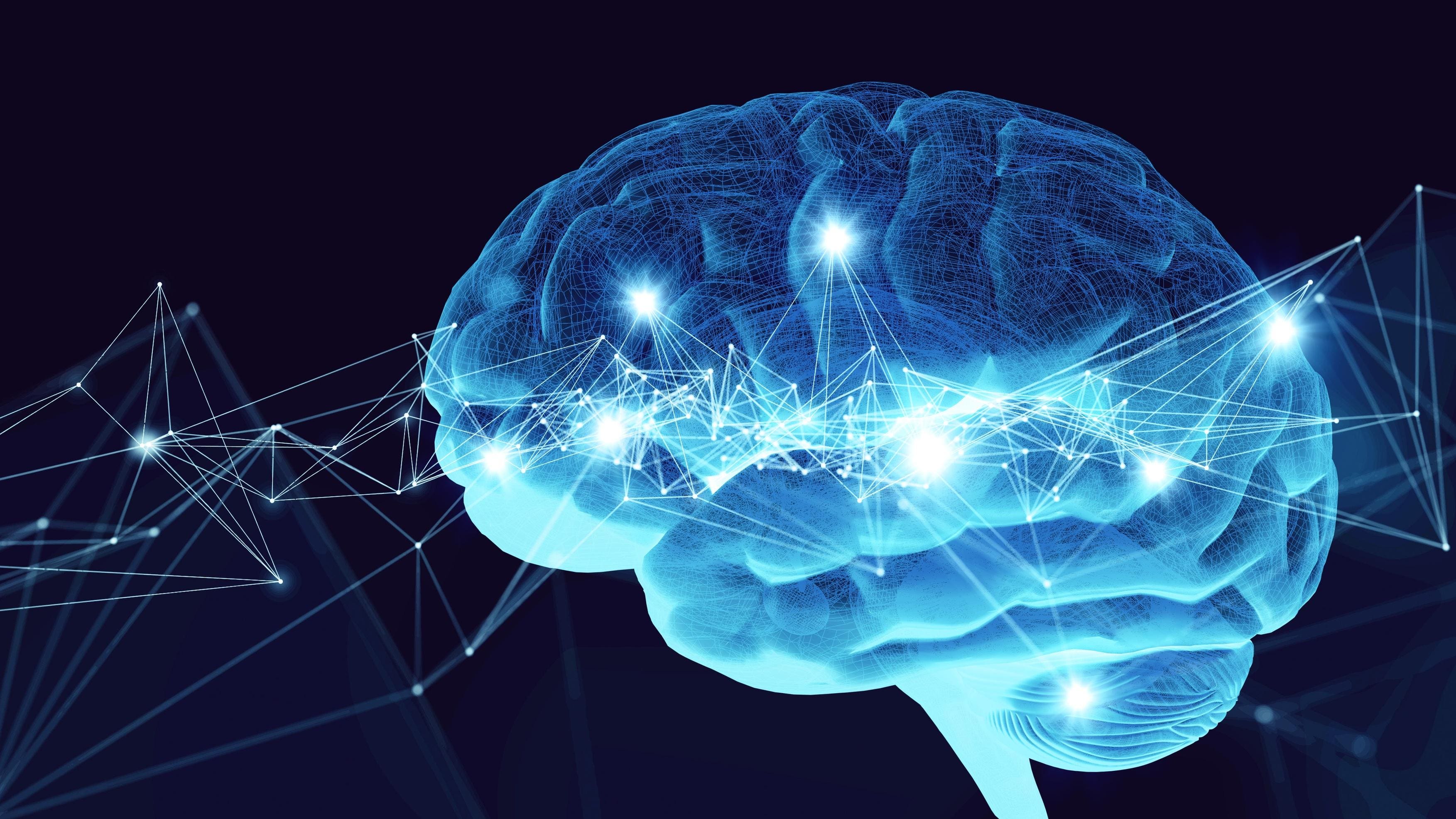
Recent advances connect dopamine's influence on behavior with AI-driven brain insights, sparking a new era of exploration. What does this mean for neuroscience?
Dopamine, a neurotransmitter often associated with pleasure and reward, is increasingly being recognized for its role in a range of human behaviors and disorders. Recent research highlights its significant influence on spontaneity, movement disorders, and probabilistic behavior. The intersection of these findings with AI-driven brain research could herald a new era of understanding in both neuroscience and artificial intelligence.
Dopamine and Spontaneity
Spontaneity, the seemingly random yet purposeful actions we take, may not be as random as they appear. The release of dopamine in the brain influences these behaviors, suggesting that our actions are a complex interplay of neurochemical factors and external stimuli. This insight challenges the notion that spontaneity is merely an unstructured burst of creativity.
this revelation pushes the boundaries of how we perceive free will, prompting a deeper question: Are we as autonomous as we believe? Or are our actions more predictable than we care to admit?
AI's Growing Role in Understanding the Brain
The rise of AI in neuroscience provides tools to decode the brain's complexity with unprecedented precision. Machine learning models can now analyze vast amounts of data, identifying patterns that reveal how dopamine and other neurotransmitters influence behavior. This isn't just about understanding the brain. It's about the potential to intervene, to correct disorders before they manifest.
But what are the ethical implications of such interventions? are profound, as we grapple with the possibility of enhancing or altering human behavior through AI-driven insights.
Movement Disorders and Probabilistic Behavior
Movement disorders, such as Parkinson's, are often linked to dopamine dysfunction. The challenge has been to predict and manage these disorders effectively. AI models offer a promising avenue, using probabilistic behavior analysis to anticipate disease progression and respond with tailored interventions.
Yet, we should be precise about what we mean when discussing AI-led solutions. While they provide hope, they also demand a careful consideration of data privacy and ethical standards. The road to better health is paved with challenges that go beyond the technical.
Ultimately, the fusion of neuroscience and AI isn't just a scientific curiosity. It's a key moment in our understanding of the human condition. As we continue down this path, we must ask ourselves what kind of future we're creating. Are we prepared for the responsibility that comes with such powerful insights?
Get AI news in your inbox
Daily digest of what matters in AI.
Key Terms Explained
The science of creating machines that can perform tasks requiring human-like intelligence — reasoning, learning, perception, language understanding, and decision-making.
A branch of AI where systems learn patterns from data instead of following explicitly programmed rules.
The text input you give to an AI model to direct its behavior.