DoorDash's New Tasks App: Training AI One Gig at a Time
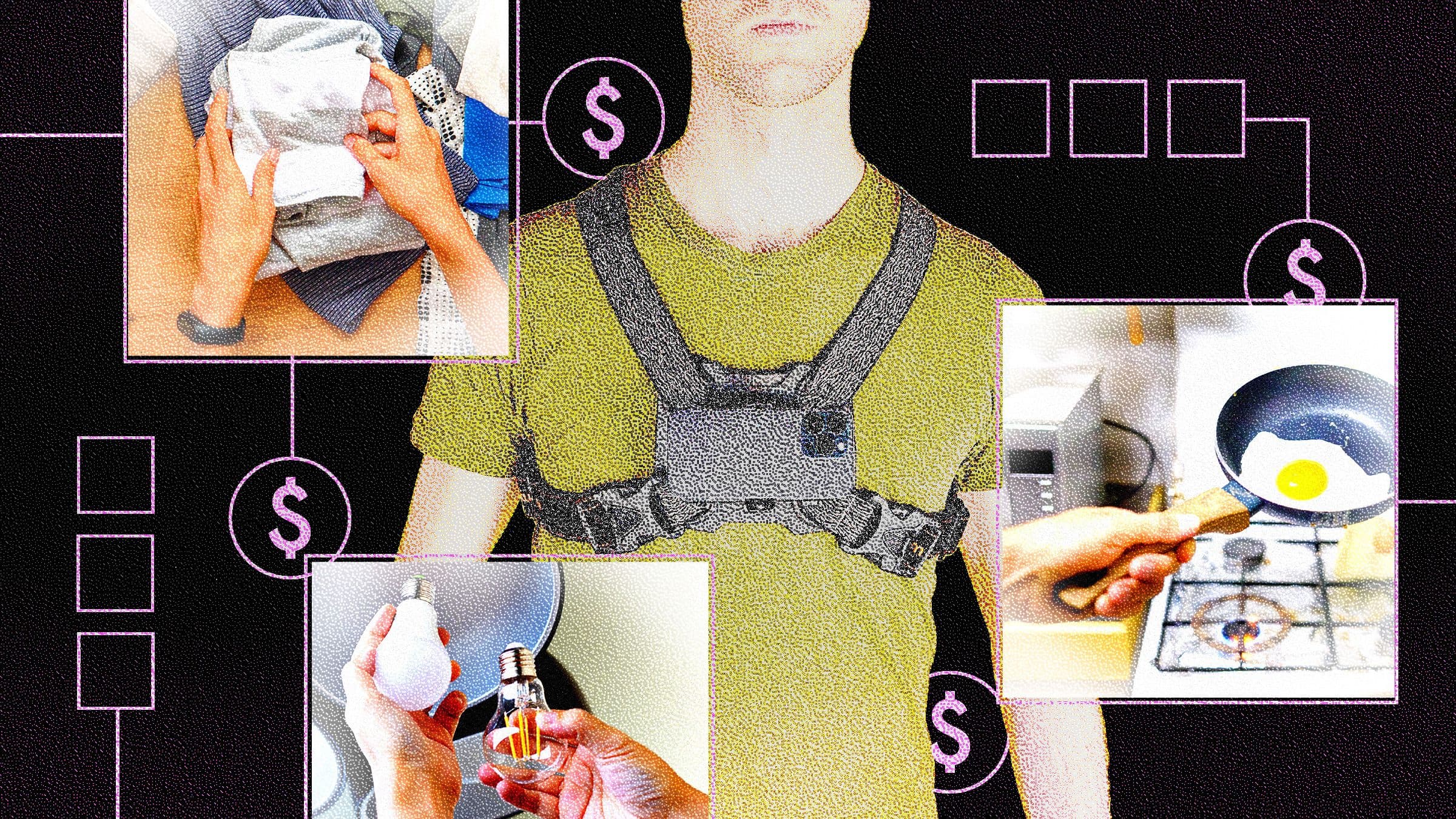
DoorDash's latest app innovation has gig workers recording daily tasks to train AI. This initiative raises questions about the future of gig work and AI development.
Imagine getting paid to scramble eggs, fold laundry, or take a stroll in the park. That's the proposition DoorDash's new Tasks app offers gig workers. But this isn't just about executing chores, it's about feeding the insatiable appetite of AI for data.
Training AI with Everyday Tasks
The premise is straightforward. DoorDash’s Tasks app pays gig workers to film themselves performing mundane activities. These recordings are then used to train AI systems. It's a clever pivot from the usual gig economy model. Instead of delivering food, workers are now delivering important data points for AI training.
What's the catch? If these tasks become the foundation for AI learning, it could redefine what it means to work in the gig economy. Gig workers aren't just executing tasks anymore, they're integral in shaping the AI models of tomorrow. But how sustainable is this model?
The Cost of Convenience
There's an ironic twist in this development. As AI systems become more sophisticated through these tasks, the need for human input might diminish. It's a classic case of technology feeding off human labor until it no longer needs it. The AI-AI Venn diagram is getting thicker, but where does that leave the worker?
This isn't a partnership announcement. It's a convergence. DoorDash isn't just redefining its business model. it's redefining the gig economy. By turning everyday tasks into data points for AI, DoorDash is effectively building the financial plumbing for machines. But at what cost to the gig workers who enable this transformation?
The Future of Gig Work
As AI models grow more autonomous, the future of gig work hangs in a delicate balance. Could this be the beginning of a broader trend where gig work becomes synonymous with data collection?
DoorDash's move is bold. It leverages the often-overlooked value of mundane activities to fuel AI systems. However, it raises a fundamental question: If agents have wallets, who holds the keys? In the race to develop smarter AI, are we inadvertently crafting a future where humans become redundant?
In the end, DoorDash's Tasks app might just be a glimpse into the gig economy's future, one where human effort is both invaluable and expendable. The compute layer needs a payment rail, sure. But this experiment reminds us that the human element is both a driving force and a point of contention in AI's relentless advance.
Get AI news in your inbox
Daily digest of what matters in AI.