Digital Twins vs. Simulations: Navigating Virtual Manufacturing
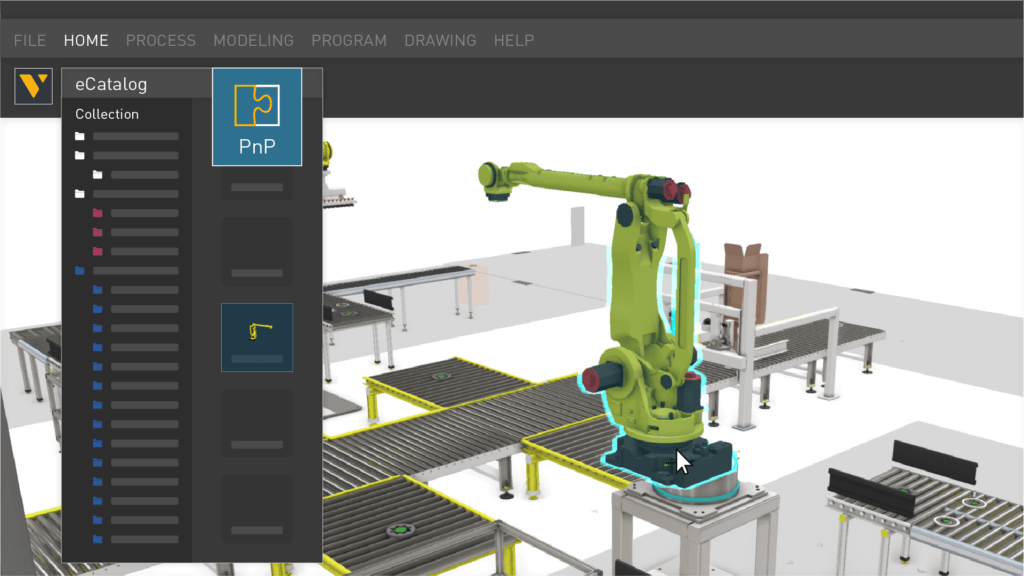
Digital twins and simulations transform manufacturing by offering unique insights and operational advantages. Here's why understanding their roles matters.
manufacturing, the lines between digital twins and simulations often blur, yet these tools serve distinct purposes. As factories embrace digital transformation, the need to differentiate between these approaches becomes critical. Both offer virtual representations of physical scenarios, but they differ in integration and real-time application.
Understanding the Distinctions
Simulations provide a controlled environment to model specific scenarios, often used during initial planning and design phases. Think of it like a sandbox where manufacturers can test different setups without real-world consequences. On the other hand, digital twins are dynamic, continuously syncing with real-world data. This live connection turns them into a mirror of the physical world, offering insights into current operations and potential optimizations.
So, why does this distinction matter? When a manufacturer aims to anticipate production challenges, simulation helps visualize potential roadblocks. But, once operations are live, a digital twin provides the feedback loop necessary for ongoing improvement and adaptation. It's this bi-directional data flow that sets digital twins apart.
When to Use What
Simulations shine before a single machine is purchased, especially when planning new plant layouts or assessing automation strategies. They allow teams to experiment, identify inefficiencies, and optimize designs without risk. This stage is where the groundwork is laid.
Once operations are underway, digital twins steal the spotlight. They offer real-time performance insights and support adaptive decision-making. Imagine a conveyor system that continuously adjusts based on live data, optimizing flow and reducing downtime. That's the power of digital twins in action.
The Bigger Picture
Ultimately, both tools empower manufacturers to reduce uncertainty and drive smarter decisions. Simulations build the foundation, ensuring that digital twins aren't just replicas of chaos but structured models grounded in thoughtful planning.
In a world where manufacturing agility is critical, these technologies aren't just luxuries, they're necessities. Without a clear understanding of each tool's strengths, companies risk missing out on the transformative potential they offer. So the real question is, are manufacturers ready to embrace both ends of this digital spectrum and move towards a future of continuous improvement?
Get AI news in your inbox
Daily digest of what matters in AI.