Democrats Seek Identity Beyond Trump
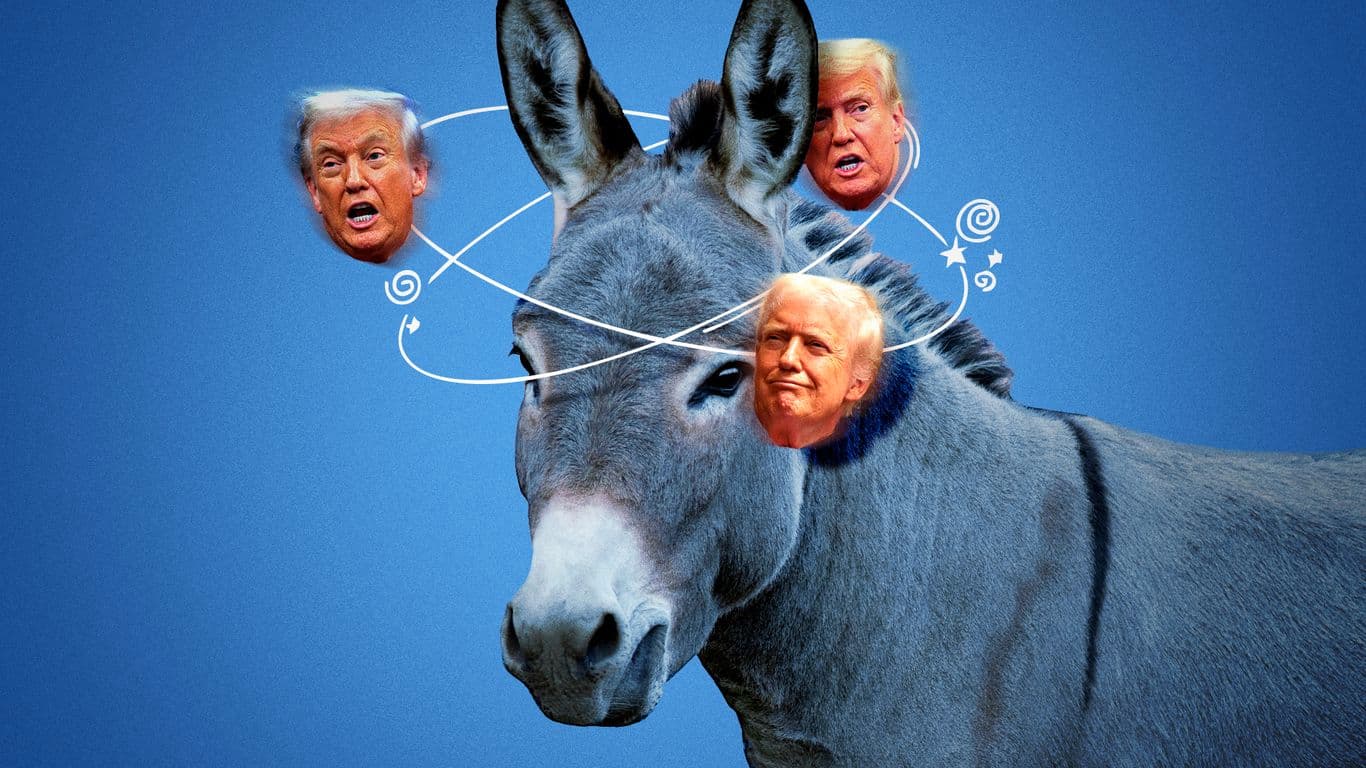
As Democrats look to the future, they grapple with defining their identity in a post-Trump era. Without the former president as a unifying opponent, the party debates its vision and strategy for 2028.
In the shadow of Donald Trump's political presence diminishing, Democrats face a important identity dilemma. The reliance on anti-Trump sentiment is no longer a viable long-term strategy, and the party must forge a clear, compelling agenda as it looks toward the 2028 presidential election.
The Dependency on Anti-Trump Strategy
Historically, Democrats have capitalized on dissatisfaction with Trump, expecting to gain congressional seats in the upcoming midterms. However, relying solely on opposition to Trump is a short-sighted approach, cautions Jim Messina, Barack Obama's 2012 campaign manager. He insists that winning the presidency requires more than just being the alternative to Trump.
With Trump off the ballot, the urgency for a concrete vision becomes apparent. While Democrats critique Trump's policies on immigration and foreign affairs, they lack a unified stance on their own prospective governance, leading to concerns about their electoral readiness post-Trump.
Economic Focus and Internal Divisions
Messina advocates for a focus on economic issues, yet divisions within the party complicate this goal. The lack of consensus is stark on topics like healthcare reform and climate change. Left-wing factions push for Medicare for All, while moderates propose more incremental changes. The climate agenda remains unclear, especially after voters didn't respond enthusiastically to Biden's green initiatives.
there's also a notable divide regarding the party's stance on Israel, with left-wing members questioning U.S. support following conflicts in Gaza, diverging from centrist views. Even on basic economic issues like affordability, the party is split, showcasing varying visions from free public services to tax relief.
A Vision for the Future
Despite these internal debates, a recurring question emerges: What will the Democratic Party stand for without Trump as a foil? David Plouffe, another former Obama strategist, emphasizes that simply benefiting from Trump's unpopularity isn't enough. The party must prepare to win elections in traditionally red states under challenging conditions, suggesting that the current political strategy may not suffice.
As Democrats deliberate on their future direction, potential presidential candidates are beginning to outline their visions. Proposals include tax cuts, tackling Big Tech, and educational reforms, all efforts to shape a cohesive post-Trump identity.
Ultimately, the Democratic Party's challenge isn't just to oppose but to define what they truly advocate. As the 2028 election looms, the question remains whether they can rally around a coherent vision that resonates with a diverse electorate. Will they rise to the occasion, or will internal fractures hinder their path forward?
Get AI news in your inbox
Daily digest of what matters in AI.