DeepMind's Demis Hassabis Predicts an AGI Revolution in Five Years
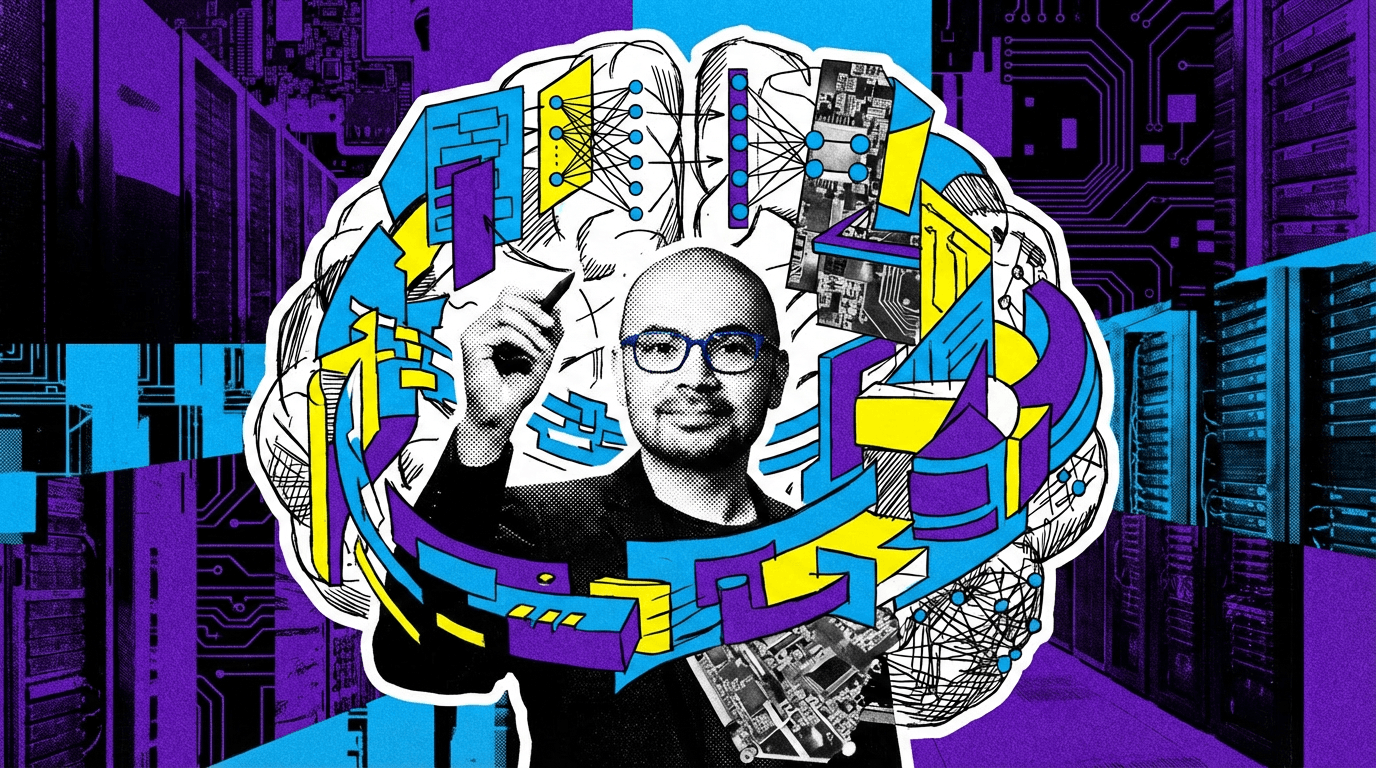
DeepMind CEO Demis Hassabis anticipates the arrival of Artificial General Intelligence (AGI) within five years, predicting a transformative impact akin to multiple industrial revolutions. Yet, he cautions against current AI hype while emphasizing its underestimated future potential.
Demis Hassabis, the CEO of DeepMind, has stirred the waters in the AI community with his prediction: Artificial General Intelligence (AGI) might become a reality within just five years. He didn't stop there. Hassabis went on to liken the potential impact of AGI to ten times that of the industrial revolution, but compressed into a mere decade. Such statements are bound to raise eyebrows and spark debate, given the transformative power both AGI and the industrial revolution hold.
The AGI Timeline
Hassabis's five-year forecast is ambitious, to say the least. The timeline is shorter than most in the field anticipate. Japanese manufacturers, who are deeply invested in automation, will watch closely, potentially adjusting their production strategies to stay ahead in this swiftly evolving landscape. The demo impressed. The deployment timeline is another story though. One must ask, is the industry truly ready for such an accelerated pace?
AGI, unlike its narrow AI counterparts, aims for a human-like understanding and problem-solving ability. It's a tantalizing prospect, but the gap between lab and production line is measured in years. While researchers are making strides, the full realization of AGI's potential might require more than just technological advancements.
The Hype and the Reality
Hassabis warns that current hype levels around AI are perhaps overblown. Many industry observers shout from the rooftops about AI's imminent takeover, but the reality on the factory floor often tells a different story. Where precision matters more than spectacle, AI's real-world applications still face numerous challenges, from ethics to integration issues.
Yet, Hassabis argues that looking a decade down the line, AI's potential is vastly underestimated. If his vision holds true, industries could see unprecedented changes in throughput and cycle times. But without careful management, there's a risk of overlooking the societal implications, such as employment shifts and ethical considerations.
What's Next for Industries?
The question remains, how should industries prepare for this potential AGI revolution? Companies might need to rethink their existing models and consider the integration of AGI into their processes. On the factory floor, the focus will likely shift towards enhancing the collaborative dynamics between human workers and their intelligent counterparts, ensuring effortless operations that are both efficient and ethical.
In the end, Hassabis's vision paints a future that's both exciting and daunting. The prospect of AGI revolutionizing industries as we know them is thrilling. But precision planning and cautious optimism will be important if businesses are to successfully navigate these uncharted waters.
Get AI news in your inbox
Daily digest of what matters in AI.